
Indoor Cat Photography Project

Your challenge is to take an indoor cat photograph you’ll be proud to show people.

It’s a simple weekend photography project for cat lovers who want more than another blurry phone snap of the cat on the sofa.

You already have a cute cat that is probably very photogenic.

The problem is usually the light. Or the clutter. Or the focus missing the eyes. Or, in a lot of cases, the fact that your cat has literally zero interest in helping you get a good shot or become a better photographer.

That’s why we put together the Indoor Cat Photography Project.

Indoor Cat Photography Project
Suitable for Phone Cameras will work with any camera
You don’t need a flash You don’t need to go out and buy expensive new gear
We won’t pretend your cat will cooperate For 40 minutes at a time
It’s just a weekend project You can do it in a few hours
Indoor cat photograph
It’s a step-by-step guide designed by us here at Light Stalking. A project designed to help you create a warm, character-filled indoor portrait of your cat at home, using only what you have available to you right now.
What actually is the project?

Most people photograph cats the same way.

They see their cat doing something cute and they grab the camera.

They quickly shoot a few shots before the moment disappears, and they end up with a photo that is out of focus or full of clutter.

  • Almost sharp.
  • Almost in focus.
  • Almost with good lighting.
  • Almost worth printing.

This project gets you to the next step. The final shot that is actually worth keeping and printing.

What actually is the project?

Instead of chasing the cat around the house getting random shots with random backgrounds and hoping for a lucky accident, we’ll give you the setup, settings, and tips that will get you to the shot you actually want.

  • We’ll talk about using soft window light.
  • We’ll talk about distractions in the composition.
  • We’ll talk about getting down to the cat’s level.
  • We’ll talk about choosing a cat’s natural spots.
  • And we’ll talk about how to focus on the right parts of the cat.

And then you’ll make an intentional, deliberate photograph instead of hoping.

What will you create?

Well, that is very much up to you, but by the end of this project we think your goal is simple.

You will create a natural indoor portrait of your cat that feels calm, expressive, personal, and worth showing. Something you’re actually proud of.

1

Not a chaotic snapshot.

2

Not a stiff pet portrait.

3

Not another photograph of a cute cat with your dirty washing in the background.

A real photograph.

One that you will want to frame and keep.

One where the eyes are sharp, the light is soft, the background is clean, and the image feels intentional.

Indoor cat photograph
A real photograph. One that you will want to frame and keep.
Why cat photographs are harder than they look

Indoor cat photography probably sounds pretty easy if you’ve never actually done it.

If you’ve done it, then you know it’s difficult, and you know it’s even more difficult to do it well.

  • Cats move when you need them to stay still.
  • Cats look elsewhere when you need them to look at you.
  • Cats will find comfort in the worst part of the house for a photograph.
  • They don’t care about your backgrounds.
  • And if you use a flash, you might even be lucky to escape without being scratched.

The big mistake that a lot of folks make is trying to force that whole scene.

Indoor cat photograph
This project takes the opposite approach. That’s where the intentional photograph happens.

This project takes the opposite approach.

  • We let your cat settle where it wants to.
  • You’ll use the places that your cat already likes.
  • You prepare the room before the moment happens.

Then when you take the shot at that definitive moment of a small gesture, eye contact, or a stretch, your entire image will already be set up for success.

That’s where the intentional photograph happens.

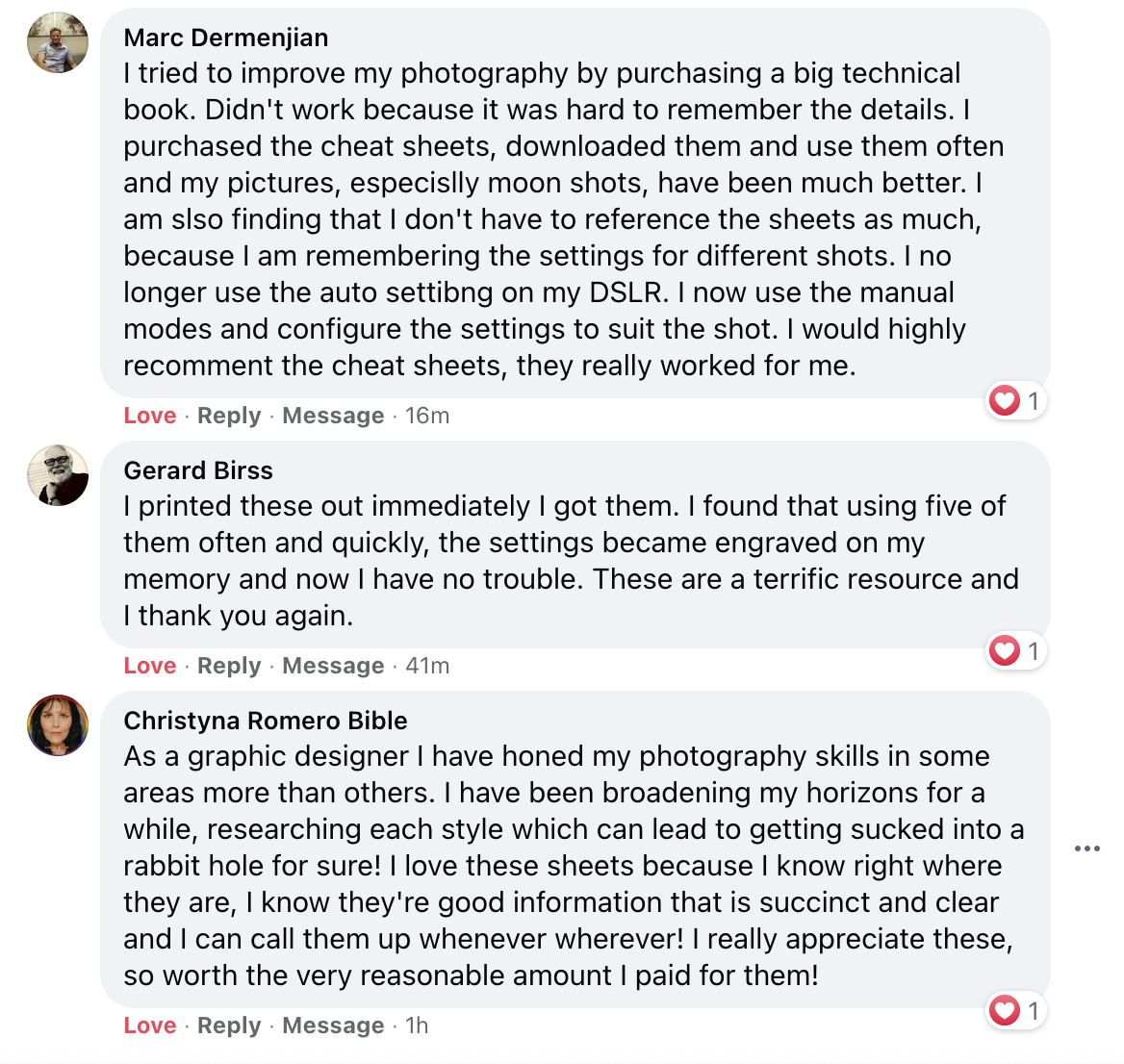
Feedback on Our Blueprints

Feedback on Our Blueprints

Here are some comments from photographers who have used Light Stalking blueprints and printable photography guides.

Feedback screenshot
Feedback screenshot
Feedback screenshot
Feedback screenshot
Feedback screenshot
Feedback screenshot
Feedback screenshot
Feedback screenshot
Feedback screenshot
Feedback screenshot
What is included in the Indoor Cat Photograph Project?

What is included in the Indoor Cat Photograph Project?

Indoor Cat Photography Project

1. The Indoor Cat Photograph Project

This is the main document that will guide you step-by-step through the project. Walk through the full process of creating an intentional indoor cat photograph, including choosing location, using the cat’s favourite spots, finding and shaping window light, removing distractions from the background, choosing the right camera settings, how to keep the eyes and whiskers sharp, waiting for interesting expression and body language, and editing the final exposure for colour, contrast, and simplicity.

Indoor photography blueprint

2. The Indoor Photography Blueprint

Indoor photography has its own problems with low light, mixed colour, cramped rooms, cluttered backgrounds, and slower shutter speeds. This blueprint helps you approach the room like a photographer instead of just pointing the camera at whatever happens to be there. You can use this blueprint to make better decisions about light, space, background, and exposure before you start shooting.

Sharp eyes blueprint

3. Sharp Eyes Blueprint

In a cat portrait, it is the eyes that are going to do most of the work. If you miss focus with the eyes, or accidentally focus on another part of the scene, then the whole image will feel soft. This blueprint helps you understand how to keep the eyes sharp, how aperture affects focus, and why catchlights can make an indoor portrait feel alive. You can use this before you shoot so you know exactly what needs to stay sharp.

Capturing soft light blueprint

4. Capturing Soft Light Blueprint

Soft light is one of the secret weapons of indoor cat photographs. It flatters, keeps shadows gentle, and helps the photograph feel calm instead of harsh. This blueprint shows you how to look for soft light, how to use window light, how to diffuse, direct, and position your subject so that the light gives shape and depth. This is especially useful if your cat likes sitting near windows, doors, beds, chairs, shelves, or their favourite patch of warm light.

Depth of field blueprint

5. Depth Of Field Blueprint

While a messy background can ruin a cat photograph, understanding depth of field can save you from a lot of situations and help you control that. This blueprint shows you how aperture, distance, focal length, and background separation affect how much of the scene is sharp. You can use it to blur distractions, isolate your cat, and make the portrait cleaner and crisper.

Ways to stabilise shots blueprint

6. Ways To Stabilise Shots Blueprint

Indoor light often means slower shutter speeds, and slower shutter speeds often result in blur, which is something you want to avoid in cat photography. This blueprint helps you avoid the classic indoor photography trap of blurred shots and good expressions ruined by camera shake. You will learn how to use shutter speed, body position, stabilisation, tripods, and basic camera settings to keep your images sharp.

Candid photography techniques blueprint

7. Candid Photography Techniques Blueprint

Cats do not pose, which is why candid photography skills matter. This blueprint helps you anticipate small moments, stay unobtrusive and unnoticed, work with available light, and capture natural behaviour from your cat without disturbing the overall scene. For cat photography, this is obviously huge. The best shots of cats often happen in half a second, and this will help you be ready for them.

Why this project works so well

Our weekend projects are not a giant course and that is the point.

You do not need a photography course and 37 lessons to take a good cat photograph inside. You already have all of the raw materials and equipment you will need, and this little piece of extra, but very targeted, information will get you to a point where you can get the shots you want.

This is the simple project that tells you what to do next.

This is the path from nice snapshot to print that you can do in a few hours.

Indoor cat photograph
This is the path from nice snapshot to print. You can do it in a few hours.
You can do this in a few hours

This is designed as a weekend project that can be done in one relaxed session or split across Saturday and Sunday.

A simple version might look like this.

20 minutes

Choose the room and the background, and clear up everything.

15 minutes

Find the best window light and figure out how you’re going to harness it in your shot.

10 minutes

Set up your camera and take a few test shots.

30 to 60 minutes

Photograph your cat in that spot naturally. We realise getting cooperation might take a shorter or longer period than this.

20 minutes

Go through your favourite images and isolate a handful of the best ones.

20 minutes

Do a bit of simple post-production and crop.

This isn’t complicated and it is the opposite of stressful.

A relaxed project that improves your photography and gets you a great image of your beloved pet.

A few hours and a clear plan.

Who is this for?

This is for you if:

  • You love photographing your cat but rarely get the result you imagine.
  • Your photos of your cat often look quite dark, blurry, or flat.
  • You want a simple project rather than a heavy technical course.
  • You want better portraits using natural indoor light for both pets and people.
  • You want practical camera settings and setup advice.
  • You want one great photograph you can feel proud of.

This is especially useful for amateur and intermediate photographers. You want to practise portrait skills in a fun, low-pressure way at home.

And honestly, if you live with a cat, you already have one of the most interesting subjects available.

Difficult.

Uncooperative.

Judgemental.

Emotionally unavailable.

But extremely interesting.

Indoor cat photograph
What do you need for this project? You actually won’t need too much at all.
What do you need for this project?

You actually won’t need too much at all.

You need:

  • A cat.
  • A camera. Yes, a phone camera will do.
  • A window with soft light.
  • Patience.
  • A few hours over a lazy weekend.

Nice to have:

  • A tripod.
  • A reflector. Honestly, a piece of white card is just fine.

The project is really built around what you are already likely to have at home.

The whole point is to not need to buy any new gear.

The point is to make a photograph stronger through skill and knowledge.

The result

When you finish, you should have more than a single file on your memory card.

You should have a photograph with:

  • Clear intention.
  • Beautiful soft light.
  • Sharper eyes.
  • Strong composition.
  • Interesting expression.
  • Less background clutter.
  • And more personality.

And most importantly, you will understand why all of this works together. It means that next time your cat naturally wanders into good light, and perhaps even the scene you have set up, you will know what to do.

Get the Indoor Cat Photography Project now

Get the Indoor Cat Photography Project now.

For $7 you get the full Indoor Cat Photograph Project plus the supporting Light Stalking blueprint to help you with the key skills behind the shot.

$7
  • You’ll have the project.
  • You’ll have the knowledge of the settings.
  • You’ll have the setup advice.
  • You’ll have the printable reference sheets.
  • You’ll have the printable project.
  • And you’ll have a clear weekend assignment.

In a few hours, you could have a better indoor cat photograph than anything sitting on your phone or a hard drive right now.

Get the Indoor Cat Photograph Project for $7
FAQ

FAQ

Do I need professional gear?

Absolutely not. This entire project is designed around the idea that you do not need any extra gear, and in fact you could even complete the project with a phone camera.

How long does it take?

This one might actually depend a bit more on your cat and its temperament. But we would suggest anywhere between one and three hours would be a reasonable amount of time to spend on the project.

What if my house is messy or dark?

We will give you the information you need to control exactly what and how your photograph turns out. This is exactly why the project exists. You’ll learn to simplify the scene, use the correct light, and remove distractions intentionally.

Is this a course?

No. This is a project that is very focused on one small outcome, with supporting information designed not to bury you in theory for you to learn as you shoot.

What happens after I finish?

When you grab the Indoor Cat Photograph Project, you’ll also be signed up as part of the Light Stalking community and we would love to see your shots on our forum!

One Weekend. One Cat. One Photograph Worth Keeping.

Your cat is already giving you moments.

This project helps you stop missing them.

Get the Indoor Cat Photograph Project for $7