
When it comes to gear for photography, the advise is always to shoot with what you have. You can always take better photos with any camera that you have and this article discusses 71 useful rules. Worth a read!
While this can be great for a start, if you wish to experiment and get creative with landscape shots, and elevate your landscape photography skills by shooting long exposures, looking to eliminate reflections in the frame, stabilising for the sharpest images at low iso, or want to take care of the huge dynamic range in the scene, etc., then you will need to invest in a few accessories.
In this article, we have put together some gear suggestions for better landscape photography.
A Good Camera To Deal With Dynamic Range + Hight ISO Performance
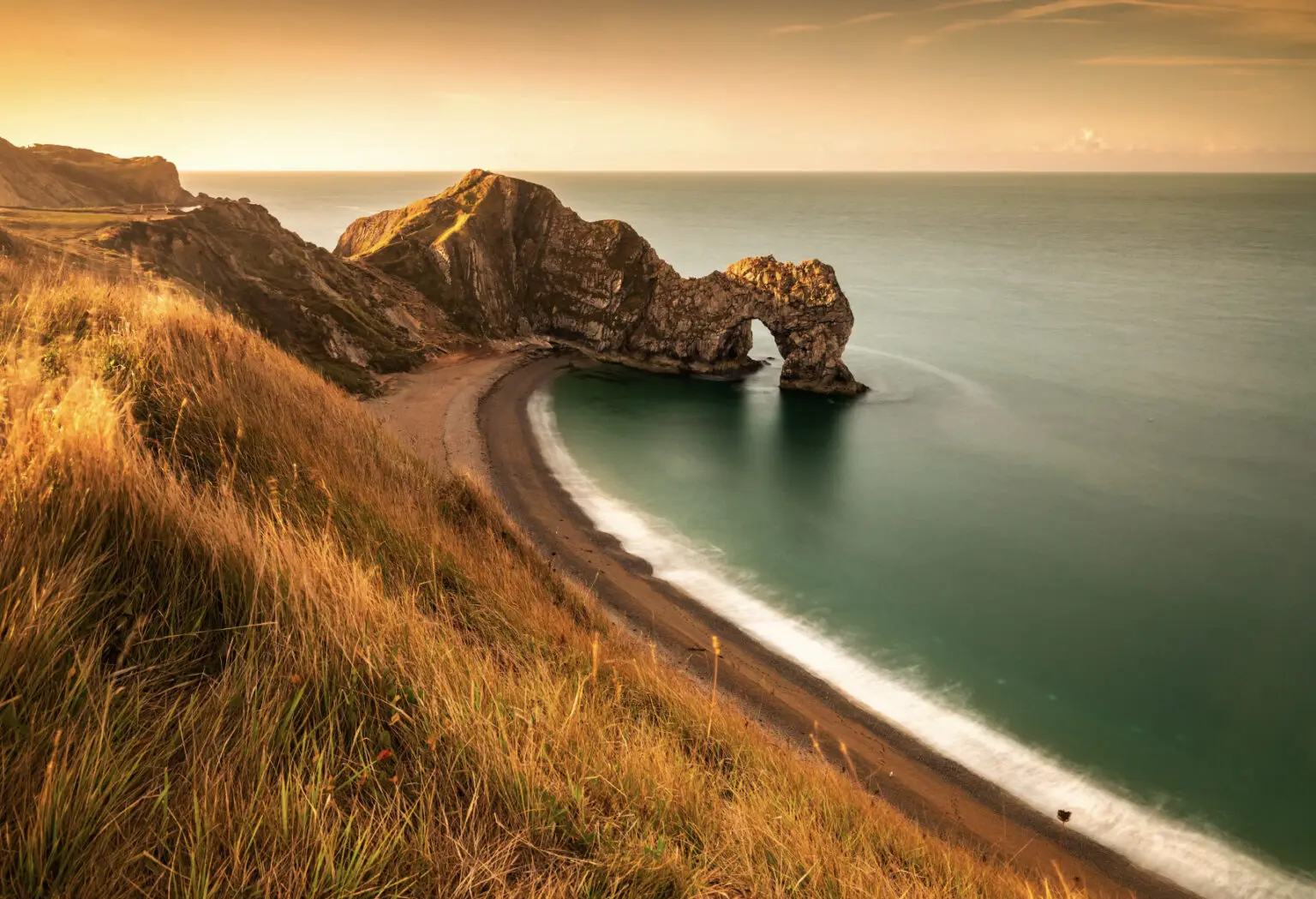
Landscape photography can be done with any camera you have in hand including your smartphone. There are times when you come across a scene that has a huge dynamic range, or you are in a low light situation, but want to capture that moment. Of course there are options to bracket shots, use graduated ND filter, use a tripod to lengthen exposure using low iso, etc., but in situations like these it will be great to have a camera that can deal with high dynamic range or high iso values, if you are a landscape photographer who frequently shoots landscapes. This article discusses cameras that are great for landscape photography.
Lenses For Landscape Photography – Wide, Moderate, Telephoto Lenses
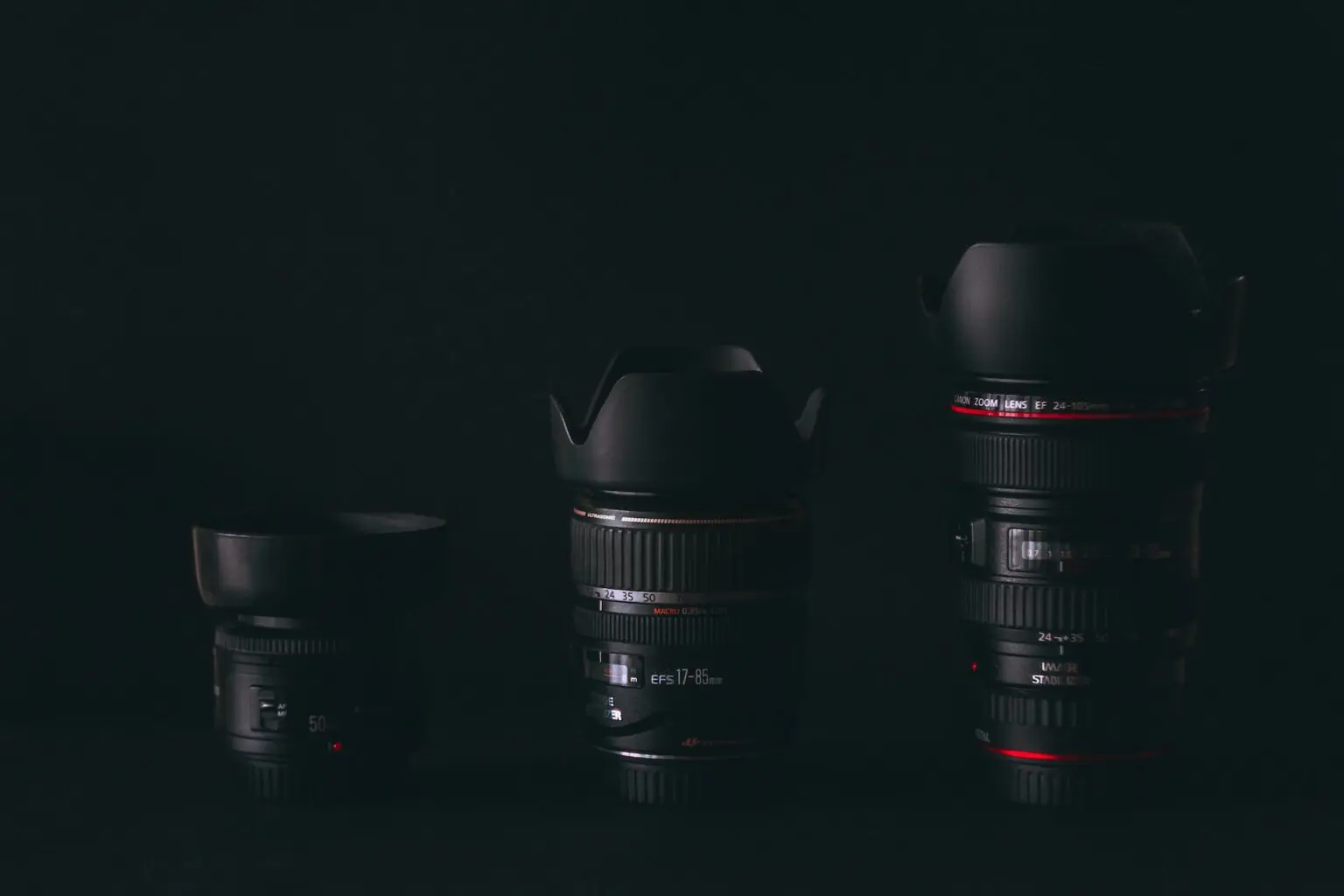
Landscapes are more often shot wide using a wide angle lens. This was quite common until a few years before when photographers thought that a landscape needed to be shot wide. When you observe a landscape, there are a lot more than what you see in a vast endless landscape. Slowing down to look at parts of a landscape by zooming in and capturing its beauty is also landscape photography and you will be amazed by the number of photographs you can walk home with from a single scene. Moderate and telephoto lenses help to achieve this and this article discusses lenses for landscape photography.
Note: Check out these articles for ideas on using various focal lengths for landscape photography – wide to telephoto.
Wide Angle Lenses for Landscape Photography – How to Create Big Images that Pop
Moderate Wides: Why You Should Give These Lenses A Go
Something Different: Using a Telephoto Lens for Landscape Photography
Zooming in for Creative Landscape Photography, with a Telephoto!
Stabilise Your Shots With A Tripod Or A Gorillapod
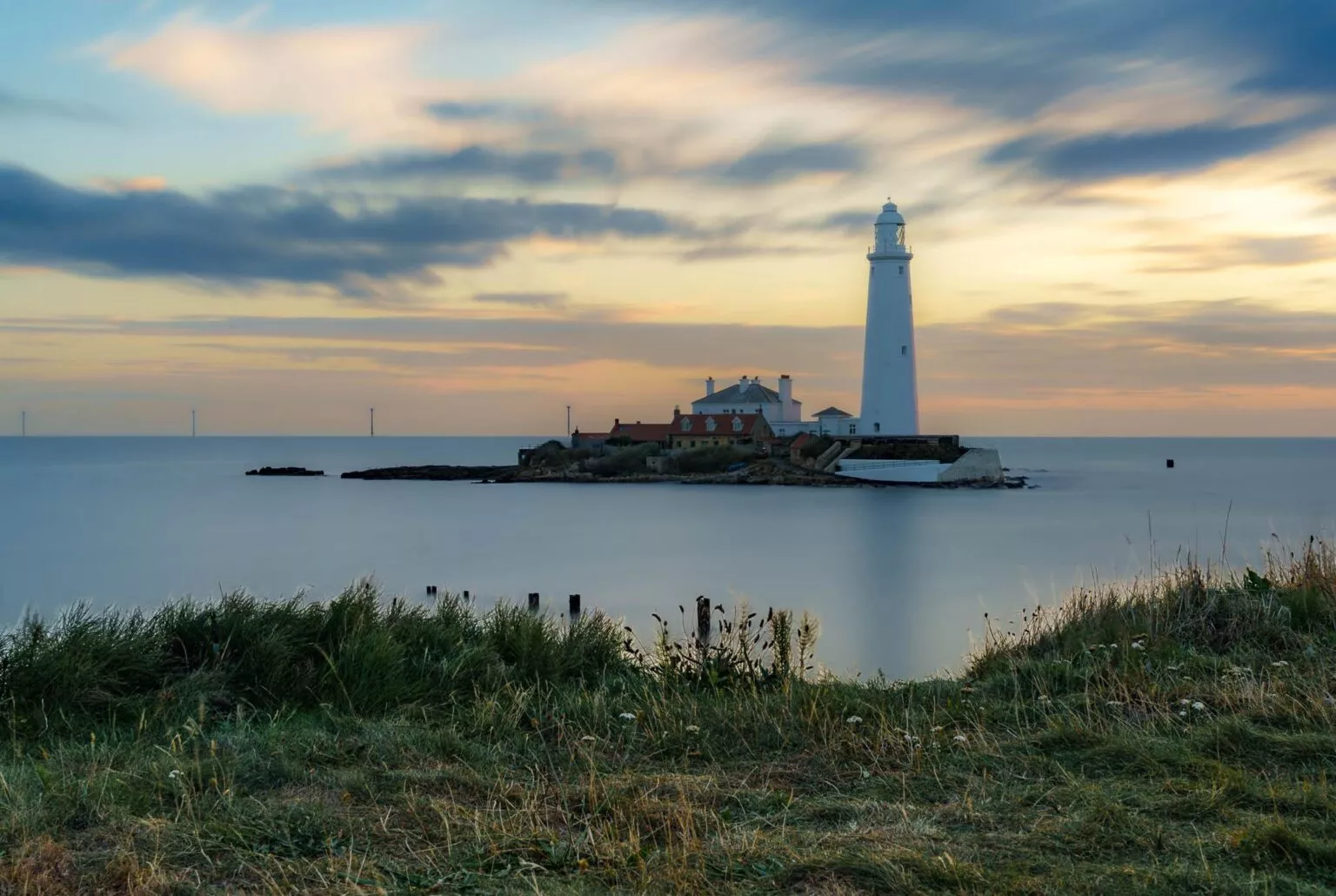
Most landscape photographers find it frustrating, carrying a tripod along with them. When you have to hike a long way to reach your location, it can be tiring and limiting, but investing in a compact, lightweight tripod can really help. Tripods are great accessories for landscape photography because they help you to slow down, creatively compose and stabilise your shots for sharp results. Moreover, if you are going down the long exposure route, a tripod is a must. There are also smaller platypods and gorillapods, that are very compact and lightweight, and can be used if your camera lens combination is not too heavy and will be supported by that particular accessory. Check out this article to know why tripods matter more than you think.
Note: Find Out How to Motivate Yourself to Carry Your Tripod Along More Often and an interesting read Are The Tripod’s Days Numbered?
How to Improve Your Photography with the Remote Shutter Release

A remote shutter release is a small accessory that can be used to remotely trigger your shutter button without having to touch the camera's shutter button. There are cable releases and remote releases – both are good in their own way and help with reducing blur due to camera shake. When capturing landscapes and long exposure landscapes, a remote or cable release will help you to capture the sharpest image possible and this article discusses how you can improve your landscape photography with the help of this little tool.
Also two important reads: Why You Need A Remote Shutter Release In Your Bag and Why You Should Know About Mirror Lock and Remote Controls
How Using Strong ND Filters Can Create Awesome Results

Once you are confident with capturing good landscape shots, you can move to an advanced level to capture long exposure landscapes where you will need to take care of correct exposure times, filters, tripods, etc. Long exposures can be done without filters if the light in the scene is naturally low, but most of the time, a neutral density (ND) filter will help you to get the job done easily. This article discusses how strong ND filters can help achieve awesome results.
Also check out these articles on ND filters:
How to Make Your Long Exposure Photography Rock By Using ND Filters
Polariser Vs ND Filter
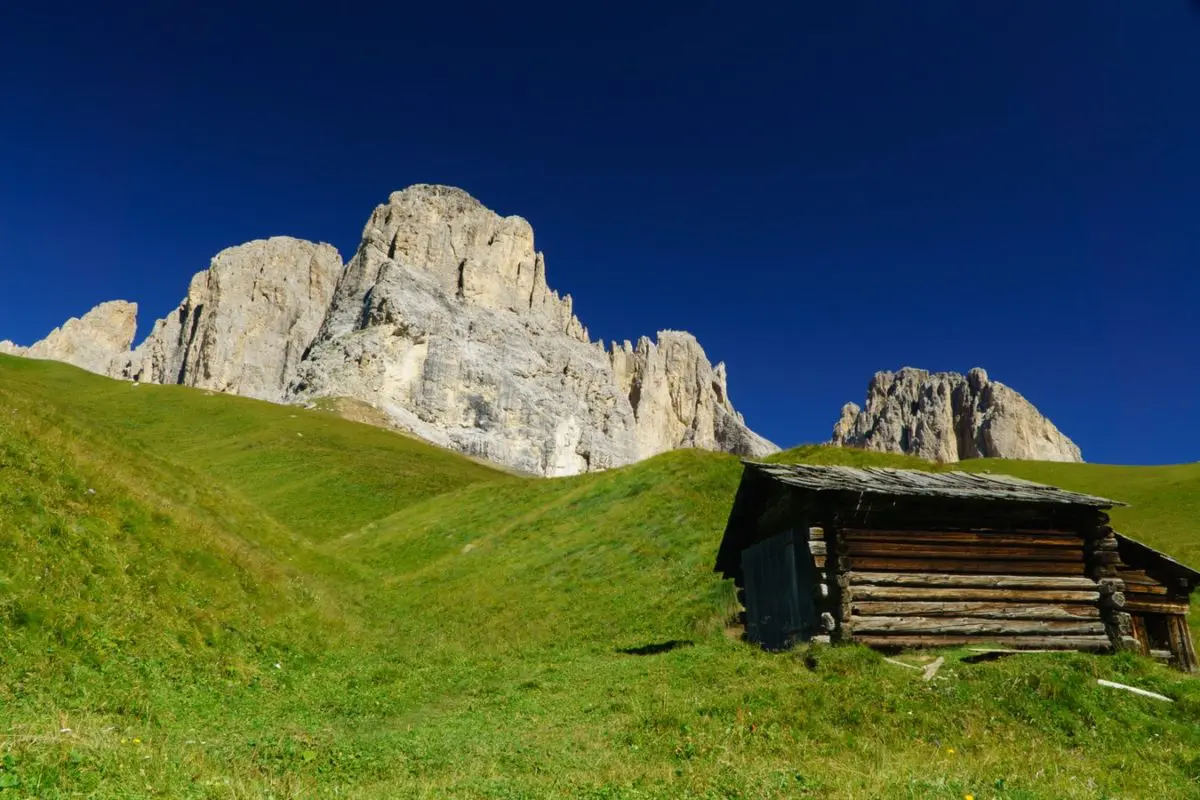
Many beginners in photography are confused by the terms neutral density and polarising filters. There is a huge difference between the two and both are useful accessories for landscape photography. The neutral density filter cuts down light allowing the photographer to lengthen exposure times, for example, long exposure photography. A polarising filter on the other hand, is used to reduce or eliminate unwanted glare, reflections and you need to shoot 90 degrees to the sun when you are working with one in order for it to be effective. Check out more details in this article.
7 Pieces of Photography Gear That Makes My Life Easier
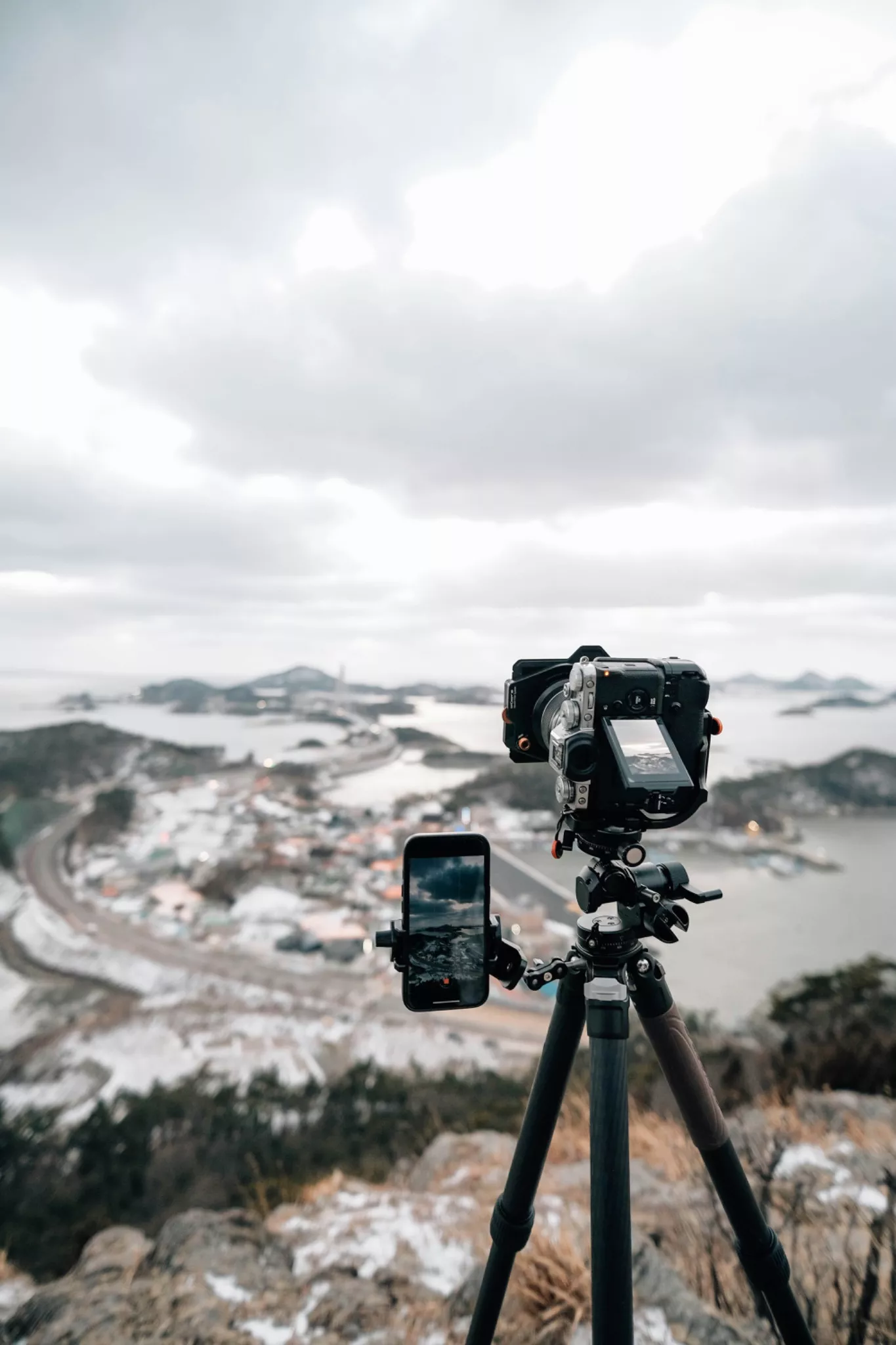
When it comes to photographing outside in the natural world, there are these small accessories, that are not talked about that much but will make our life easier on the field. These are all little investments that can help to approach a scene with little ease and also get creative when needed. Check out this article, that discusses a few pieces of photography gear that can make life easier for a photographer.
Apps To Plan Your Shoot – The Photographer's Ephemeris and PhotoPills

If you wish to plan your landscape shots to get the best out of the location that you are shooting in terms of light, weather, etc., it is good to check out “The Photographer's Ephemeris” and the “PhotoPills” app. The Photographer's Ephemeris will help you plan your shoot and visualise your shot based on light direction, shadows, optimal light, etc., whereas the PhotoPills app will also let you plan your shots for both day and night time photography, calculate exposures, depth of field, which also means the hyperfocal distance, planning timelapse photography, etc., which can be of great help for landscape photography.
Use This Quick Checklist Before Every Landscape Photo

Many a time, photographers who wish to capture a landscape just point at a scene and press the shutter. They sometimes even forget to check for correct exposures in hope that if they shoot raw, they can make any amount of adjustments when post processing. This will not work very well for a number of reasons and it is good practice to check a few important things before pressing the shutter. Check out these quick tips in the above article.
Further Reading
- Minimalist Landscape Photography: How to Say More With Less
- Learn These Simple Tips And Master The Art Of Landscape Photography
- 18 Gorgeous Landscape Photographs That Make Use Of Stunning Light And Composition
- The Best Settings for Landscape Photography are…
- Simple Landscape Photography Tips You Can Try Today


