
I have often said that there are six stages to a photographer’s life. The very first is wow, that moment when you realise that photography is for you, something that is going to consume you for many years to come.
The second stage is woe. That’s the defining moment when you realise that there is a lot more to this photography game than simply pressing a shutter button and showing family photos of your cat.
One of the biggest issues is that many reach woe, but a lot will not push past it into the third stage, study. Today, we are going to take a look at how to push past woe and inspire yourself to study.
Recognising Woe
The first and perhaps hardest stage of progressing is recognising that you are in the woe stage. Once you have done that, you can free your mind and start to push your creativity. Woe begins with the feeling that your photography is becoming a little mundane. You go out, you shoot, you come back with very similar images to last time. It doesn’t matter how stunning the location or attractive the model, the images look broadly similar to ones that you have taken before.
You are perhaps shooting in very similar light, with very similar focal lengths or maybe very similar compositions. In editing you are using a very similar style or preset to process your images. There is nothing wrong with this per se, but what you are not doing is pushing your photographic boundaries and at the early stage of your journey into photography, that can lead to a feeling that you lack the talent for image making. However, you are almost certainly wrong, if you can recognise that you have reached the end of the honeymoon stage, you are ready to up your creativity and push out of the woe stage.

Woe Is A Comfort Blanket
One of the factors that makes it hard to leave the cycle of the woe stage is its familiarity. We take comfort in the fact we are getting decent if not stunning images. We develop a confirmation bias because our friends and family tell us how wonderful our images are. On social media people are liking and commenting on our images, in short we feel we are doing enough.
However, that familiarity is the very thing that is holding us back. It’s a natural response causing us to avoid trying and learning new things. It is a comfort blanket.
But how to discard that comfort blanket? As with many things in life, it’s not to charge full on into another genre or style, nor is it to buy a plethora of new gear, it’s about taking small, simple steps at pushing your photographic comfort zone. Let’s take a look at some of the things that you can do.

Reigniting Your Photography Flame
These days we are extraordinarily lucky. Our first camera is likely to be many more times capable than a film camera from 30 years ago. It will likely have come with a decent zoom, giving us flexibility. It will have amazing autofocus and nail exposure virtually every time. In short it’s giving you unrestricted access to shoot whatever you want to shoot. That’s not necessarily a good thing. So the first thing you can do is lay down some limitations.
- By adding artificial constraints to our photography, we are forcing ourselves to push the boundaries. We could restrict ourselves to a single focal length or perhaps just 36 exposures. Perhaps go out to shoot only in black and white. Even with a familiar subject or location these simple constraints will force you to think, move and get creative.
- Another way to push on is to visit the same location multiple times at different times or day or year. It will teach you how light and mood can change dramatically and in turn give you very different looks to the same scene.
- Another creative way to move your photography on is to concentrate on details rather than the whole. In our early days of our photography, we have a tendency to try and encompass all and everything. The whole cathedral, the entire flock of birds, a full length model. By zooming in or physically moving in closer we can start to pick out the details of our subject. A stunning stained glass window, a bird that looks a little different, the piercing blue eyes of our model.
- Following on from isolating a subject, by using a combination of wide and close shots, you can add narratives to your photography. Telling a story with images is a great way to push your photography without having to leave your favourite genre.
- As mentioned, the third stage of a photographer’s life is study. There is little better that will push your photography on than studying a new technique then going out and trying it. Study doesn’t have to mean a head in a book, it can be an online course or a favourite YouTube channel. As mentioned, take one step at a time, one new composition, one new editing technique and take time to both analyse and appreciate the results.
- Embrace failure. The best photographers will have failed many many times. It can be very easy to fall back to woe when you fail at something new. However, rather than getting upset or annoyed, embrace it.. Analyse where you went wrong, isolate the issue and avoid it next time you shoot. Sometimes a little creative editing can even turn failures into something striking. Digital photography gives us an endless whiteboard with which to try, try and try again.

Avoid The Gas
One of the worst symptoms of the woe stage of photography and one that it is important to recognise is GAS or gear acquisition syndrome. It’s a very easy trap to fall into, particularly if you have the feeling your images are not as good as they should be.
However, buying gear is very much a short term fix. Sure for a few days or weeks the dopamine hit that you get from using your new camera or lens will make it seem like you are progressing, but fairly soon you will start to fall back to your old ways and familiar subjects.
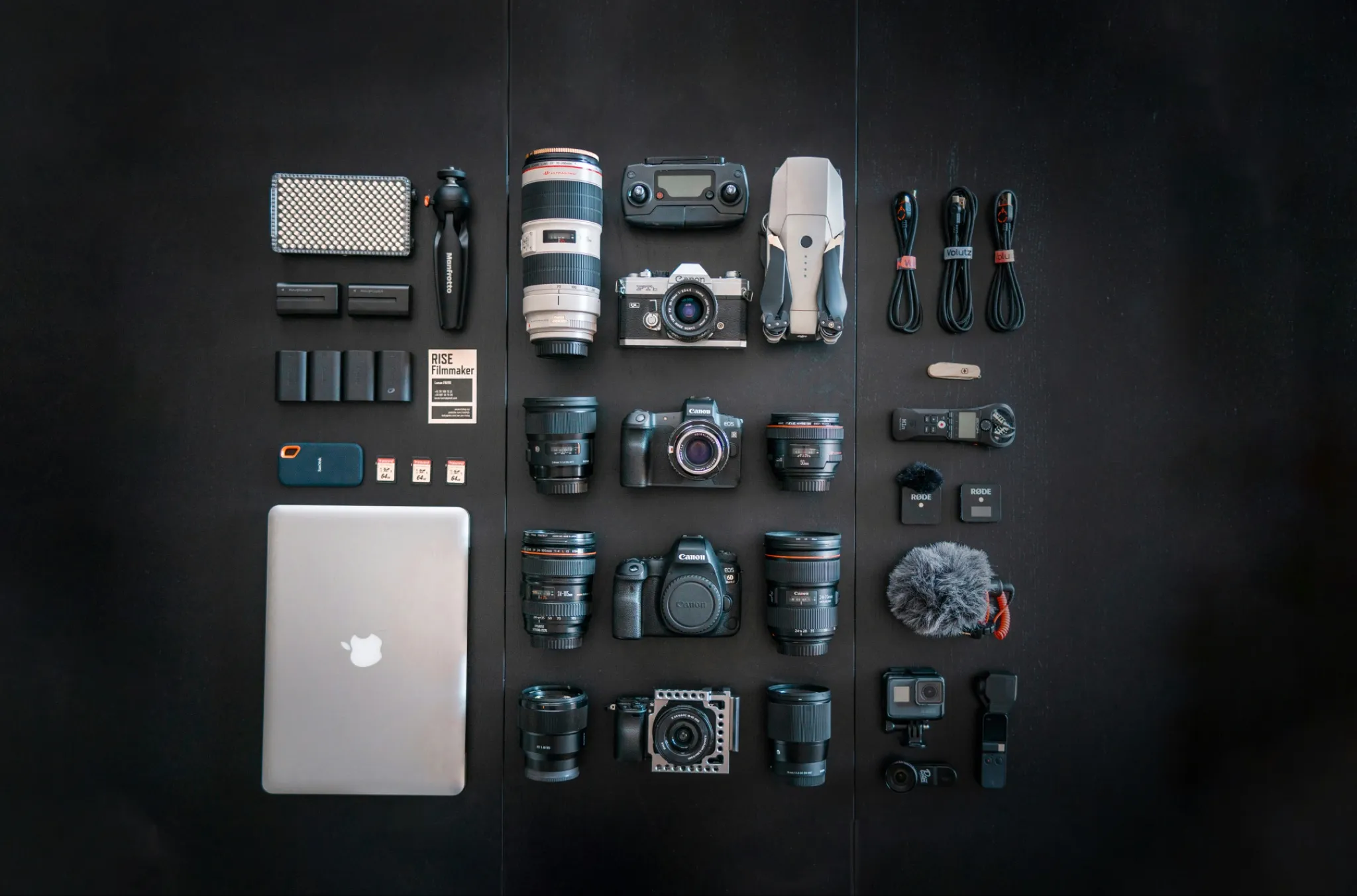
Instead of purchasing new gear use some of the techniques listed above to push past the GAS urges. In particular restricting your photography. Pushing yourself to use only 80mm instead of the full range of your zoom lens will make you appreciate the range of potential a single focal length can have. Restricting yourself to 36 images will teach you how to get the very best shot from the camera in your hand be it a high end mirrorless or a smartphone.
Woe is a hard stage to push past in your photography. It’s an easy point to give up completely but also its a point where you can falsely accept that you are not going to get any better. Recognising woe is the first stage in pushing past it. Using some of the techniques mentioned above, with a little time and dedication you will soon find yourself back in the wow stage of photography.


