
I have spoken at several camera clubs over the last couple of years, and there are some things that struck me. Perhaps the most notable are the demographic of the members and the environment in which the club is set.
The members are generally older and predominantly male. At the clubs I have spoken at, they have been very welcoming, open, knowledgeable, and appreciative of my talks. Put simply, there is a huge resource of photographic experience on tap for those that wish to use it.
However, there is very much a theme to the environment that these clubs meet in. Usually a draughty community or church hall, plastic seats, the whirl of a projector and harsh strip lighting. In short, they are not the greatest locations to enthuse about photography. This is often down to budget and the actual numbers of locations available to local camera clubs, but it does not present the most welcoming of environments to newcomers.

The Old School Stigma Within Camera Clubs
Perhaps one of the more pervasive aspects of camera club mentality is the preservation of traditional photography. The concept that there is a right way and wrong way to take photos and only the “right” way is acceptable.
Given how rapidly photography is changing and evolving, this can very much hold back younger photographers. Whilst more experienced and older photographers such as myself may see ourselves as the guardians of traditional photography, the simple fact is that we are not; we are guardians of one way of taking photos, a way that will always exist, but not the only way.
Social media, for good or bad, has created a new generation that wants fast results. Advancing technology has enabled us to get those fast results, often bypassing the traditional methods that older photographers evangelise. That can create friction between the younger generations and believers in the more traditional.

There is another element to this as well: gear. Many camera clubs are often quite gear focused, perhaps not in the talks given, but very much in the water cooler conversations before and after a talk. A lot of younger photographers are not gear focused. Often for the fact that they cannot afford the latest and greatest but also because the maximum aperture of a lens, or the continuous shooting speed of a camera, simply doesn’t interest them. They want to be judged on the photos they take, not the gear they shoot them on.
A Personal Experience
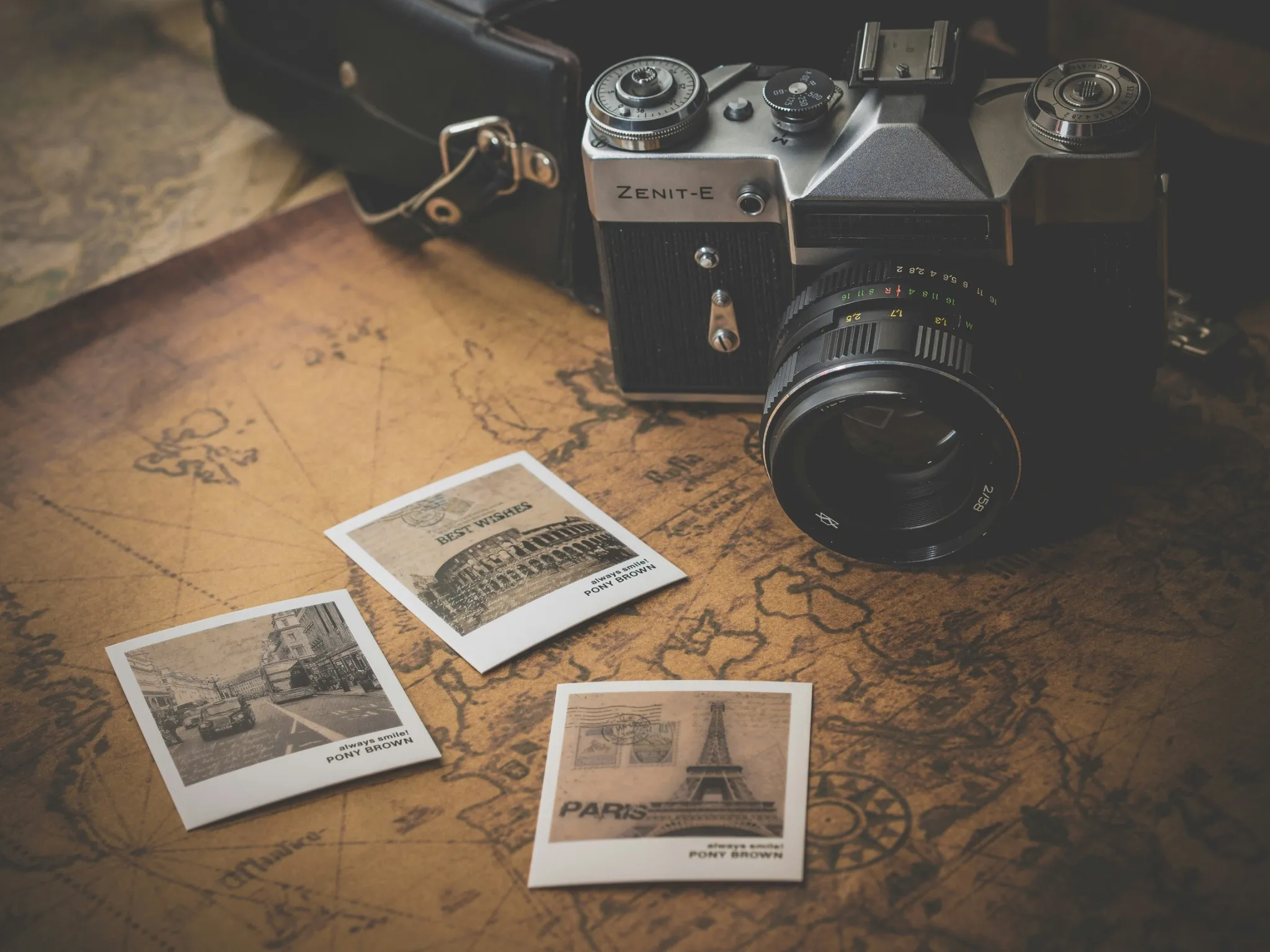
I started photography at the age of 16 with a £50 old Soviet camera. I had absolutely no idea what I was doing.
However, my uncle, an avid enthusiast, took the time to show me the ropes, including introducing me to my first camera club. It was 1983 and very little different from the clubs I have been to recently, the exception being that the projector is video, not slide.
As with all camera clubs, they held several competitions throughout the year, some bigger than others. By this time I was working for the photographic company Durst, so I could print my own colour images to my own style. One, a silhouette of two people walking up a beach at sunset, won the biggest competition of the year, going on to do a tour of affiliated camera clubs.

However, this was a problem for some of the more senior members of the club. They felt it wrong that a 16-year-old with a few months of experience and a cheap Soviet camera should be allowed to win a major competition. The upshot was that with the exception of my uncle and a few talented and generous photographers, I was effectively shunned. I left shortly after and never returned to a camera club until I was invited to speak.
The basis for this article comes from that experience, and from one of my recent talks where the chairman asked how camera clubs could encourage more youngsters and indeed more female members.
The Untapped Resource of Camera Clubs
As I said at the top, camera clubs are an extraordinary resource of experience. There will be members with an innate knowledge of studio lighting. Members who know how to capture rare birds in flight or how to pan just enough to capture a racing car at speed.
This depth of knowledge is virtually unrivalled.
Sure, there are articles and videos about every photographic subject under the sun, but they are not targeted directly to your needs. At a camera club, you can talk to someone directly, hold an in-depth conversation with them, and ask them questions about elements that you do not understand.
The older demographic of camera clubs understands the importance of the printed media or digital. They will explain why and what photos are better seen in print. They are there to teach you more traditional skills if you require, but should also be able to impart the creative aspects to you.
Whilst many clubs will have a few bad actors, it’s important that the voices of the willing and experienced are heard above those of the arrogant.

How To Save Camera Clubs
To my mind, there are many ways a camera club could engage a wider demographic. The first and foremost is to embrace social media. A lot of camera clubs have very basic, even dated websites that actually suggest the demographic of said club.
As creative people, often with our own websites, it’s not difficult to create a modern-looking, educational site that also gives information about club activities. That goes hand in hand with social media. Posting the occasional Tweet is not going to make you known in the community. Creating a Facebook page and posting to social media several times a week will raise your local profile. These posts should not just be about the dates of the next competition, for example, but genuinely useful photographic advice that people can embrace.

A lot of clubs revolve around monthly competition. Often these are won by a select few, with less experienced members never getting seen. Instead of perpetual competitions, you could swap some of them out for critique nights focusing on how to improve or even advice evenings.
Photography has moved on. Drone photography, smartphone photography, and high-quality video are part of the modern photographic world. These should be embraced. As should a greater emphasis on the creative rather than the technical.
A lot of camera clubs have model nights, where a studio is set up, and the members can shoot a model. Why, however, are these models nearly always young ladies? That, I am sure, would put off many female photographers who would love to do some people photography. How about a distinguished-looking gentleman or even a young family?
Whilst the midweek evening meet-up in the community hall is the bedrock of camera club society, in these days of flexible working hours, why not more informal coffee and camera meets, perhaps local photo walks or summer chats in a local park?
The simple fact is, that by embracing a wider demographic, you are also embracing new ideas. Clubs need to be open to these ideas rather than hunkering down and continuing the ways of old.
Camera clubs are an incredible resource, an unrivaled source of photographic knowledge, but they need to be more open to a rapidly changing photographic environment and demographic. Embracing younger photographers and giving them responsibilities, for example, of the social media accounts, will change the whole outlook and appearance of a club.
And that can only be a good thing




5 Comments
I’ve been a member of many camera clubs over the years. We have had the idea to entice young people, but it never works. I do believe that young people want a place to hook up with other alike people, so this strategy will never work. It is a club for retirees who have time and need a hobby, otherwise there are Meetups for other people. We enjoy our competitions as it gives us motivation to do better. Having three skill levels to compete helps, but as in any skill competition, there is an 80/20 rule that the top 20% will win most of the time. It’s just a normal curve. I find that the clubs that are all Zoom based all the time do the best to attract new people. People just don’t want to meet in person, except maybe end of year events. It’s not that easy to create a web site that supports competitions. It’s actually very difficult, so you will see only one or two companies that sell website packages, and mostly they look like 1998 vintage sites. There just isn’t the money to do more with 50 or so people. I have seen club remove competitions and go to critiques, but the critiques sound the same after awhile and it becomes very boring. So it is what it is.
Hey there. Came across your write-up and completely agree. Heck, I’m a hobbyist from another side of the world (Southeast Asia) but the same thing is happening in photo clubs here. I tried to lead a small club in our company but that also failed after some years, interest just seemed to die out and no one wanted to step up. It burned me out eventually.
What I’ve seen which is more effective is to have a Photo community instead where there isn’t too much focus on gear, competitions or old people — just hang out, talk about anything under the sun, connect with young and old people, and go on the occasional photo walk.
I believe that our camera club is doing many of the things this article recommends. We have a Facebook page, and a Heylo group that is becoming very popular. We promote drone and phone photography. We have embraced zoom for our critiques and our special interest groups. Both are well attended and growing.
We have a monthly Cameras and Coffee on a weekday afternoon. This is well attended and provides social interaction..
Our club also provides a monthly webinar. But many people was to charge us a fee and that drives down attendance.
Critiques are exactly the reason a number of our members join and participate. Peer critique in our special interest groups is very popular. BTW… meeting places such as “dusty churches, etc.” all dried up after covid. It’s all done on zoom and that works well.
All our critiques are based on fundamental photographic principles, whether they are done the “right” way. And whether people like it or not, good photographs benefit from those principles.
The comment about being “equipment centric” is amusing. I’ve never been to any meeting or field trip where there hasn’t been extensive conversation about equipment. Everyday on social media, someone is in the FB photo groups asking about equipment.
Having model night or special workshops are a good idea. There is a lot of planning involved in that but many in our club have not been especially receptive. We get the same handful of people who lead field trips. And the same groups of people joining those field trips.
I’m certainly not opposed to having “live” workshops. But those always come with a fee. We are currently sending out a survey to get feedback on interest level and what subject matter would appeal to people, and see if they are open to additional fees.
A year ago, I visited two different local high schools, one with an extraordianryl photography department to talk about our club. In one the students only attended because there was extra credit and food involved. The one with a dedicated photography program that rivals most colleges was polite. But the bottom line with both of these is not one person came up to me afterward to talk about it, or ask about it, or displayed any interest. These are high school kids who don’t wanna hang out with old people.
And yet with all these things… our numbers still decline. I don’t know the answer here.
I believe the biggest enemy is time starvation. If one is under 35 years old and building a career and raising kids (who are also crazy busy), how do they find the time to invest in a hobby that not only requires time but can be expensive. Even a phone camera is $1200.
I found this comment in the article interesting: “Perhaps one of the more pervasive aspects of camera club mentality is the preservation of traditional photography. The concept that there is a right way and wrong way to take photos and only the “right” way is acceptable.”
That argument has been going on since William Fox Talbot started getting attention. Susan Sontag’s “On Photography” is still a good place to explore what photography was and wasn’t over the years.
As for clubs…I’ve been shooting for over 50 years and never “got” camera/photography clubs. Almost without exception, they seem to direct much of their attention to contests, and with contests comes the collection of points by individual members. Why?
Having a photo contest, and establishing some kind of rank order, seems about as effective as organizing a foot race and not using a stopwatch. Since the awarding of prizes is already baked into the club’s process, the judge(s) will compare images against whoever showed up and will prepare that rank order, rather than judging based on standards.
The camera club I’d be interested in would be in someplace where we could sit around and talk, share pictures, think about projects, etc.
Mm, its a very difficult one to solve. A camera club can indeed fall into the ” trap” as i would call it of traditional competitions, tech and gear talk especially if the members are mostly male and less young. If that suits ” all the members ” i suppose that is fine. Im male and older but prefer the arty stuff which is less catered for.