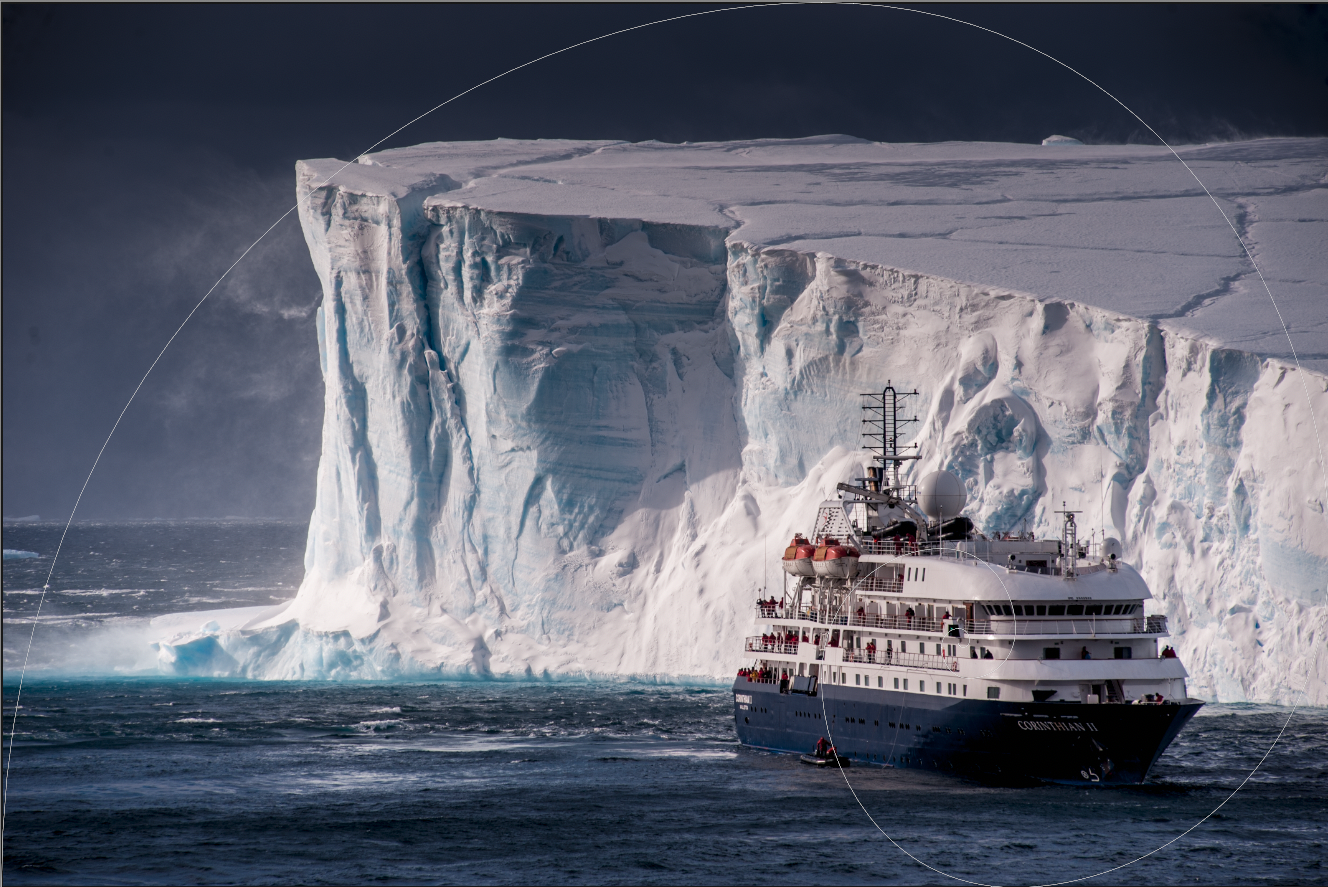
In life, art and many scenarios, less is more and it also applies to photography. Minimalism is an art and using minimal elements in a frame with simple compositions that use a lot of negative space can be quite striking and give a sense of calm and quiet in photography.

Simple compositions may not be easy because you need to choose a powerful subject in a background that complements the subject or the story, making sure that the focus is on the subject and the background does not cause distractions. The right use of colours, shapes, forms, etc., can help to capture an engaging minimal photo.
Minimalism can be applied to all genre in photography – from landscape and wildlife to portraits and street photography. If you are struggling with minimal compositions, the resources in this article will be of some help.
Less Is More, The Art Of Minimalism
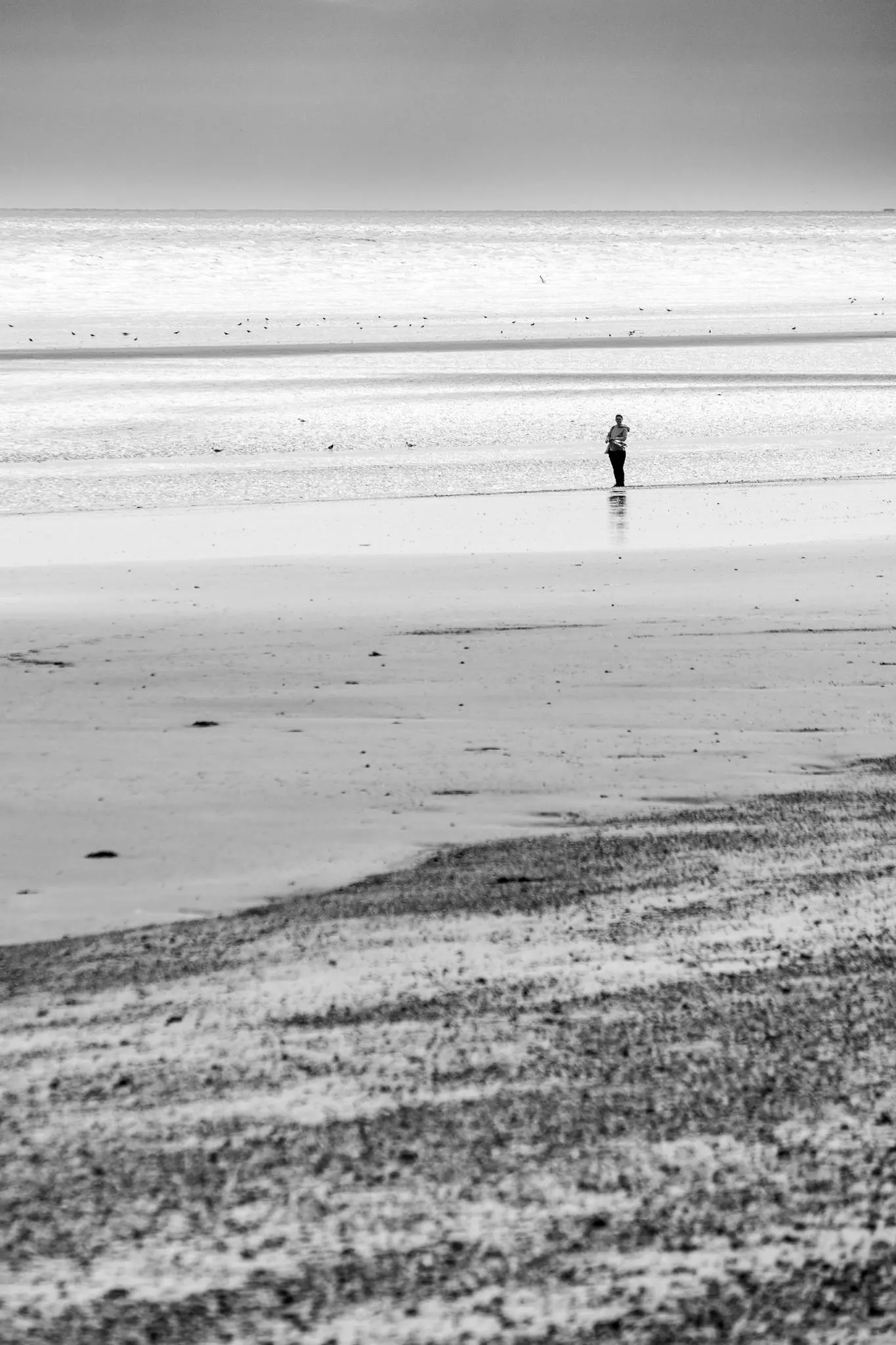
Minimalism is a way of composing simple photographs that are powerful and visually appealing. In order to capture minimal photos, you need to study the subject and the surroundings and make wise decisions on what to include or eliminate from the frame. You will also need to take into account the light, colours, weather etc., and this article will help you to get started with minimalism in photography.
3 Keys To Successful Minimalist Photography
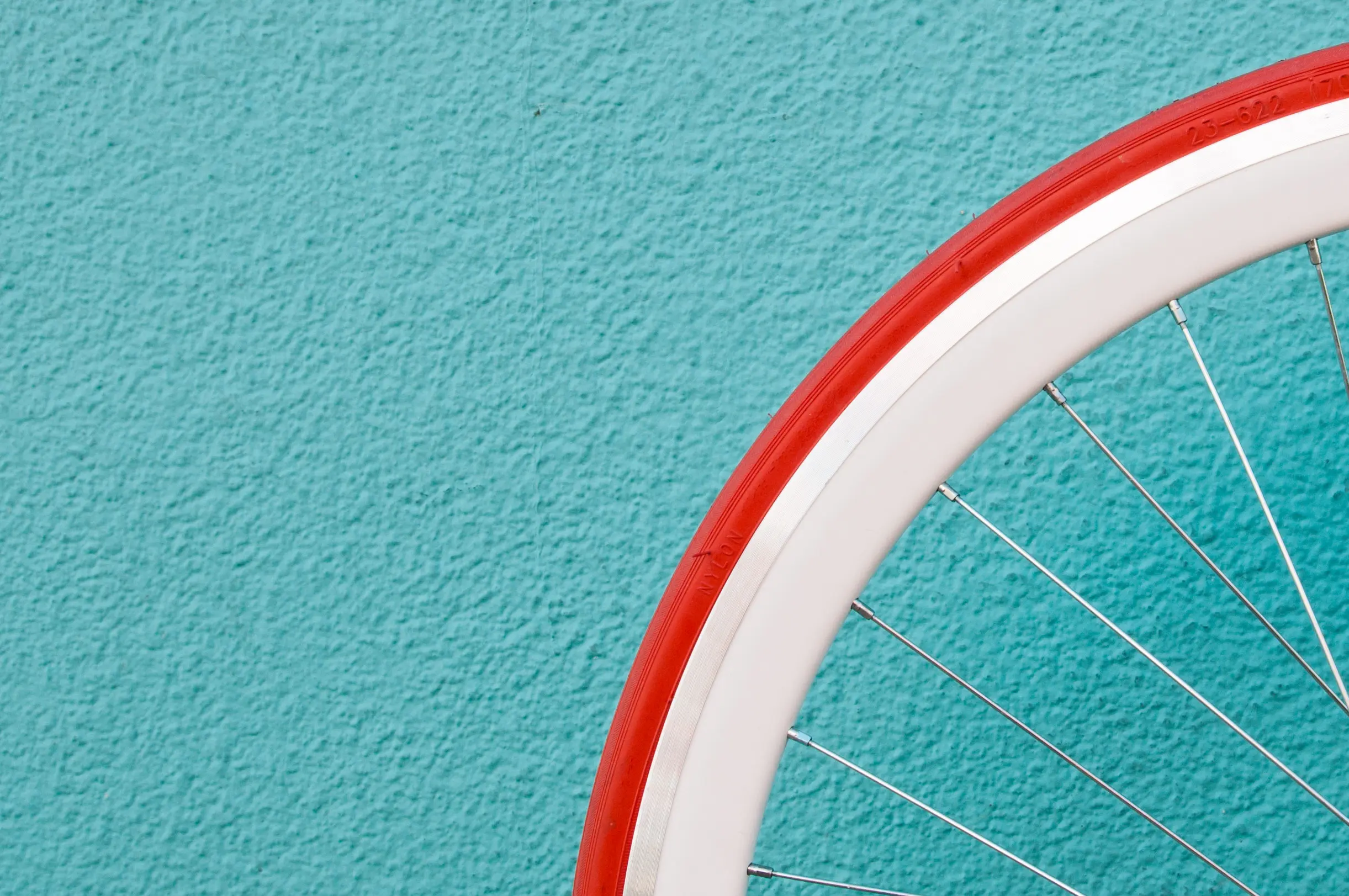
Creating a great photo with minimal elements is not so simple as it seems, and the photographer needs to take care of the light, colours used and compositions that will bring more emphasis and meaning to the photo. Leaning towards monochromatic palette, black and white or simple lines, shapes and forms can help with minimalism in photography. This article discusses some keys to successful minimalist photography.
7 Ways to Make Your Minimalist Photography More…..Minimal
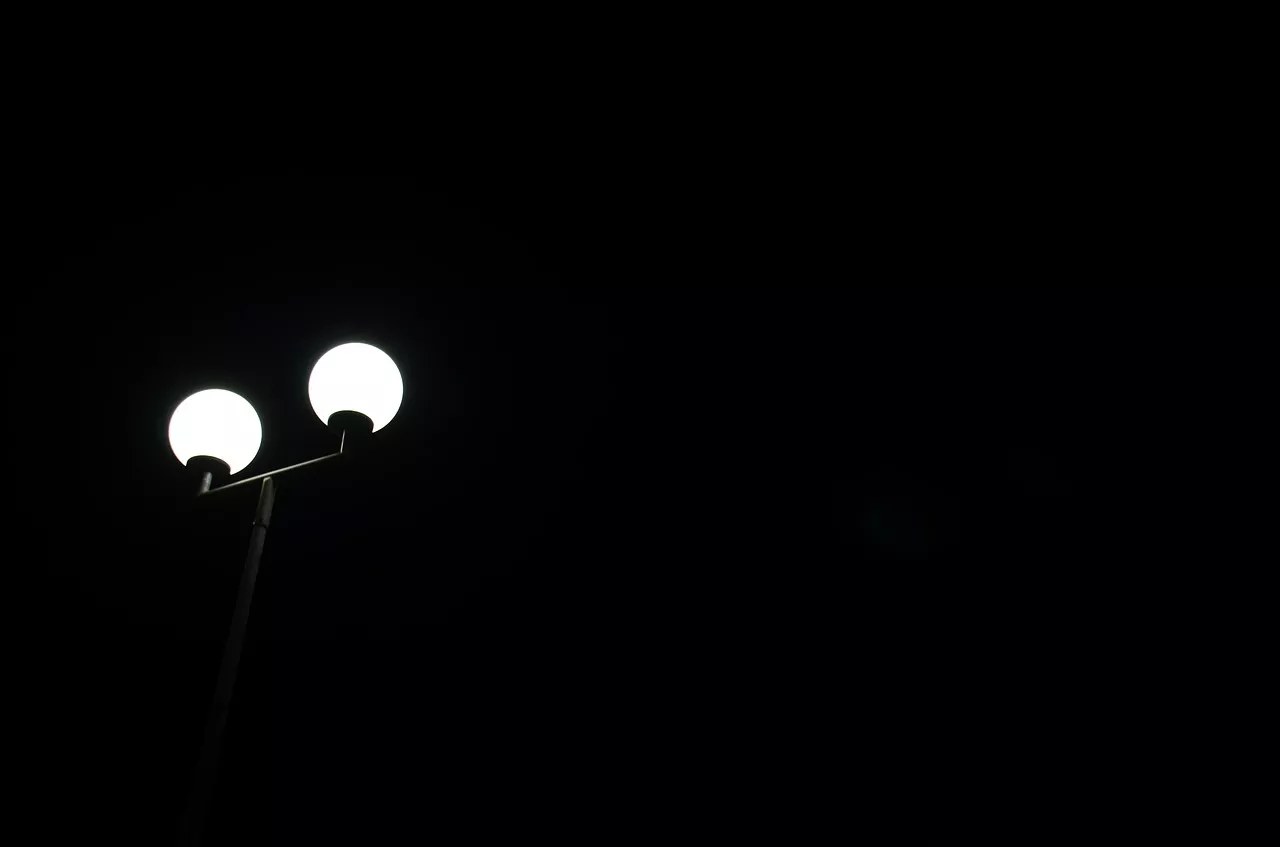
In photography, minimalism can provide some relief from the chaotic scenes that are seen/shared online mostly and can instantly portray a sense of calm or peacefulness in the image depending on the light and colours used. Minimalism does not overload the brain and it gives the subject space to breathe and allows the viewer to focus on one simple thing in the frame – the subject. This article discusses some ways to make your minimalist photograph more minimal.
Minimalism – The Art of Less
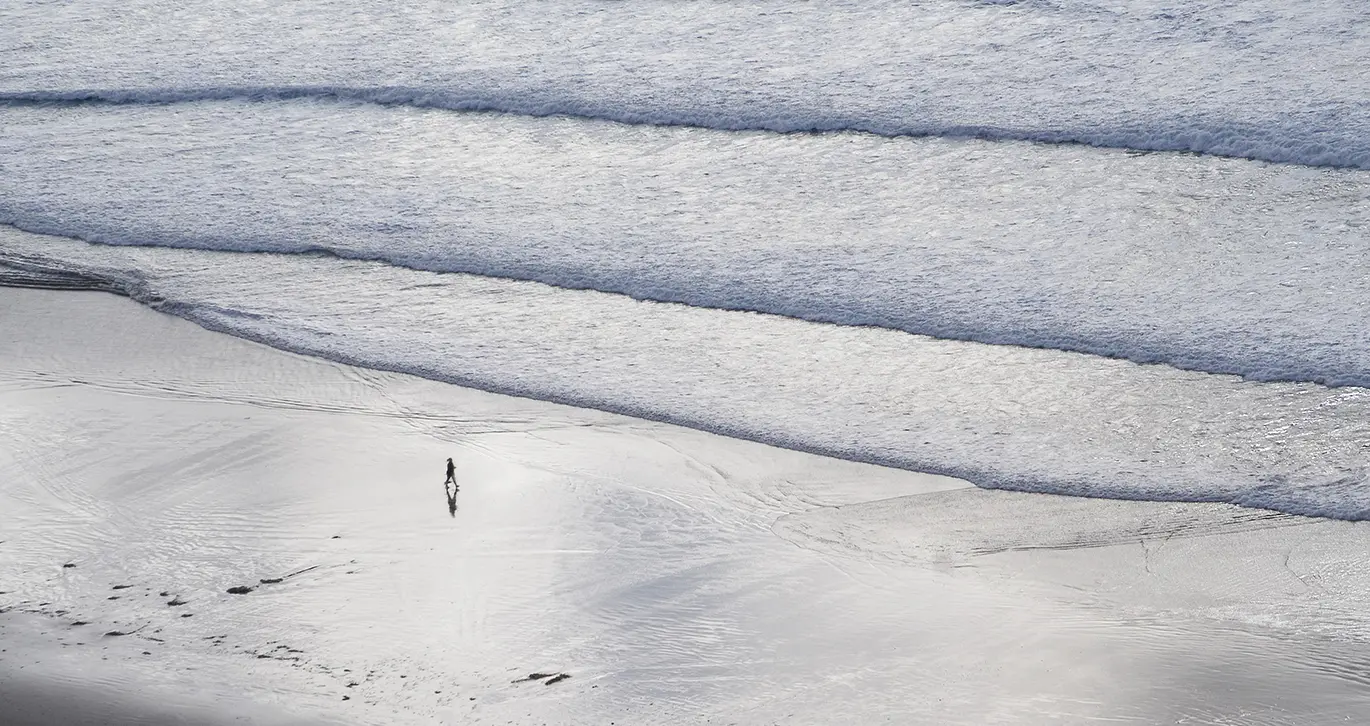
When composing minimal photos, light, shadows, textures, colours, shapes, space, etc., contribute to its effectiveness. These can help to isolate your subject in the frame or even work as a compositional tool to guide the viewer to the subject. Looking for vast landscapes, skies or walls, etc., and then adding a meaningful subject will help to get started with minimalist photography. This article will help you to understand the art of less to capture minimalist photographs.
How Negative Space Can Make for Amazing Photographs

When capturing minimal photographs, we are automatically introducing a lot of negative space in the frame allowing the subject to breathe while also allowing the viewer to focus on the subject, without sensory overload. Negative space is the space around a subject and it is usually very minimal with little or no distracting elements. It could be plain or textural and this article discusses how negative space can be used to capture impactful photos.
Using the Rule of Space in Your Composition
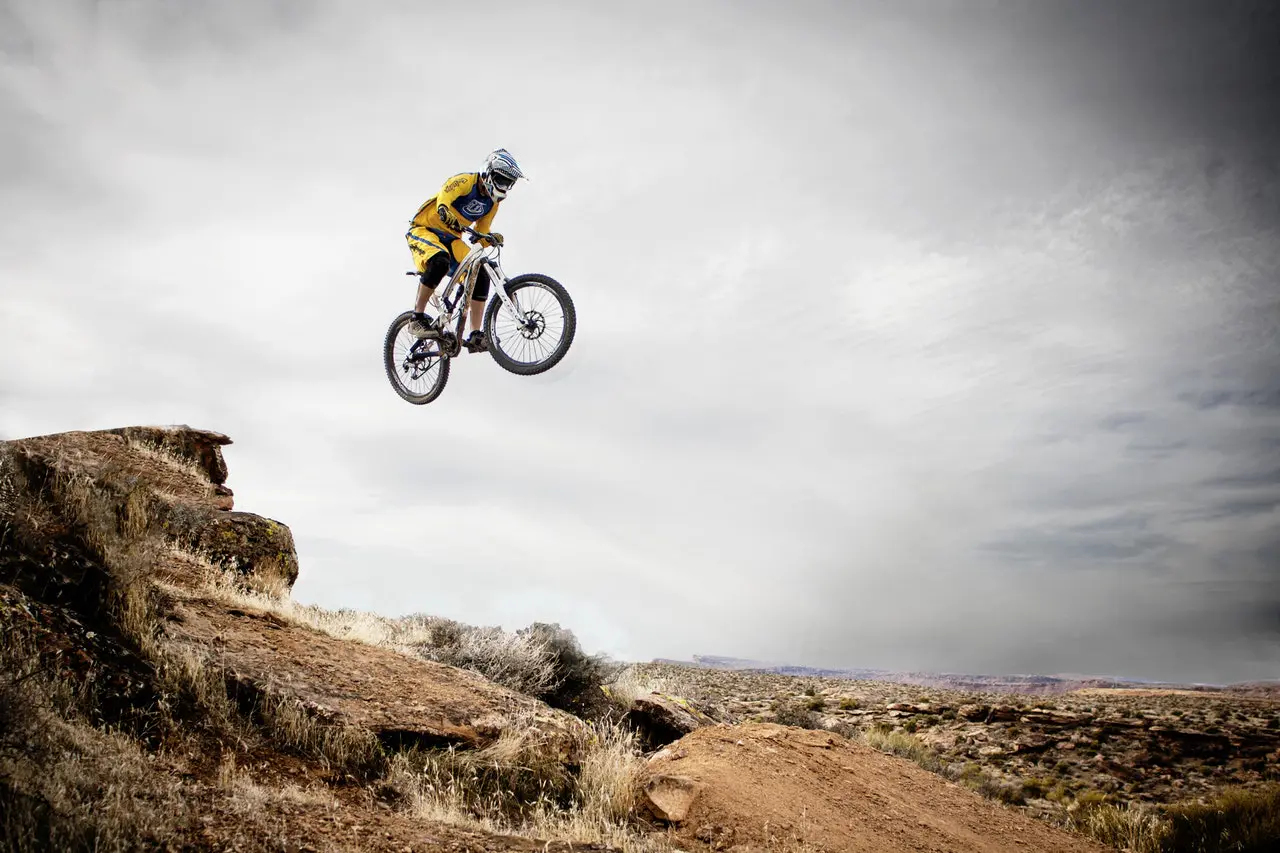
The rule of space in composition is similar to negative space, but not quite the same and it is a compositional guideline where the photographer composes an image in such a way that the subject has space to move or gaze into the frame in an image. It involves including negative space that is required for a more balanced composition and allows the subject, the space they need, to look or move into. This article discusses this simple composition that will allow you to capture better photos.
Minimalism in Action: How Placing Limits on Yourself Can Make You a Better Photographer

Lastly, we wanted to share this article, where the author talks about having minimal gear in order to become a better photographer. In this digital world, camera manufacturers keep producing new gear often with slight upgrades along with a multitude of lenses and other accessories. It is not necessary to upgrade your gear or own all these accessories in order to become a better photographer. This article discusses how minimising your gear can make you a better photographer.
Further Reading
- Reflecting on Black & White Minimalist Photography
- 8 Powerful Tutorials on How to Use Minimalism in Photography
- Minimalist Landscape Photography: How to Say More With Less
- 25 Stunning Examples Of Minimalist Landscape Photography
- 15 Outstanding Examples of Photographic Minimalism
- 10 Excellent Photos That Show You How Negative Space Can be Used Effectively for a Great Composition