
In photography, composition is one of the most important factors in order to capture powerful photos. It is arranging the elements in the frame in a way that it is visually appealing so that it results in an engaging image. Some of the most common compositional guidelines are the rule of thirds that everyone usually starts with, followed by the leading lines, framing, curves, and so on.
There are no specific rules to compose a photo and it is the photographer's decision on making an image look great according to their plans and visualisation of what they wish to capture. This article has a bunch of tutorials that will help you to move beyond the basic rule of thirds and compose images in various ways, including light and colours.
The Head Vs. The Heart: Why Composition Matters And By How Much

Many photographers are hooked on to the technical side of photography like nailing perfect exposure, sharp details, the best light, etc., but forget that composition also matters a lot when it comes to photography. Besides, there are no rules on how you should be arranging the elements in your frame. Composition largely depends on storytelling, so place the subject and elements to support the story. This article discusses why and how much composition matters.
3 Advanced Photographic Composition Techniques That You Probably Don’t Know

When you are not thinking creatively and just photographing based on the common compositional guidelines, you will be missing out on a lot of the effective shots that you will be able to photograph. There are many compositional guidelines that are highly effective and will help you to master compositional skills beyond the rule of thirds. This article discusses three advance compositional guidelines that most photographers ignore.
Six Advanced Compositional Techniques That Will Take Your Photography To The Next Level

Now if you have mastered some of the compositional techniques and wish to boost your skills to more advanced compositional guidelines, this article discusses six more advanced compositional guidelines. There may be situations when you wish to bring all the attention to your subject in a wider frame or are looking for neat lines, patterns, textures to create a visually appealing image. This article has some guidelines that will be of interest to you.
How To Use Geometry For Creative Composition In Photography
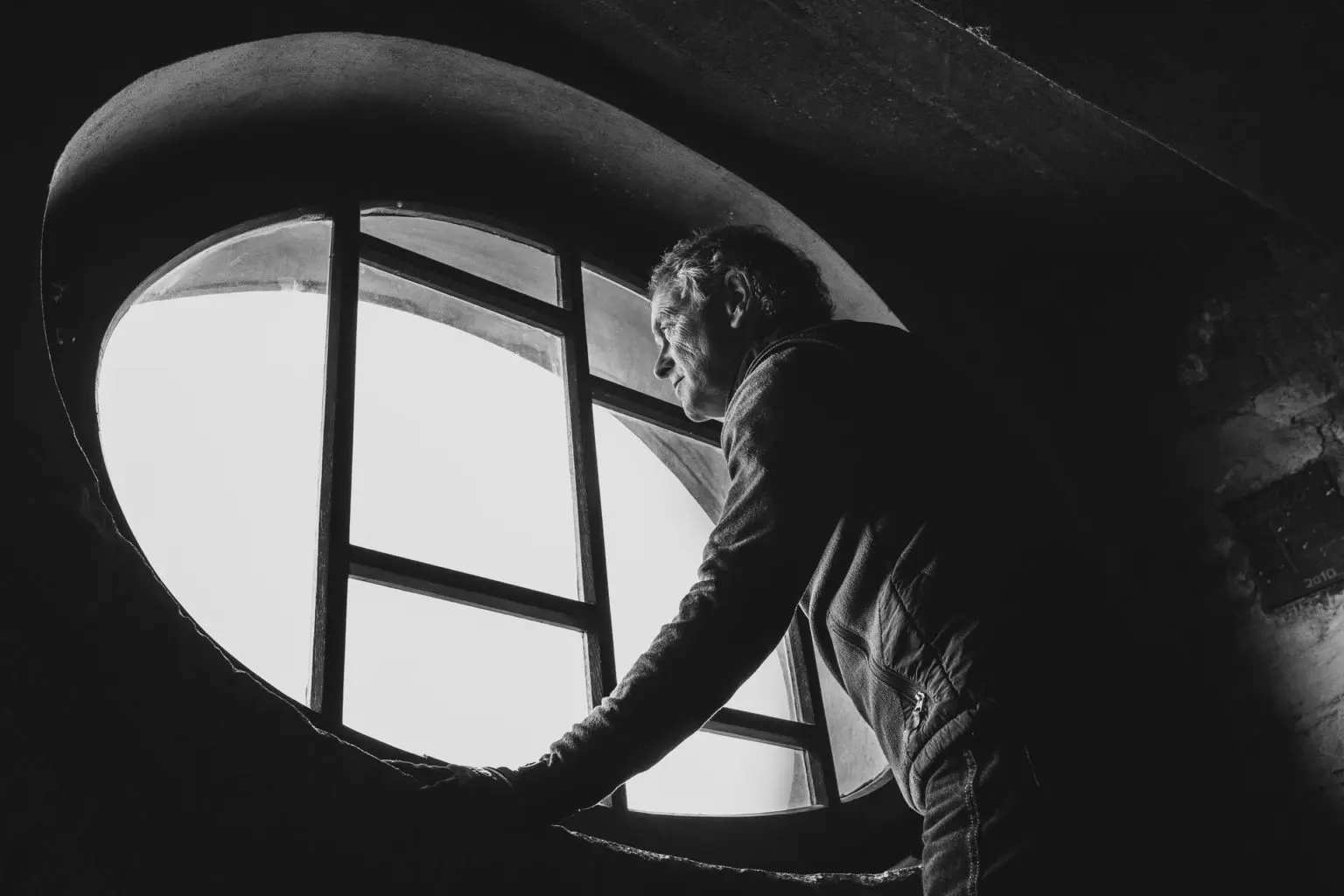
Geometry is all around us in everything, both indoors and outdoors. Including geometry in images can make the images look interesting and also visually appealing. A lot of the common compositional guidelines that we use already have geometry in them, but also including the geometrical structures or geometrical shadows, shapes, etc., can help to produce visually interesting images. This article discusses how geometry can be used for creative composition in photography.
3 Core Composition Skills That Every Photographer Needs To Develop

Composition in photography includes the entire process of taking a photo, right from the pre-visualisation part through to anticipation, timing and then capturing the right moment. This usually applies when capturing street photography, wildlife and events. This article discusses some core compositional skills that every photographer needs to develop.
Photographic Composition: The Devil Is In The Details

When composing images, it is not only important to look at the grand scale of things in the scene, but also to look at the details. When you look closely, you will be able to observe things in detail and come up with very effective compositions. This article discusses how you can compose effectively by combining close and detailed shots.
How To Create Amazing Compositions Simply By Using Color
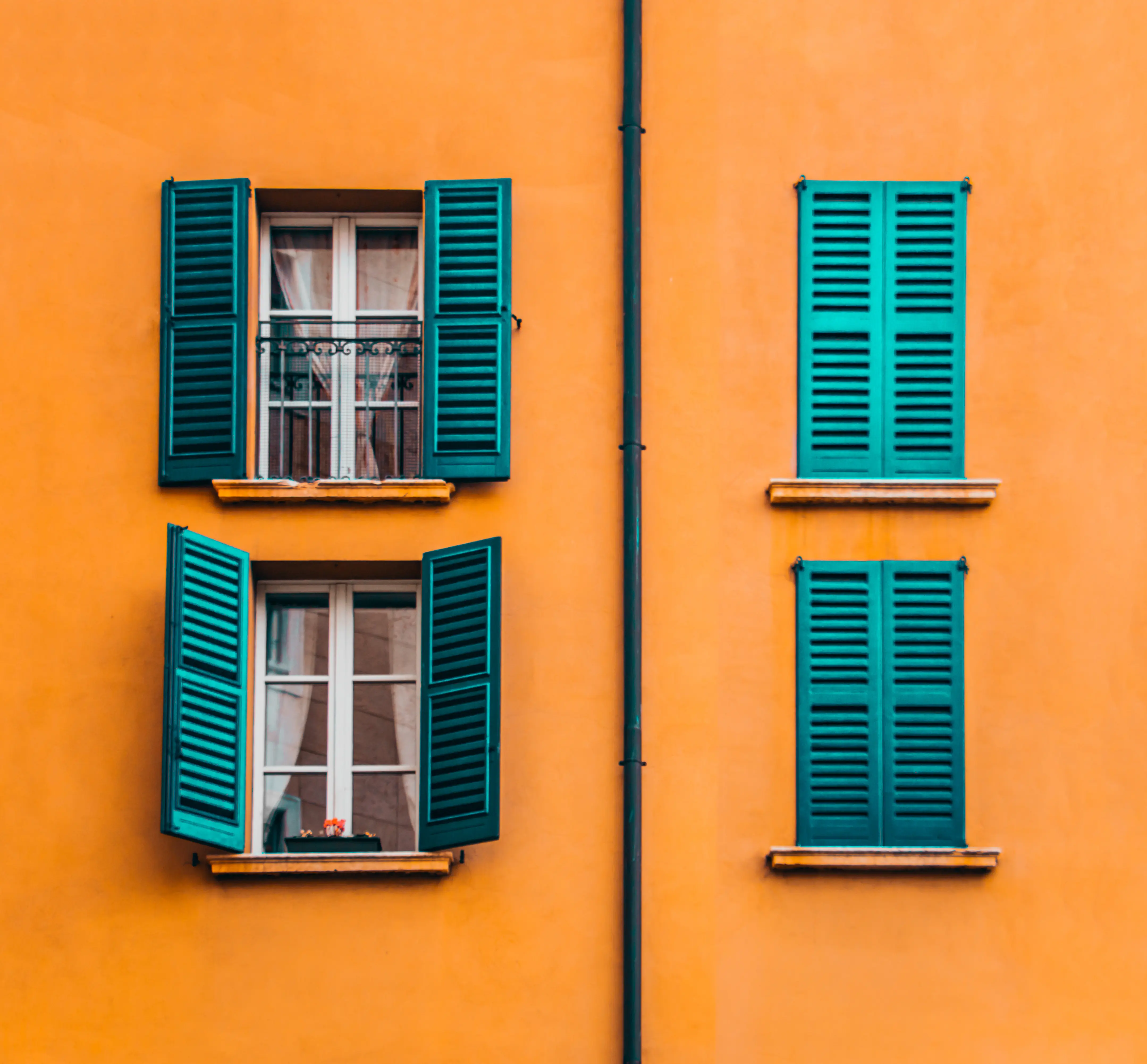
Besides light, colours are great elements that boost the visual appeal and composition of an image. Putting together the right colours can be a skill acquired naturally by many photographers but if you are confused or wish to get started with this skill, you can learn the colour wheel or refer to it when needed. This article discusses how colour can be used to compose powerful images.
How To Use Sharpness As A Compositional Element In Photography
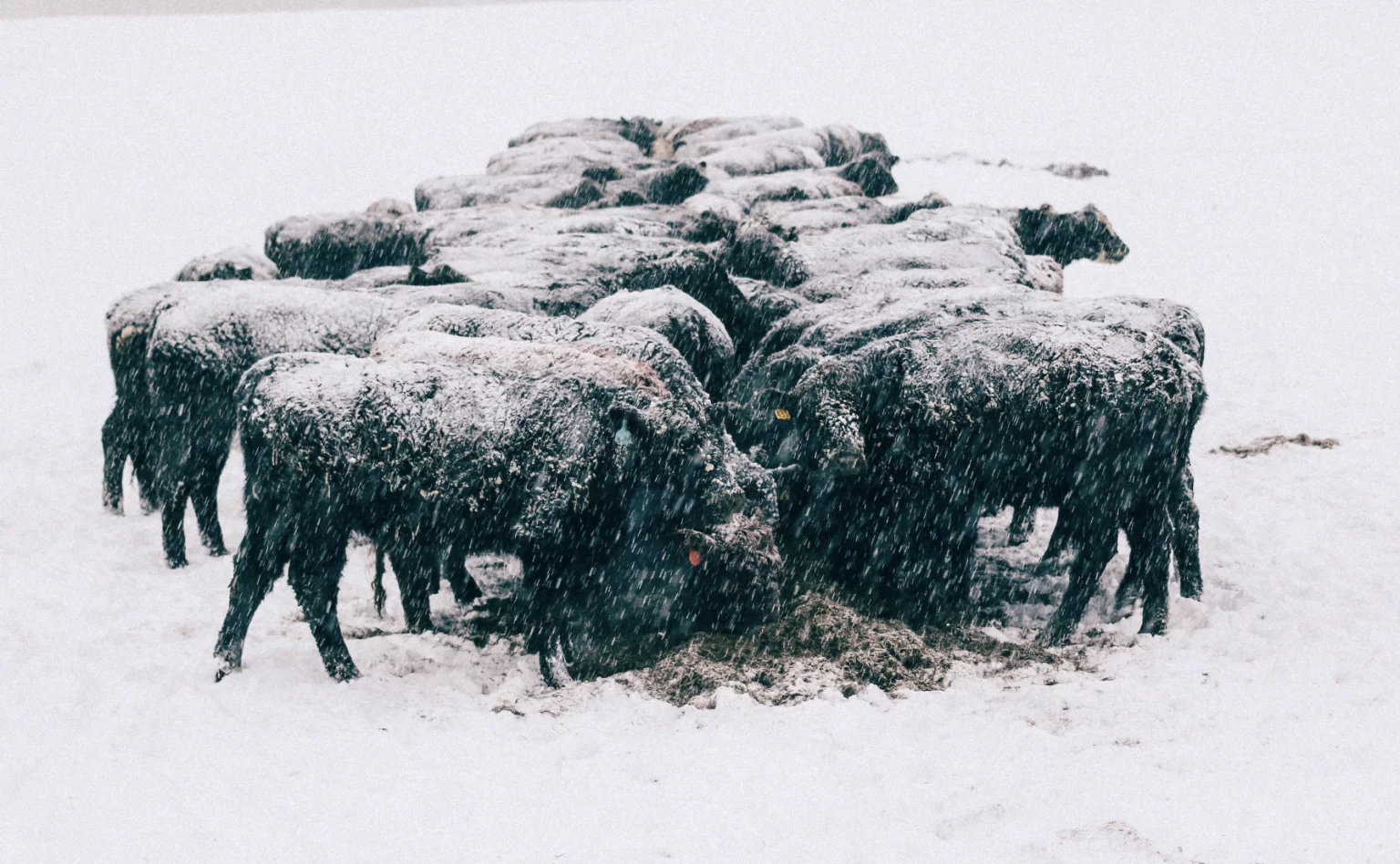
A lot of photographers would not think that sharpness can be used as a compositional tool in photography. Making a subject stand out from the background is a powerful compositional technique to draw the viewer's attention towards the subject while the background still provides visual appeal and meaning to the photo. This article discusses how sharpness can be used as a compositional tool.
S Curve Photography: Focus On Improving The Composition

We know that leading lines are powerful tools in composition and they are great in directing the viewer's eye directly towards the subject. Similar to that is the S curve, which is also a type of leading line that can keep the viewers engaged for a longer period and the S curve has more visual appeal when used in an image. This article discusses how S curve can be used to improve compositions in your image.
5 Typical Composition Mistakes That Crush The Effectiveness of Your Images

While compositional guidelines can make a great photo, not composing the images well or not paying attention to elements or other minute details around your subject can break a photo. It could be cropping off important elements in the frame, keeping distractions, not paying much attention to the background and so on. This article discusses some common composition mistakes that can make the resulting image less effective.
Further Resources
- How to Combine Composition Rules In Photography for More Powerful Images
- 6 Fundamental Composition Techniques That Will Improve Your Portraits
- How to Use Colour for Creative Composition
- Simple Photography Composition Guidelines for Beginners
- Why Leading Lines Photography Compositions Are Trickier Than You Think


