
Mastering composition is one of the most powerful things you can do to improve your photography. And while you can start out with basic compositions as you progress, you are going to want to become more advanced in this facet of the craft.
This list of tutorials will let you dig a lot deeper than rudimentary composition. By using each of these composition techniques or even combining them, you will begin to find various methods of drawing a viewer’s eye into your compelling images.
1. Rule of Thirds
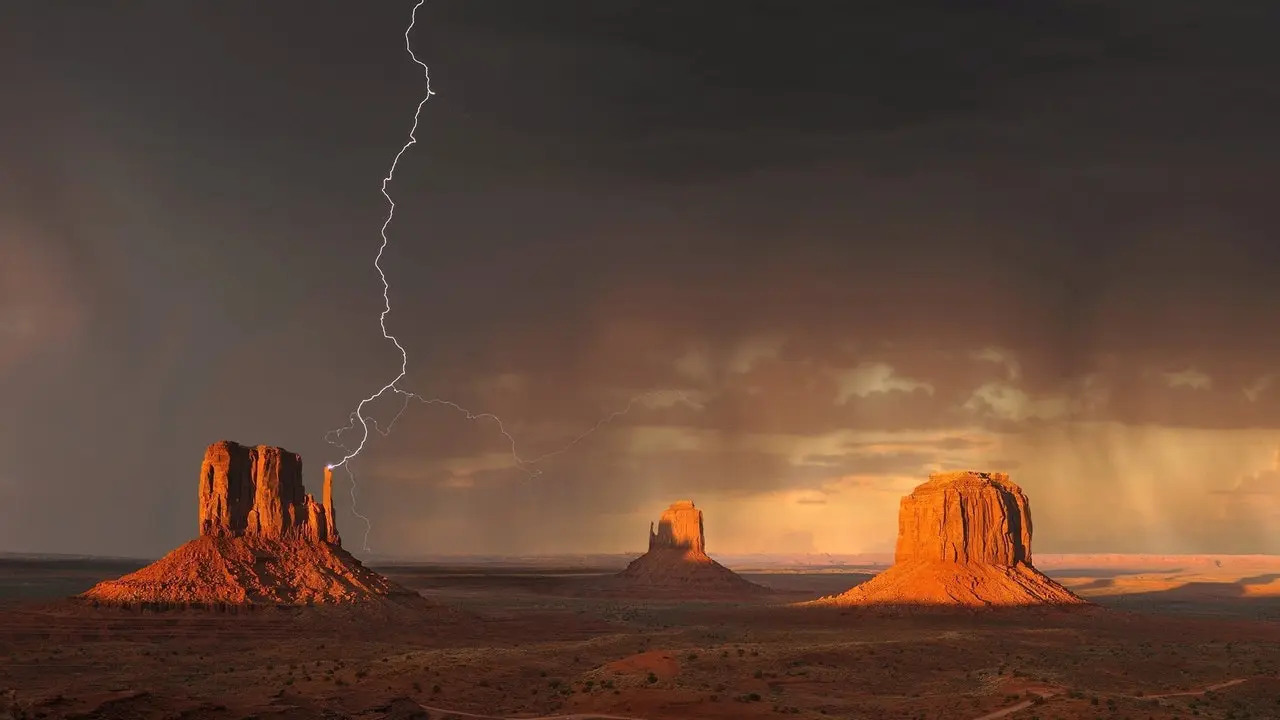
This is the classic composition rule and the grand daddy of them all that seems to be rolled out at every opportunity on photography blogs, photography books and photography tutorials. Yes it's a very powerful rule or guideline and it is very useful to know but don't take it as gospel. Learn all of the guidelines and expand from there.
2. Leading Lines
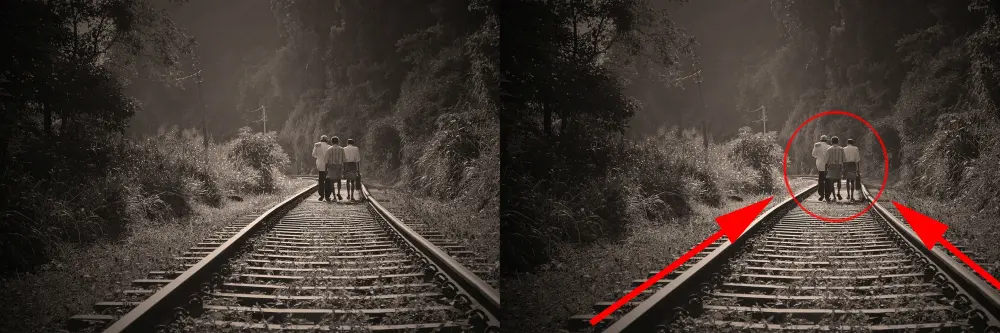
Leading lines is another classic rule that many photographers use to draw the eye towards a central subject. Finding leading lines in elements of composition does make for an easy way to guide a users view around an image and is an essential composition technique that you should know.
3. Symmetry and Patterns
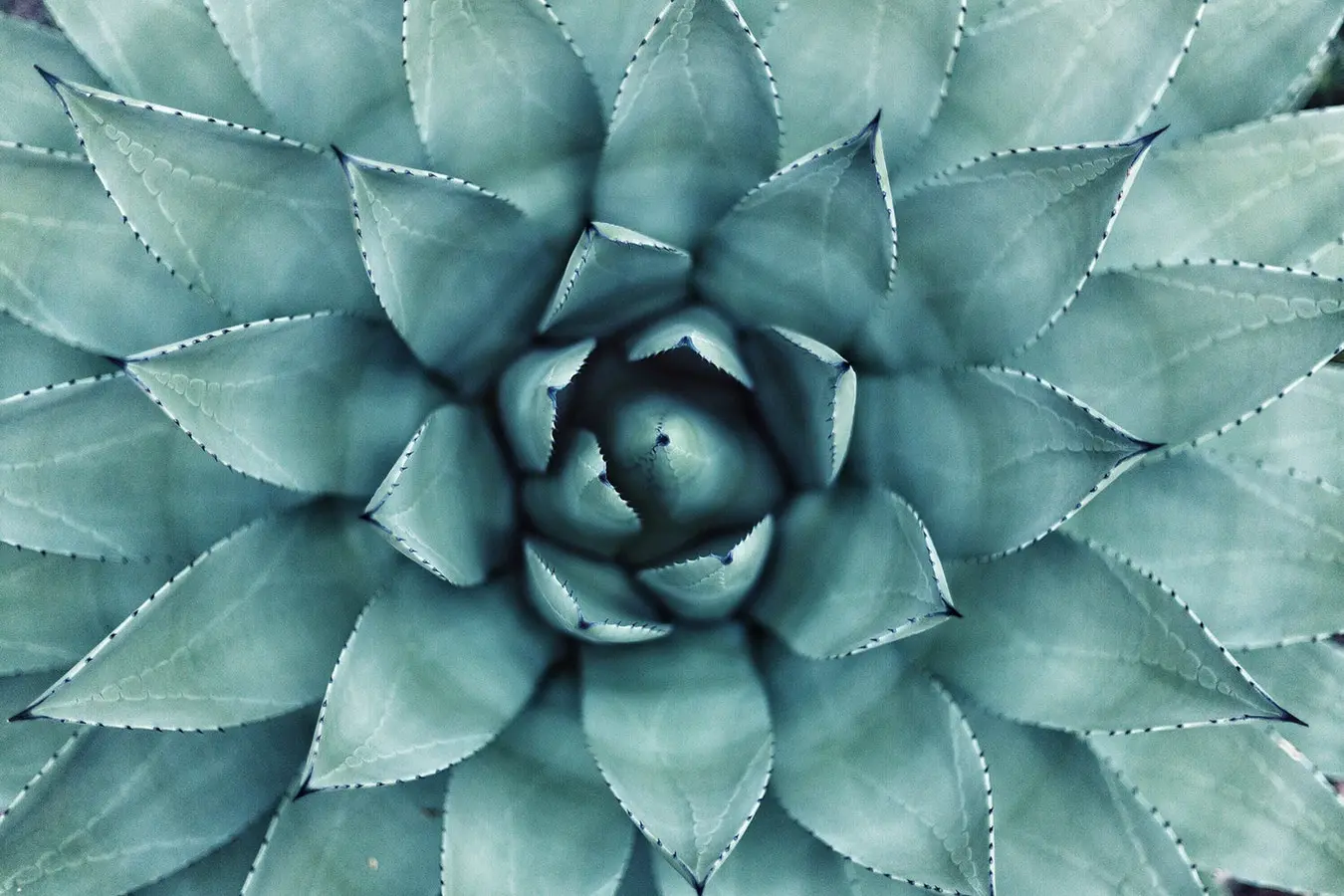
Knowing how to use symmetry and patterns in photographic composition allows you to create either balance or tension using those repeated elements. This can lead to some incredible compositions when done well.
4. Framing
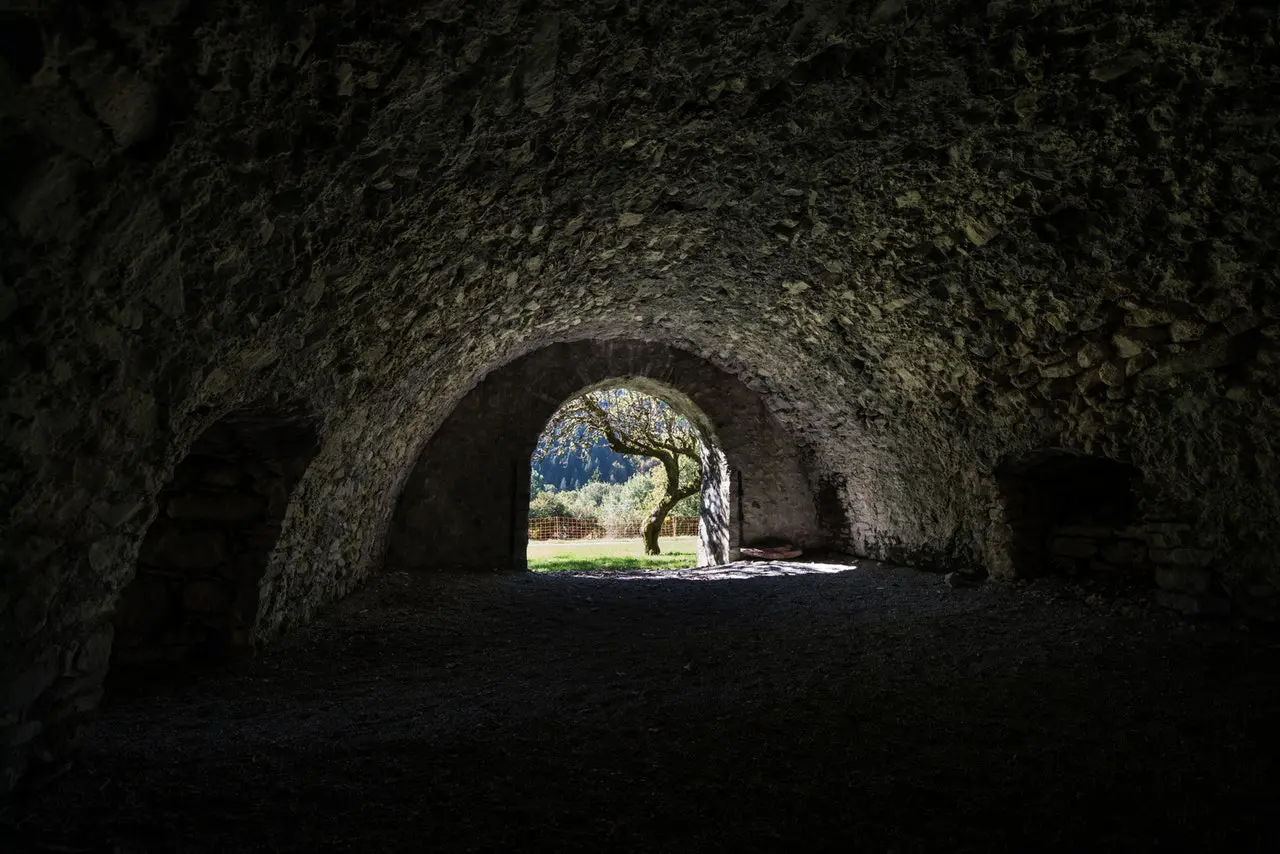
Using the natural surroundings of a scene to draw focus to your subject is a massive part of composition and framing fits into that in a perfect way. Finding those natural elements that can surround your subject to bring the eye to the center of interest is a very powerful skill.
5. Depth
Using depth to guide you through a composition is a powerful technique that goes a little beyond beginner level. Luckily we have a guide that could teach you how to control your camera and look for these powerful opportunities.

6. Negative Space
Empty space around a subject can really result in a very powerful center of interest. If used well, it will help you in your composition journey to capture visually pleasing photos.

7. Fill the Frame
As the name suggests, this one is all about getting closer to your main subject and ensuring that it fills the entire frame. This is a great way to take a detailed and profound image of a specific subject.

8. Diagonals and Triangles
Using specific diagonal or triangles in your composition is a great way to create visual tension and control the path of your viewers gaze. Here is a detailed guide on how to achieve this.
9. Golden Ratio
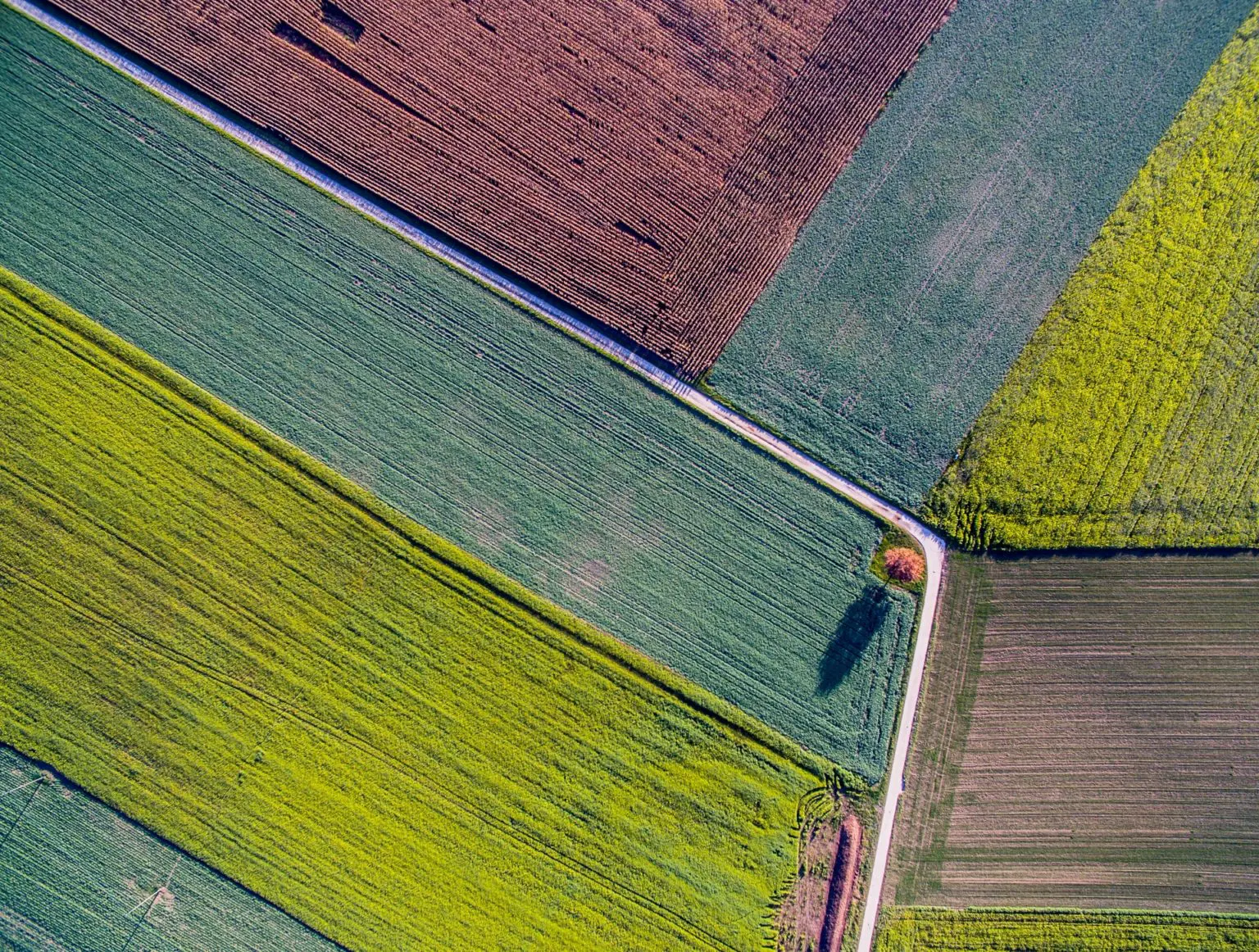
The golden ratio can be found in a lot of human art spanning all the way back to the earliest architecture and sculpture. It can also be witnessed in abundance in natural subjects. Formulized by the Italian mathematician Fibonacci the golden ratio is also a useful compositional tool in photography for those who want to dig deeper than the Rule of Thirds.

10. Balance
Sometimes you will want to distribute the visual weight of an image in an even fashion so as to create a pleasing composition. This is one more skill you should have in your bag of composition tricks.

11. Juxtaposition
Putting some contrasting elements together to create visual interest is a very useful guideline in the world of photographic composition. Knowing how juxtaposition works as well as having some examples in the back of your mind will let you use this trick well.

12. Rule of Odds
A very odd thing is that odd numbers tend to be more visually appealing and engaging. It's something to remember when taking photographs of groups of objects.

13. Simplicity
Removing clutter from your images can result in strong compositions that really draw the eye and result in powerful images.

14. Repetition
Repeating elements within a visual composition can create rhythm or unity when the photographer wishes to do so.

15. Point of View
This one can be as simple as changing your camera position but it's helpful if you have some examples and tips in the back of your mind to work from.

16. Texture
This one is similar to how patterns are used to draw the eye but highlighting surfaces with the detail. It does add quite a lot of visual interest in many cases.
17. Color Theory
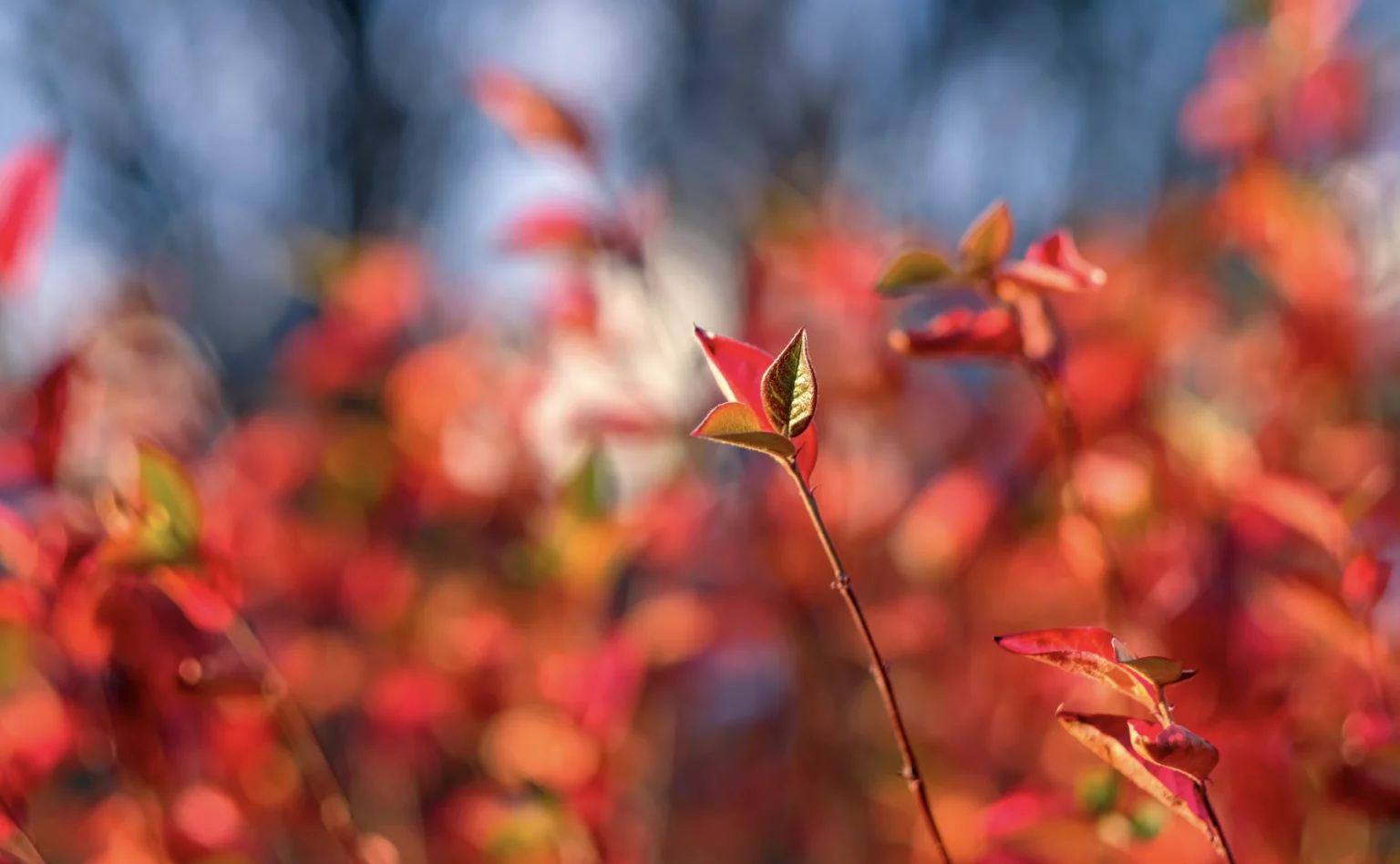
Using the knowledge of “Color Theory,” photographers can use various colors and combinations to draw the eye in certain areas. For example, using opposite colors have a contrasting element that is almost guaranteed to draw the eye when used at scale.
18. Minimalism
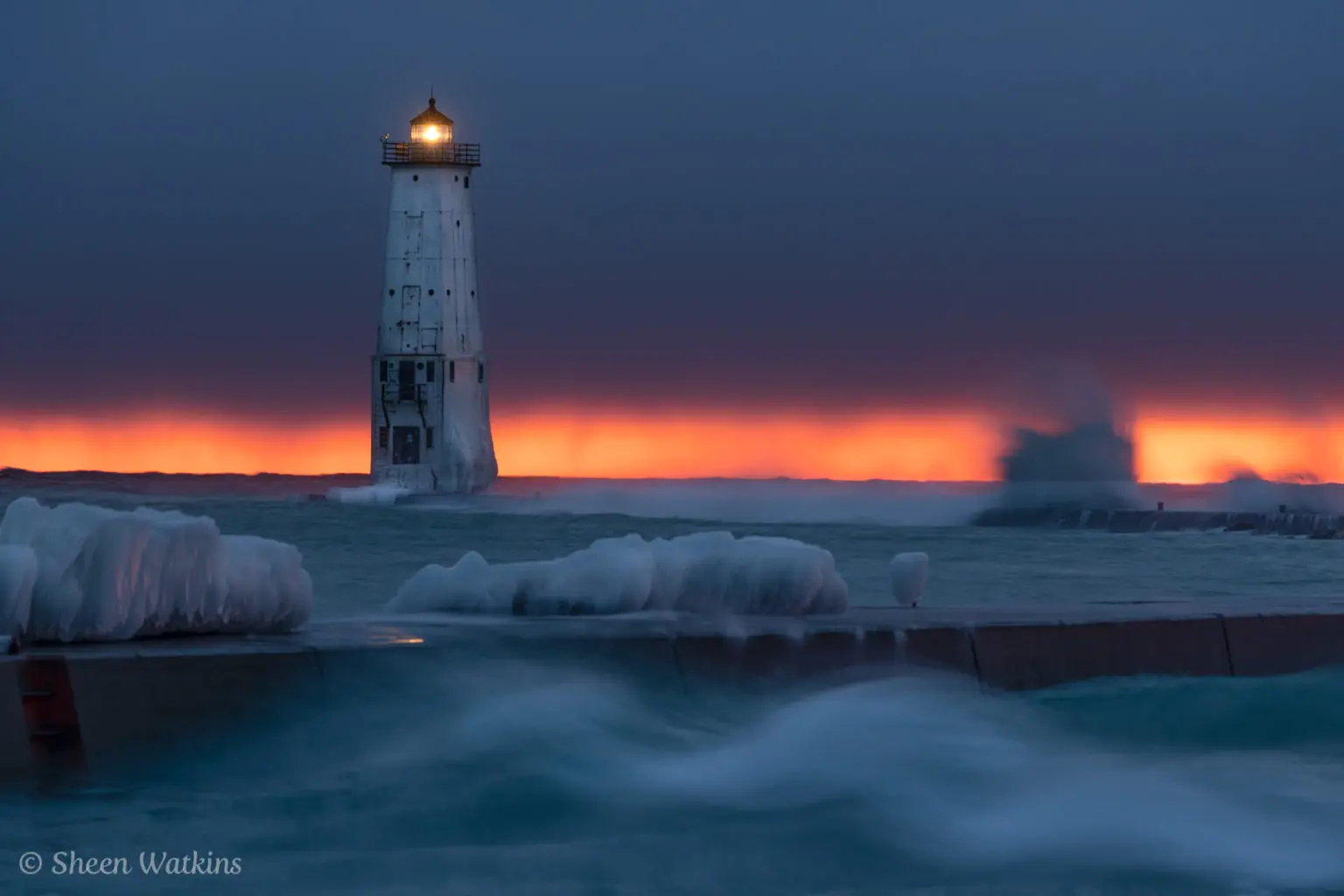
Minimalism is always hugely popular among photographers as it is so difficult to do well. This article goes into everything you need to know to get a good start at this advanced approach to photographic composition. It’s harder than it looks!

19. Rhythm
Learning how to recognize and tastefully shoot rhythmic subjects in a skillful way is an advanced composition technique that will be useful to every photographer. Breaking that rhythm will also come in very handy as a compositional tool as you will see in this useful article.

20. Silhouettes
Getting an effective silhouette can make for a very powerful composition in photography but you need to know a few technical aspects of how to do it well first, if you wish to get consistent results. This article will show you how to capture perfect silhouettes.

21. Reflections
Finding reflections while you're out shooting is one of the cheat codes of interesting photography and this article will take you through various ways to incorporate reflections in your compositions for stronger all-round images.
22. Golden Spiral
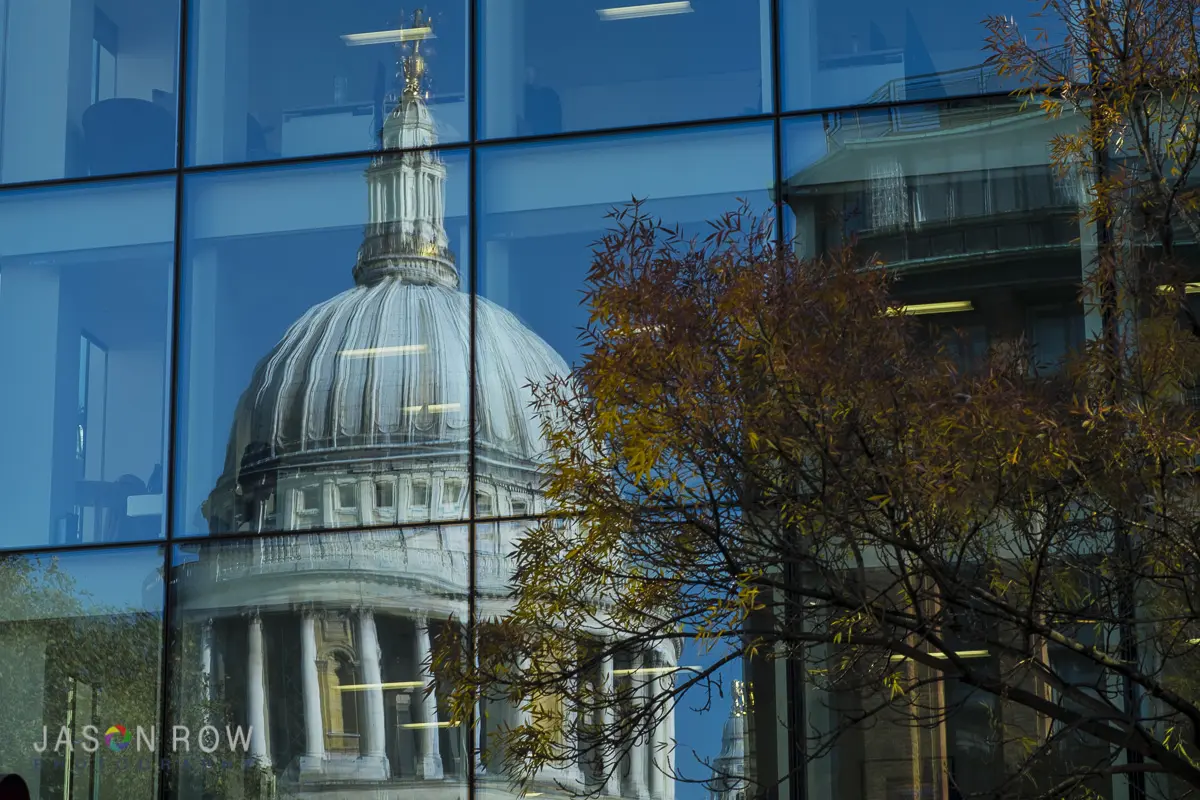
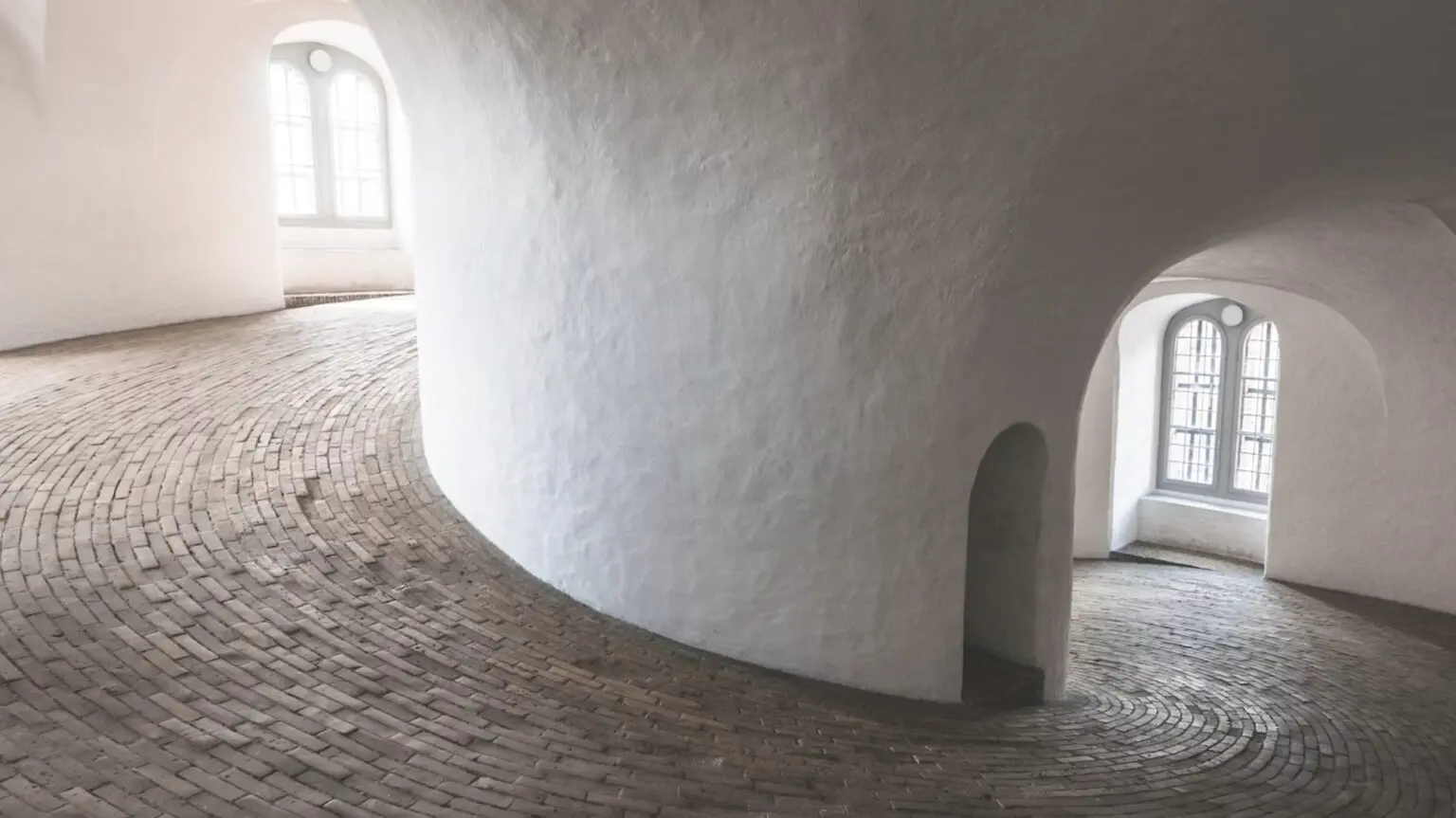
Golden spirals are an advanced composition technique that are extremely difficult to get right while you're out in the field or even a spot. these images will give you a practical demonstration of what you need to look for to achieve what can be a very powerful composition.
23. Rule of Space
Knowing what not to include in aspects of your photo can be just as powerful as knowing what to include. The rule of space is more concerned with the former and this will give you a solid start to that mode of thinking.

24. Foreground Interest
Foreground interest is one of the primary composition tools used by outdoor photographers and it's something that every photographer should endeavor to learn well. This article will ground you in the compositional approach to incorporating this powerful element in your photographs.

This list has given you a place to start when you want to dig beyond basic photographic compositions. This list is by no means comprehensive and you can go a lot deeper with your compositions. And hopefully, as you develop your eye for powerful setups, your images will become more compelling too.
Further Reading
- Photographic Composition: The Devil Is In The Details
- Composition Simplified: Improve The Creativity Of Your Images
- S Curve Photography: Focus On Improving The Composition
- 5 Typical Composition Mistakes That Crush The Effectiveness of Your Images
- How To Use Details In Your Compositions For Tantalising Photographs




1 Comment
I gave this presentation to our local photo society in 2021…
Viewfinding: Creative Composition
https://www.youtube.com/watch?v=V5Gd5Bk0TfU
ENJOY!
– John