
In portrait photography, the photographer captures the genuine emotions, characteristics/features and personality of people. These features can be photographed well by photographing your subject/s in the right location, under the right light conditions, in suitable outfits, against interesting backgrounds, using the right camera settings and most importantly using meaningful poses (except for candids).
When capturing portraits of people, you need to make sure that the focus in on the eyes and use flattering light for the best results. Reflectors, diffusers and softboxes can be useful in order to achieve better results. Here are some useful tutorials for portrait photography if you are looking to capture meaningful portraits.
4 Quick Tips To Improve Your Natural Light Portraits

A lot of professional photographers choose to shoot portraits in studios where they can control or manipulate light according to their needs quite easily, but many photographers choose to use natural light for portraits, simply because they are looking for that natural look and a natural environment. Both lights are great for portraits and natural light photographers need to find ways to make best use of the available light. This article provides some tips to improve your natural light portraits.
Tips for Achieving Winning Portrait Photography With Speedlights
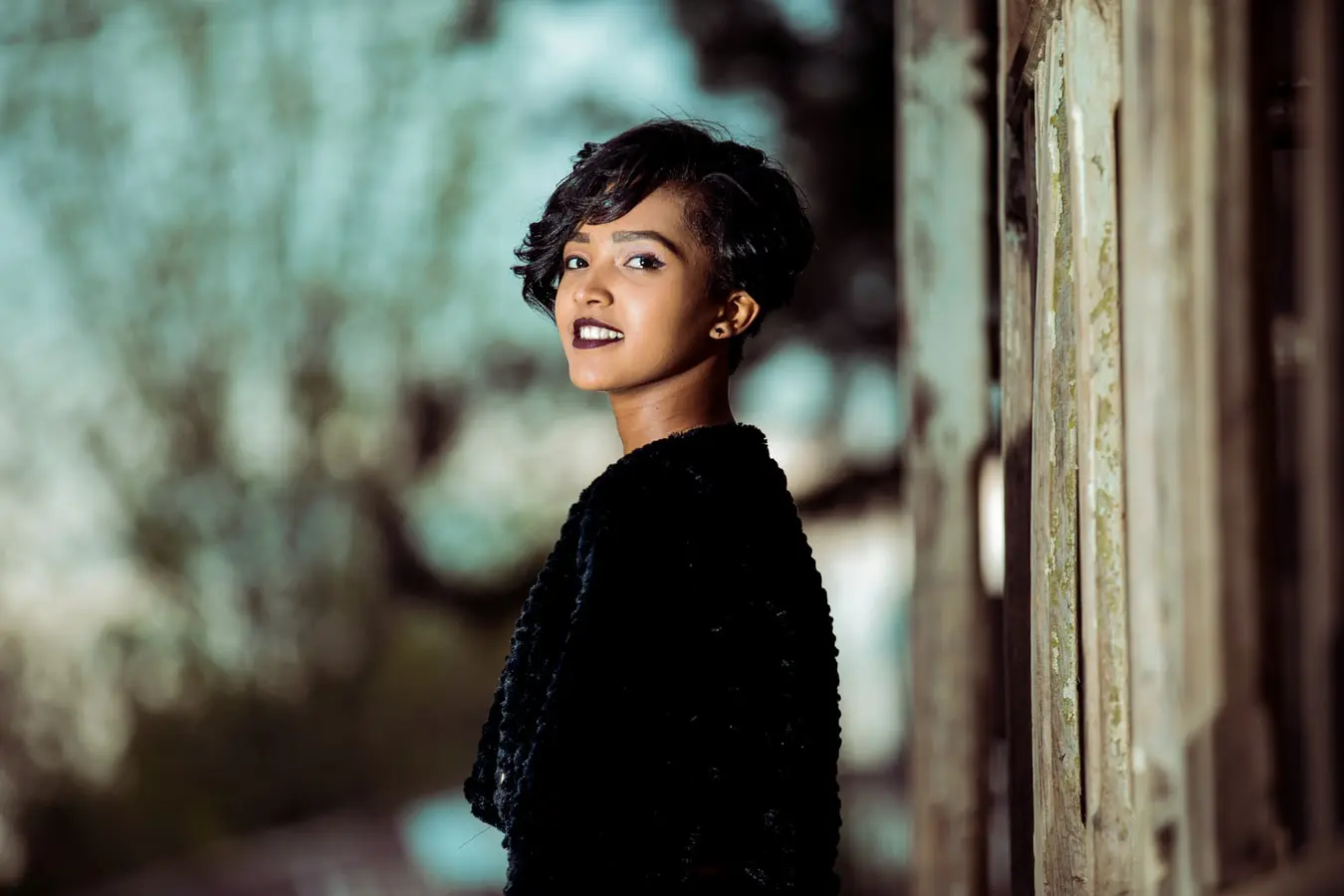
When it comes to portrait photography, besides working with the available natural light, photographers have the convenience to use artificial lights to compensate for, when the lighting is inadequate. Having just one speedlight in your kit can open up plenty of possibilities in how you can capture stunning portraits. It is easy to set up and not too expensive. Here are some tips to capture award winning portraits with speedlights.
How To Tell Stories Through Unique Self-Portraits

Self portraits can be an expression of one's self and capturing self portraits is not so easy as it may seem. The photographer themselves is the subject and the photographer and hence a lot of planning and execution goes into the process. Since you will be capturing your own story, you will need to plan one where you will be comfortable to share a part of your life story. Also, setting up the camera for photography can be quite a task. This can be a great choice for subjects who do not feel comfortable in front of another photographer. This article discusses many tips to capture stories through self-portraits.
7 Easy To Follow Tips For Better Portrait Photography
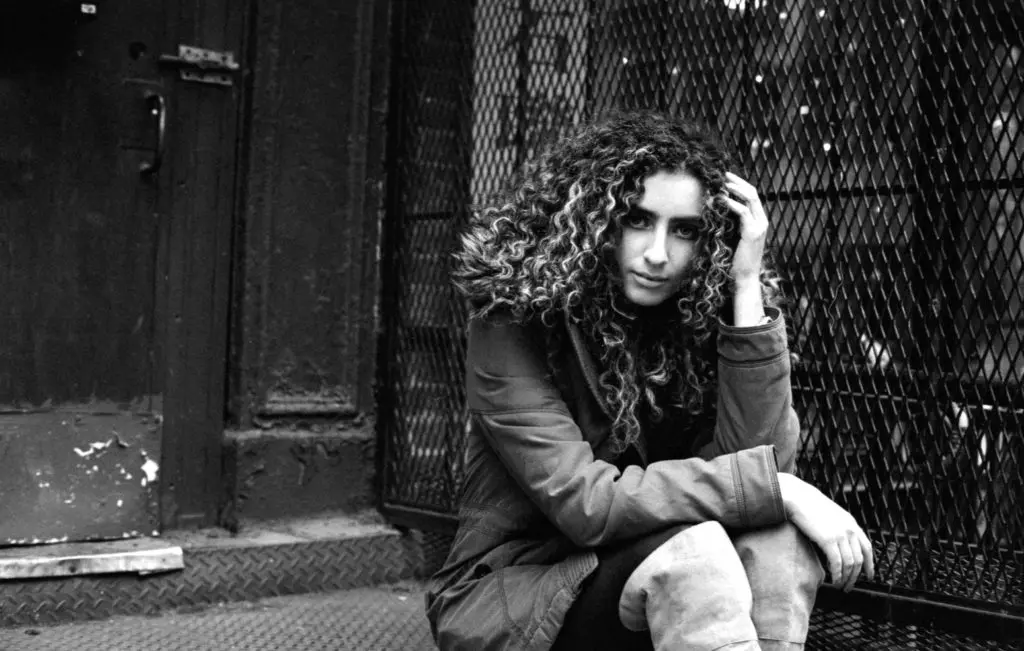
Portrait photography is a challenging genre and one that takes a lot of practice and patience to master. Professional photographers master their craft over years of experience, learning from their mistakes along the way. When it comes to portrait photography, photographers immediately think that a creamy bokeh, low iso shots, moderate focal length, natural light, etc., are the only ways to capture stunning portraits. This is not exactly true and this article discusses some tips that you can follow for better portrait photography.
10 Tips For Epic Outdoor Portraits
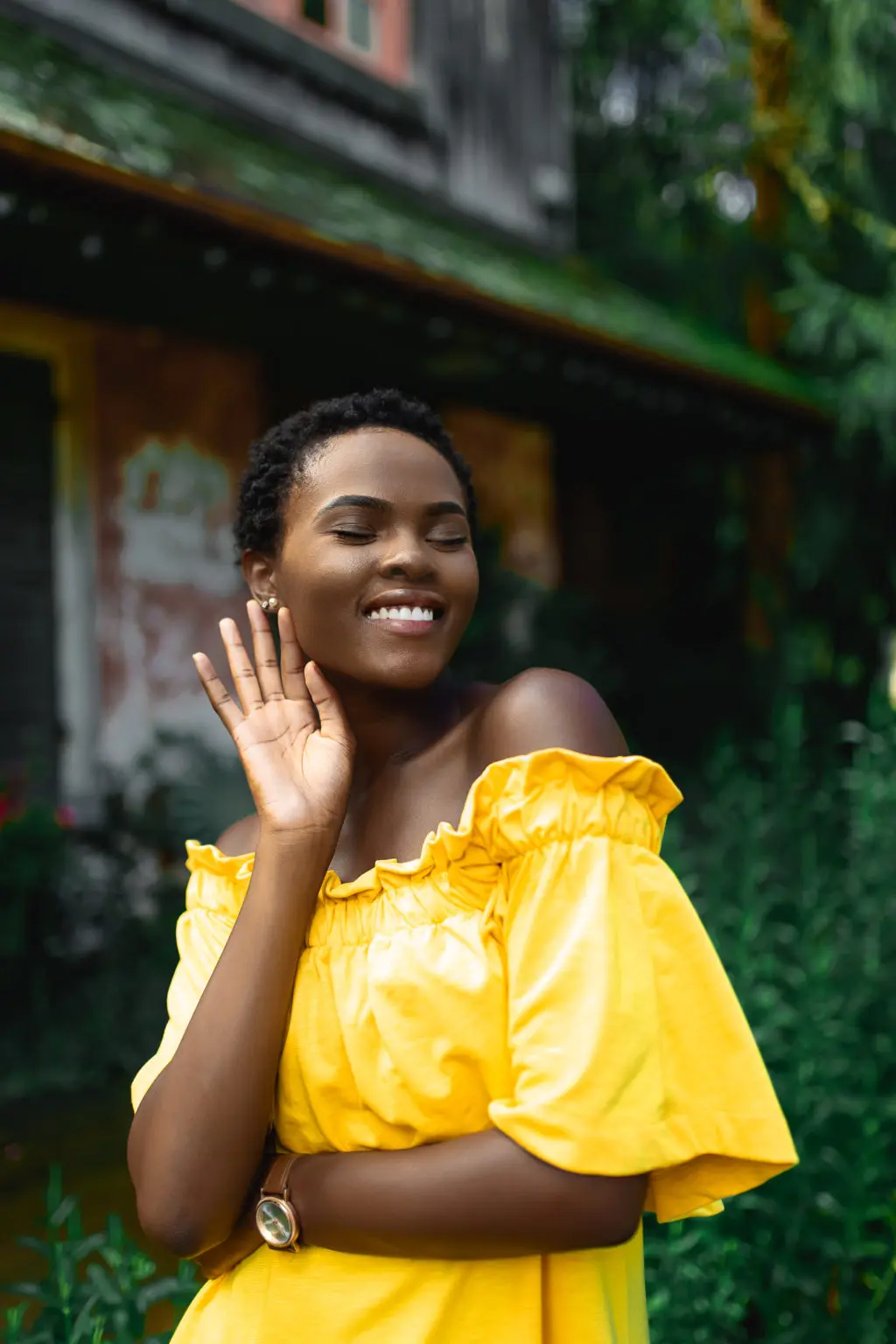
Outdoor portraits are undoubtedly dreamy and extremely visually pleasing. It is one that most photographers, especially beginner portrait photographers choose to shoot in but it has its own drawbacks. The light, the weather and other natural conditions need to work along the portrait shoots you are planning. Besides, natural light can be a great deciding factor in order to achieve visually appealing outdoor portraits and this limits the photographer to shoot during certain times of the day. Here are some top tips to capture epic outdoor portraits.
6 Fundamental Composition Techniques That Will Improve Your Portraits
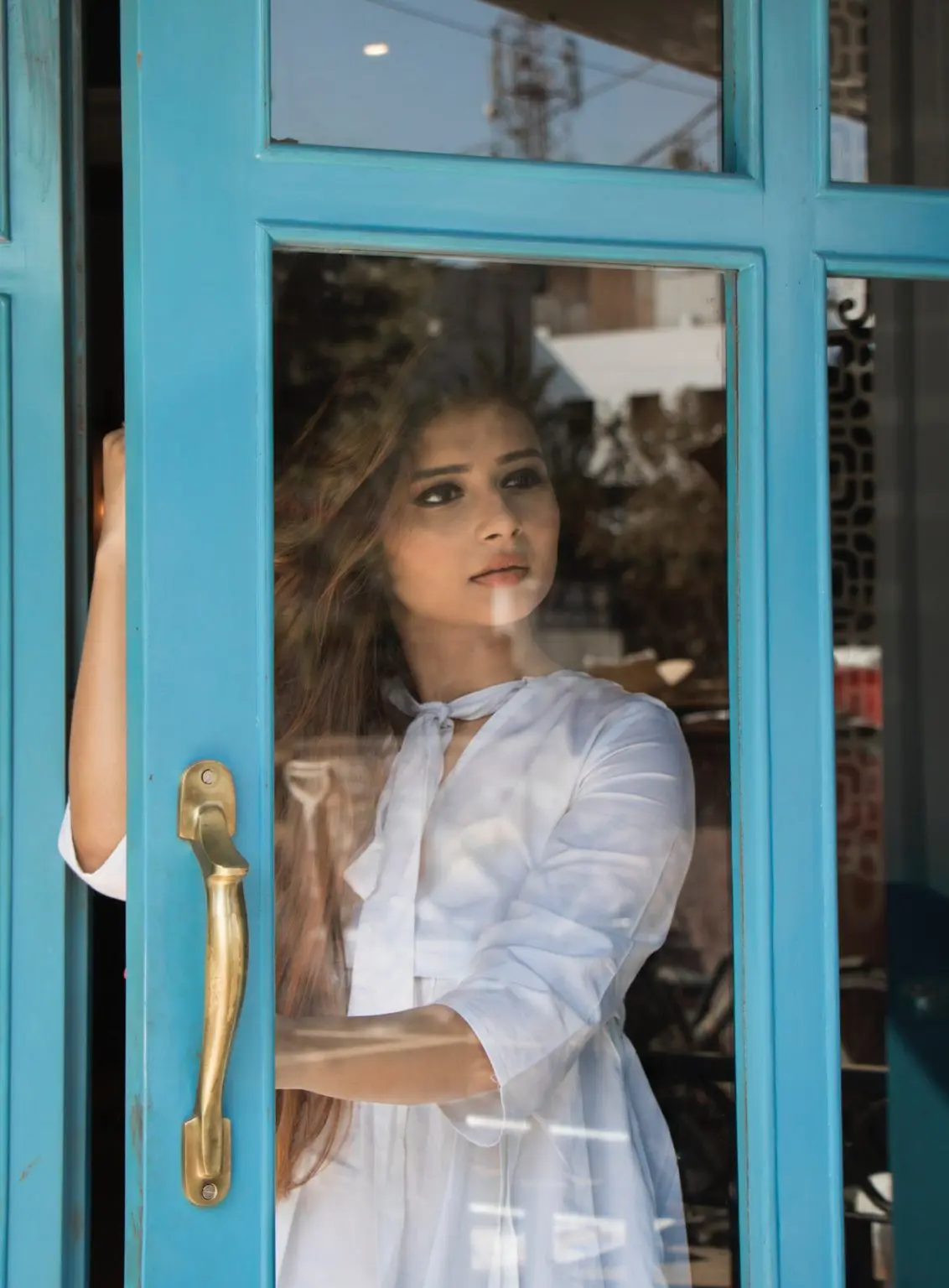
When capturing portraits, making use of the right light, location and gear are important, but equally important is how you compose the shot. Without a good composition, a portrait can look boring without much meaning. There are several ways in which you can compose portraits – using the elements around, right use of light, and even through clever poses. This article discusses some fundamental composition techniques for effective portraits.
Bite Size Tips – Capturing Classic Portraiture Compositions

Classic portraiture can refer to a minimalist portrait where the photographer captures the subject and their characteristics against a simple background making use of the right light conditions. These portraits are mostly shot indoors or in a studio setup and photographers need to make sure that the pose and expression of their subjects are natural enabling them to capture authentic portraits. This article discusses some compositional techniques to capture classic portraits.
Bite Size Tips: 5 Ways to Get Sharper Eyes In Your Portraits
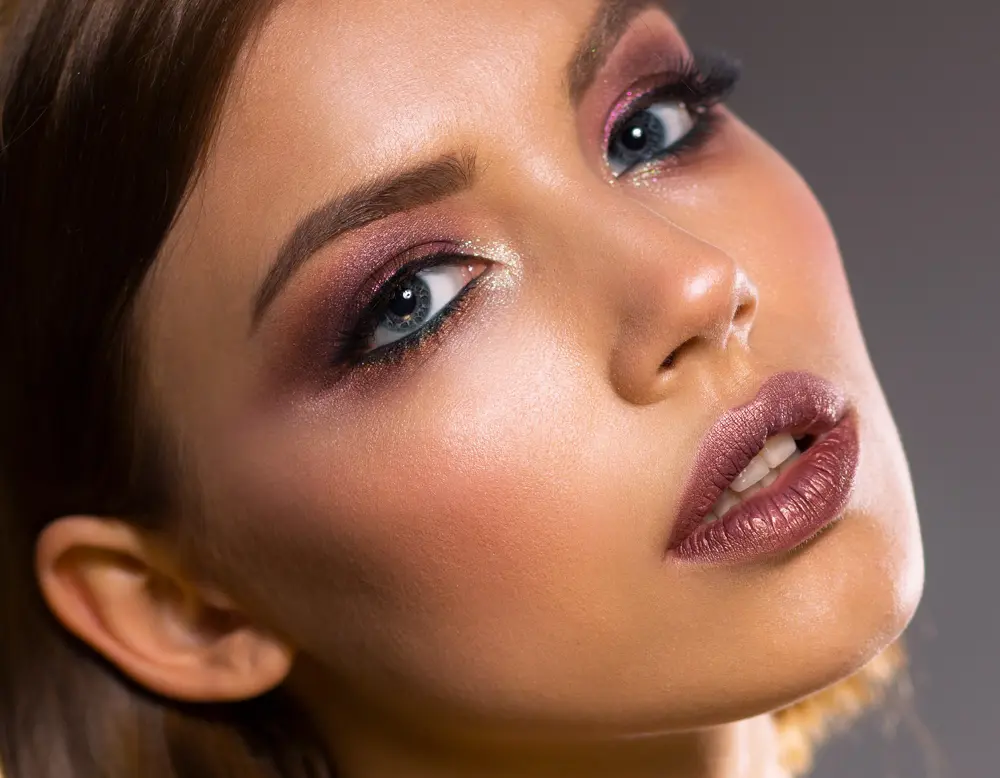
For portraits to be effective the photographer needs to have sharp focus on the eyes of the subject. This could be any type of portraits and without sharp eyes, the portrait can feel ineffective or lifeless. When photographing using wide apertures like f/1.2 or f/1.4, autofocus can seem to struggle to get the focus accurately on the right plane. Learning to use the camera well including its features is important and this article discusses some tips to get sharp eyes in portraits.
Take These 4 Steps To Successful Available Light Portraiture

Available light in photography includes both natural and artificial lighting depending on where you are shooting. You could shoot under just natural light, artificial light or a combination of both as long as there are no unwanted colour casts in the resulting image. Whatever the situation, you need to asses the intensity, direction and other factors of light and use it effectively to capture stunning portraits. You can modify the light using diffuser or reflector to capture the required details. This article discusses some steps needed to capture portraits successfully.
Something Different: Using a Wide Angle Lens for Portraits

Most photographers use the 85mm to 105mm range for portrait photography because of the compression effect that a telephoto lens would provide. While portraits captured with a moderate telephoto lens can look close to natural, photographers should experiment with other focal lengths in order to capture creative portraits. One of the least used lenses for portraits is a wide angle lens and this article discusses using a wide angle lens instead of a telephoto lens for portraiture.
Further Reading
- 13 Tutorials On Different Lighting Techniques For Portrait Photography
- 7 Best Practices for Portrait Photos That Get Noticed
- Portrait Photography Ideas and Techniques for Shots That Will be Cherished
- 5 Free E-Books on Photographing Candid Portraits
- Effective Photographic Strategies for Mixed Lighting


