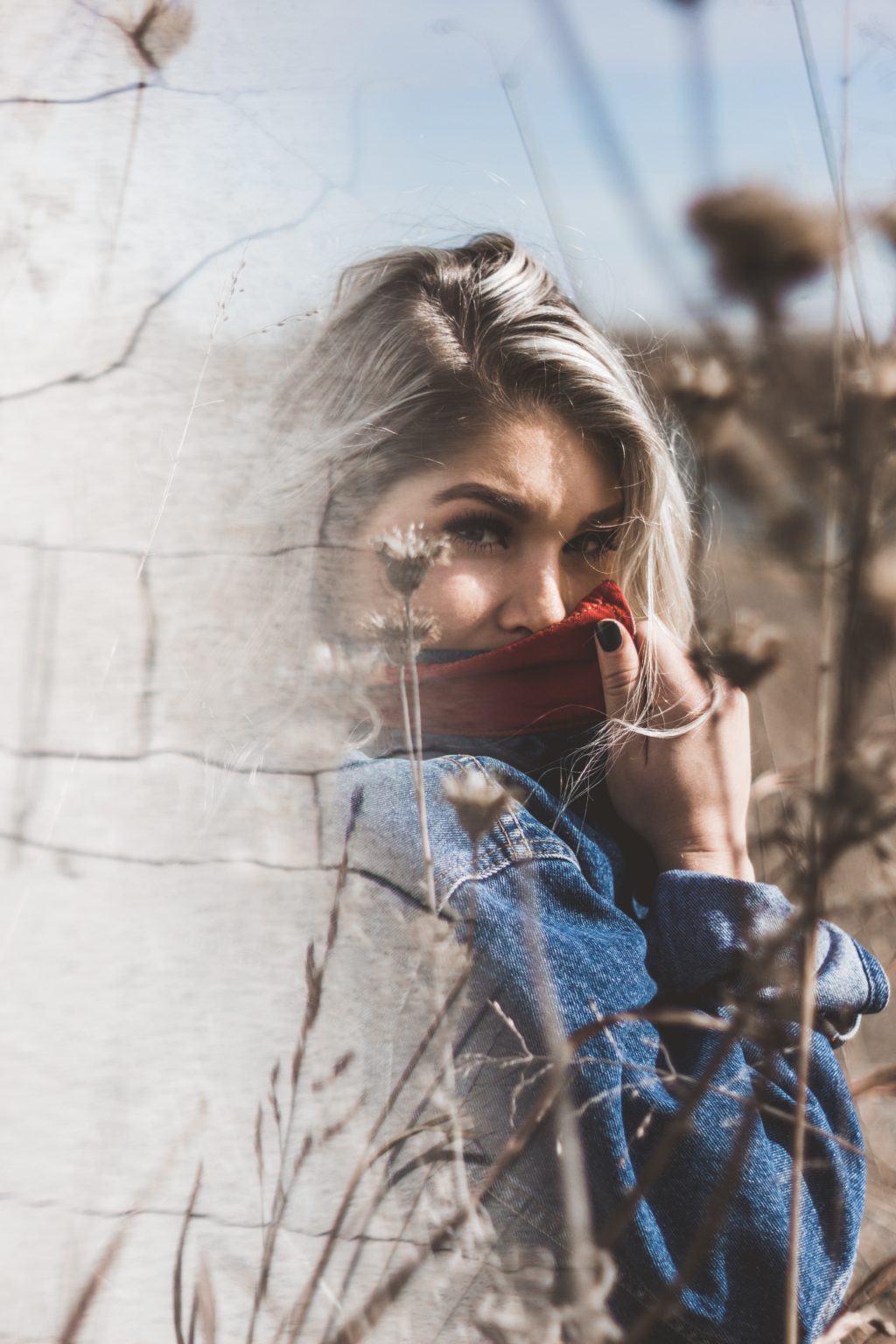
Once you step into the world of photography, you need to improve your camera craft in order to make photography an easier and more enjoyable process. Mastering camera techniques and getting creative with the techniques that you learn, can help you to make creative decisions on location when you look at elements and the subjects around you, under certain light or weather conditions.
Besides the above, there are various other decisions the photographer needs to make in terms of lens choices, focal lengths, shooting modes, filters, camera settings, orientation, angles, perspectives, and the list goes on. In this article, we have put together some very interesting resources that will help you to improve your camera craft (the not so common ones) and capture better photos.
Here Are Some Fundamental Concepts Beginners Should Know In Photography

If you are a beginner looking to learn more in photography or if you have some experience and wish to learn a bit more in detail certain concepts in photography, this article has a list of many of them that will be helpful, interesting and will make your photography journey become less confusing and stressful.
These 7 Camera Controls Will Give You Sharper Images
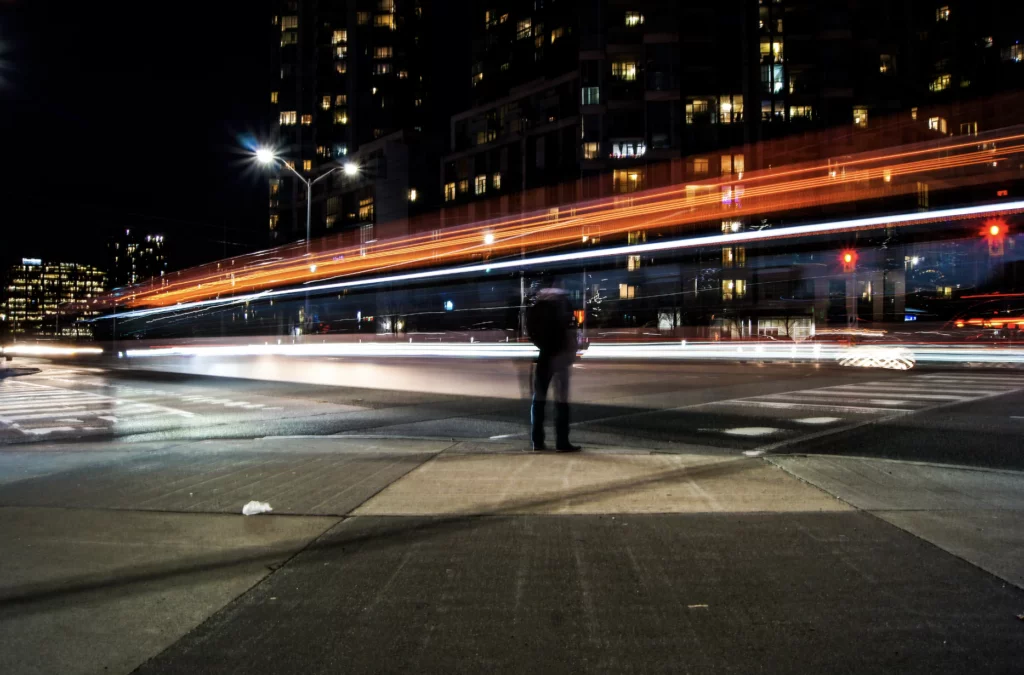
We all know that in order to capture sharp images, we need to use the right aperture based on the scene we are shooting, avoid camera shake by choosing the right shutter speed, or use a tripod and so on. Sometimes, the camera also struggles with autofocus in certain situations in which case, we will need to use manual focus. This article talks about seven controls that will help you to capture sharp images.
Exposure Bracketing: What Every Good Photographer Should Know
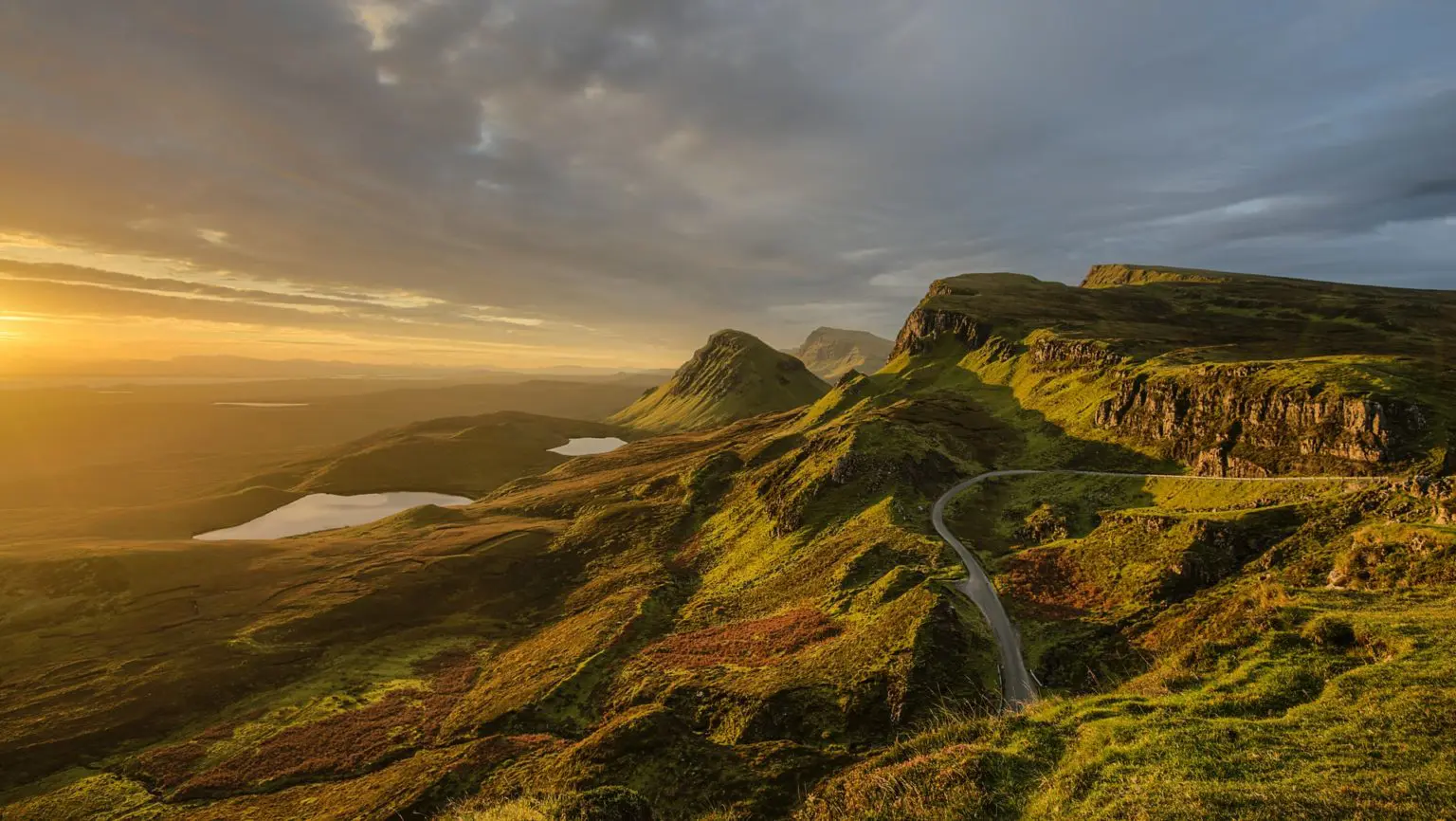
Modern cameras have a good dynamic range, but there are still some situations where the difference in light intensity in a scene can be so huge especially when shooting during midday and sometimes even ND Grad filters may not be helpful for certain sunset/sunrise shots. In these situations, it is good to bracket exposures and then combine them when post processing in order to capture the entire dynamic range. This article discusses exposure bracketing so you can capture a good exposure every time.
How to Use Auto ISO on Your Camera
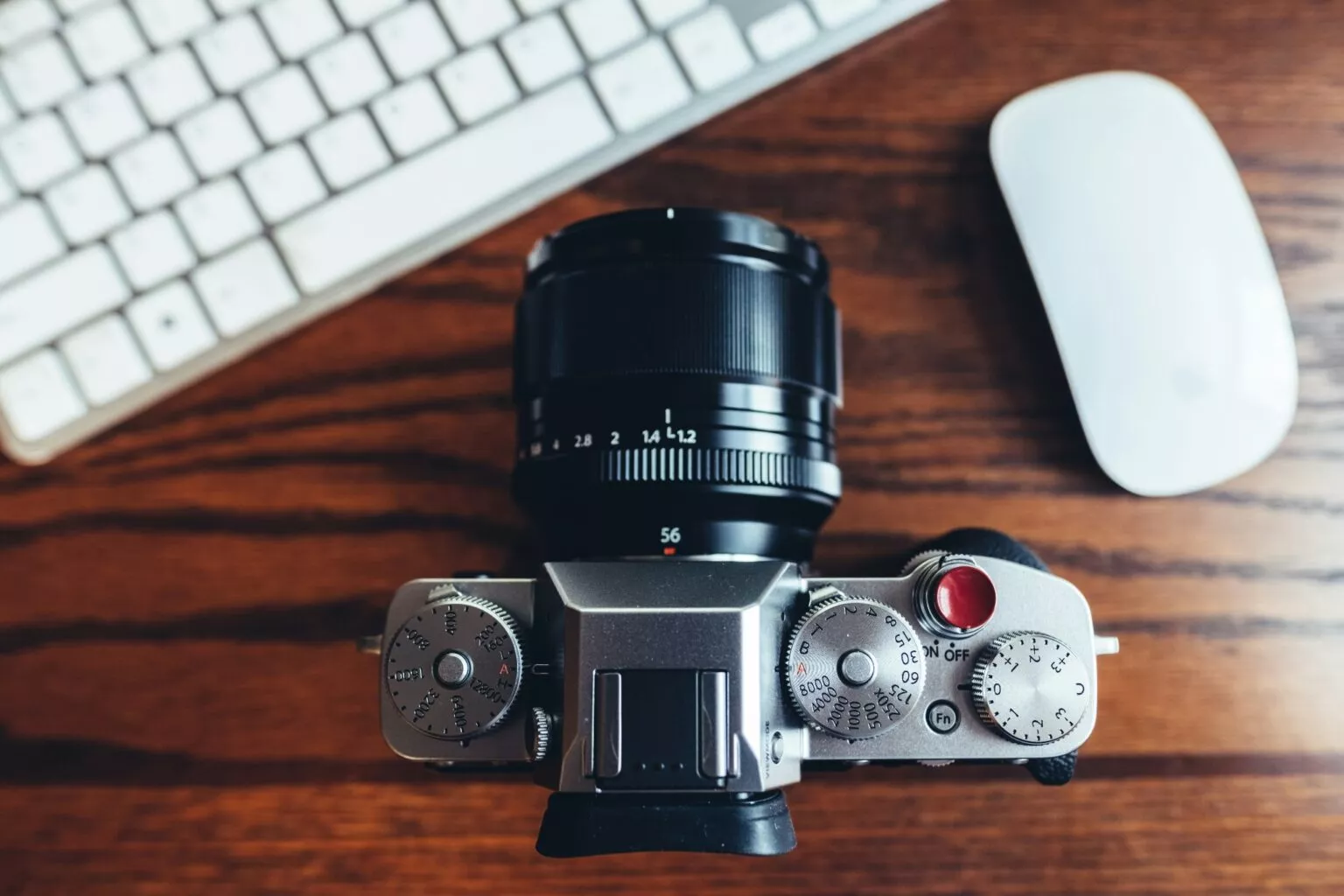
We photographers are always looking to shoot in low iso, because we want clean images that are great in detail and free of noise. Modern cameras have great performance in high iso values but care needs to be taken while shooting and post processing. It is not always possible to keep changing the iso when out in the field, and these are the times when auto iso will be hugely helpful. This article discusses how to use auto iso on your camera.
Is Exposing To The Right Still Relevant?

Exposing to the right is more like positive exposure compensation and it is a technique where you expose the image to shift the histogram to the right, but without clipping the highlights. This technique is used to improve the dynamic range and capture details in the shadow regions without introducing noise. This article discusses this is more detail.
Understanding Diffraction – The Silent Killer Of Your Photos’ Sharpness
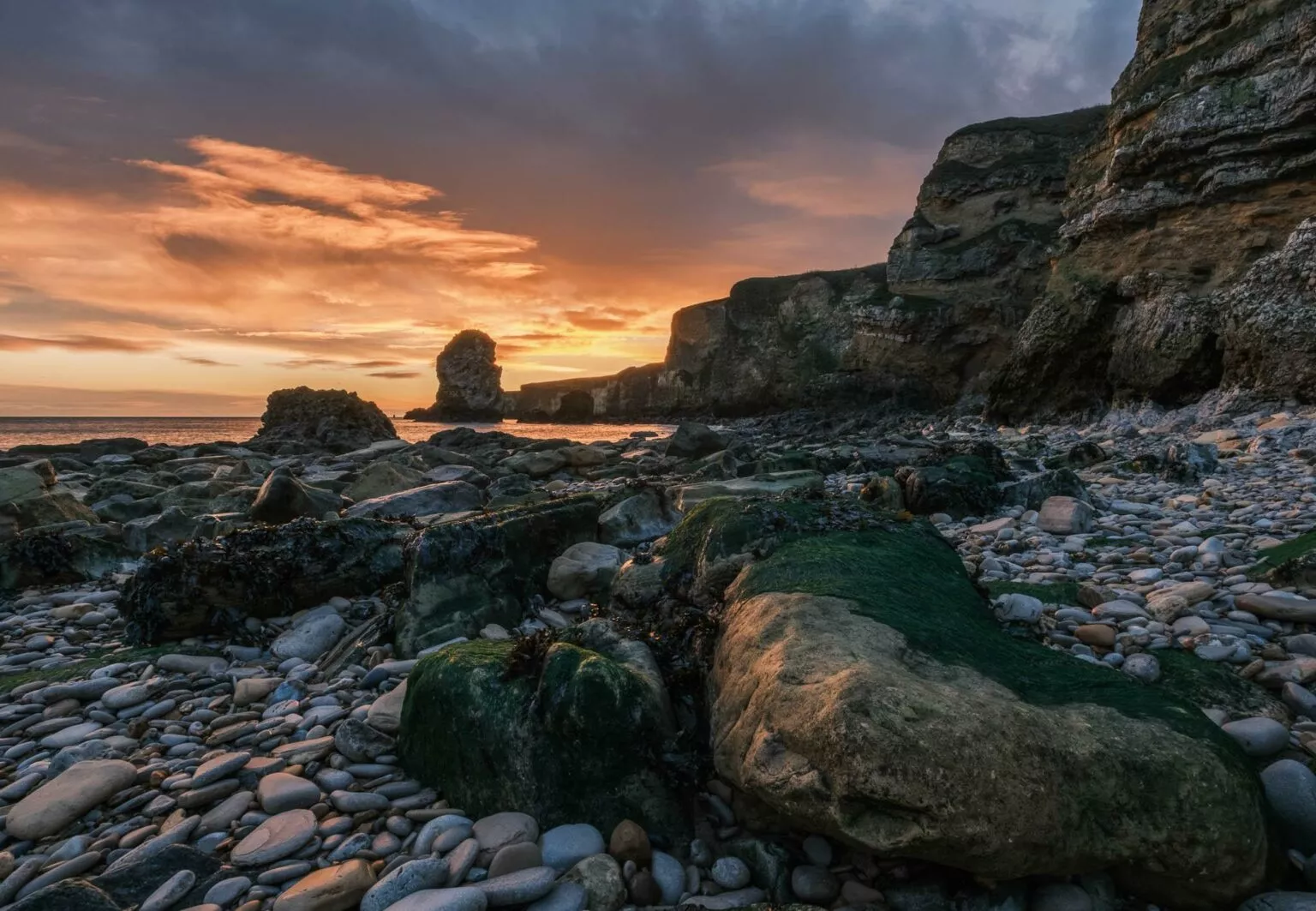
Diffraction is bending of light waves around the edges of obstacles and we would all have carried out diffraction experiments in our physics lab at school to understand this property of light waves, etc. In a lens, when we close down the aperture, diffraction occurs and it can make the image less sharp – more soft looking. This article will help you to understand diffraction in your lenses.
Viewfinder/LCD Tools You Really Should Be Using

A camera's viewfinder is a great tool in digital cameras to quickly see or make any required changes to settings while shooting and also a great tool for live-view, but there can be a lot going on in the screen that can be confusing and distracting. It is good to set your viewfinder for effective use and this article discusses the tools you should be using.
Photographic Composition: The Devil Is In The Details
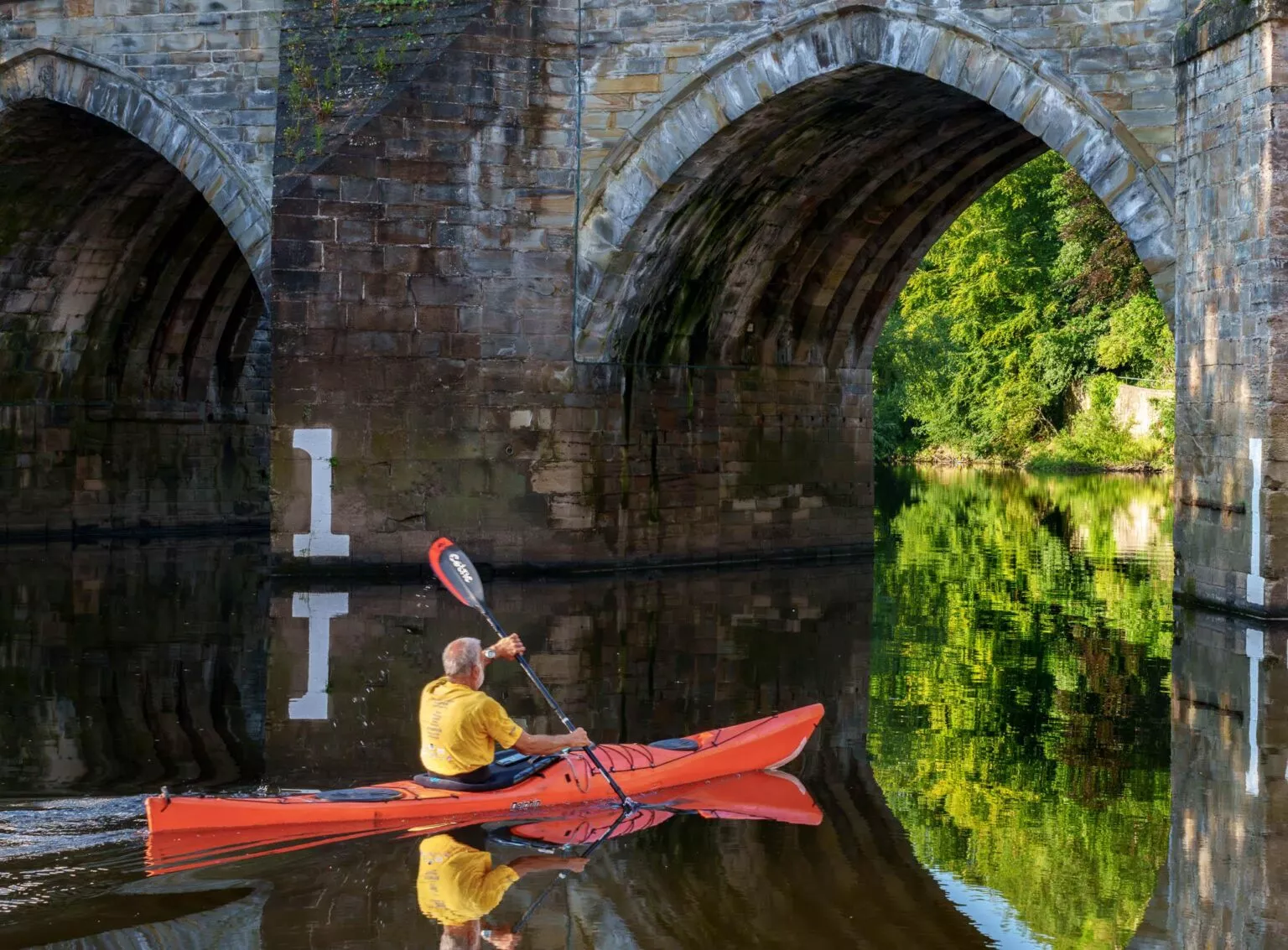
A lot of photographers are used to pointing a camera at a particular scene and then shooting it – more like point and shoot, but fail to notice or even capture the details in the vast scene. When you break down a scene, and observe the individual elements, you will notice that there are a lot of frames that can be captured from a single grand scene which can also improve the storytelling part of photography. This article discusses how the story is in the details involved when it comes to photographic composition.
Why You Should Embrace Your Photography Fails

Whatever our experience is in photography, we all make mistakes from time to time and sometimes a mistake can lead to a creative discovery or technique or, you can use that mistake as a chance to learn. When it comes to photography, the more you practice and the more you shoot, the better you will improve as a photographer. This article discusses why you should embrace your photography fails.
This Will Improve Your Photographic Creativity In One Hour
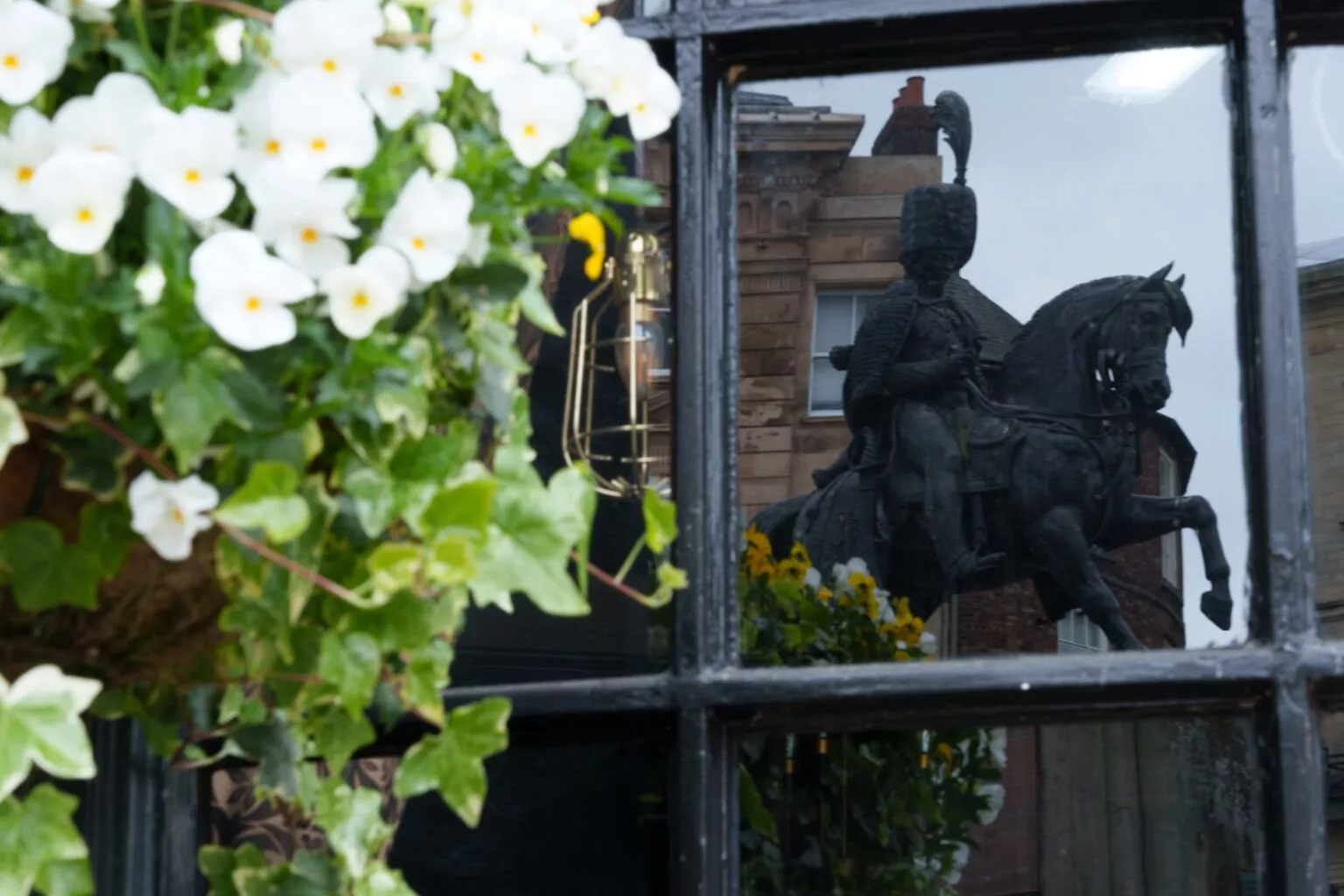
In this digital era of photography, we all tend to overshoot. We have most of the time lost the art of slowing down, observing and capturing compelling shots, rather, we try to capture everything that we see or come across. To improve the creative part in photography, we can practice by setting certain limits to us in terms of time, number of photos, a particular location shot at different days, a single focal length and so on. This article talks about improving your photographic creativity by restricting yourself to shoot for just one hour.
Prime Time, Using One Lens To Boost Your Creativity

When you are beginning in photography or when you are experienced, but want to push your limits, it is a good idea to shoot with just one lens, with fixed focal length. This can help you to move and find angles and perspectives that can suit the scene and subject you are shooting. The limitation of a single focal length can help you to think and capture photos creatively. Find out how using a prime lens can boost your creativity.