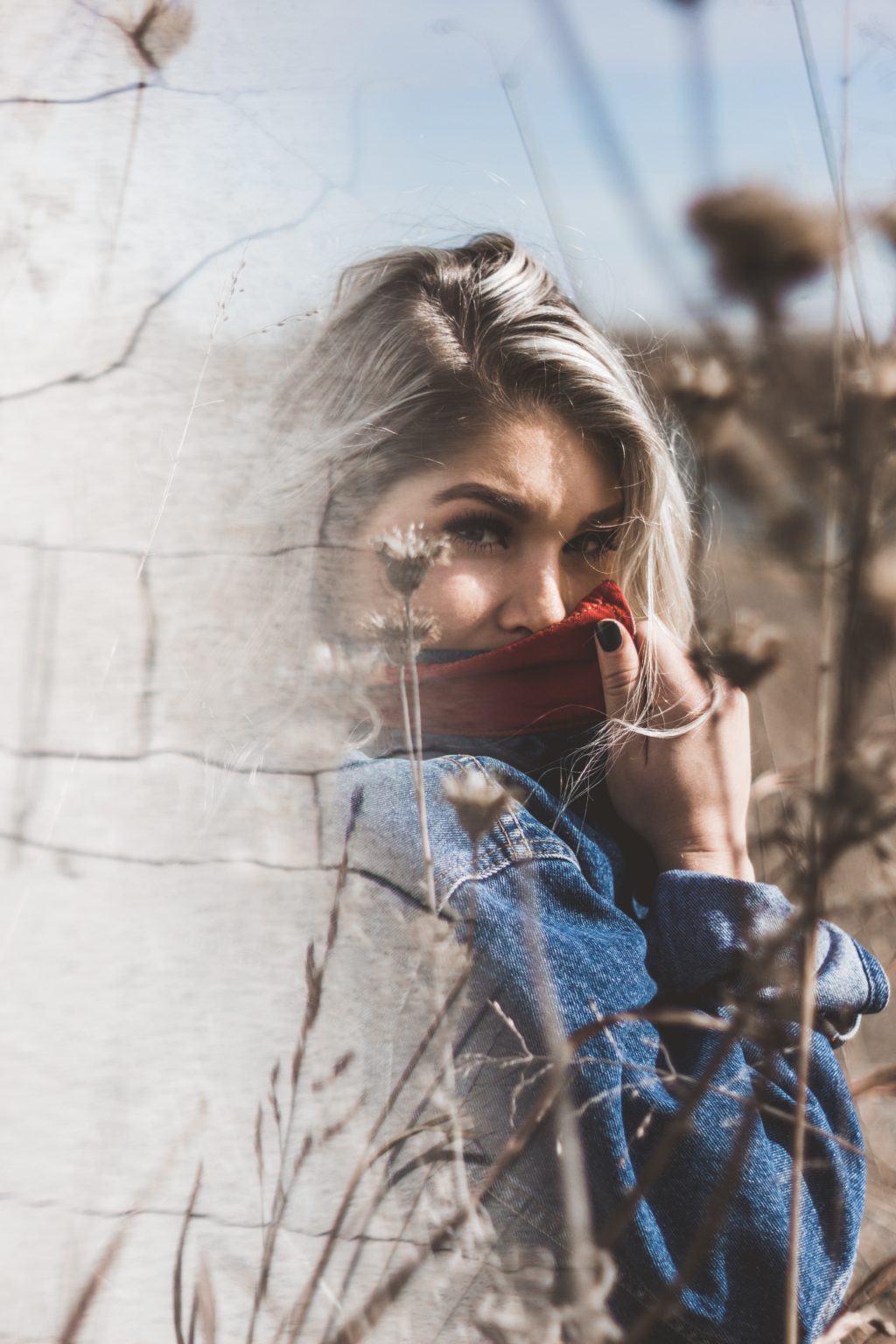
A lot of beginners take up photography and start shooting straightaway without understanding the basics. They end up capturing snapshots, while they could have captured much better photos if they'd had a good understanding of the basics in photography. Understanding the basics when it comes to camera settings will help to make creative decisions when out in the field based on the light, and other conditions.
Here are some tutorials, that will help you to understand basic camera settings and capture better photos.
Get To Know Your Camera’s Buttons & Dials With Ease
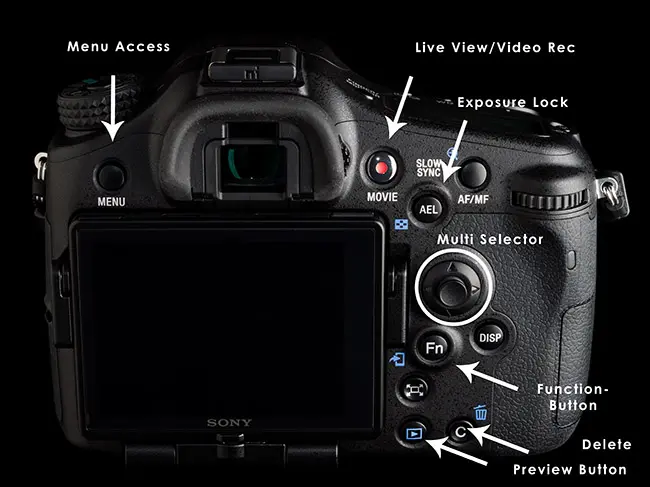
A lot of beginners get intimidated by the buttons and dials on their camera, while some get attracted and love them. Getting to know these buttons one-by-one and regular practice will help to understand their purpose and make photography easier and more enjoyable. This article uncovers the basics of the most useful buttons and dials on your camera.
What Is Aperture: A Beginner’s Guide To Aperture In Photography

The aperture is the opening in the lens that allows light to enter the camera and fall on the sensor. It opens and closes based on how you control it and is one of the deciding factors in how much light is let in. It also helps to capture images creatively and this article is a beginner's guide to understanding aperture and its role in controlling exposure and depth of field.
Getting Started with Shutter Speed: A Beginner’s Guide
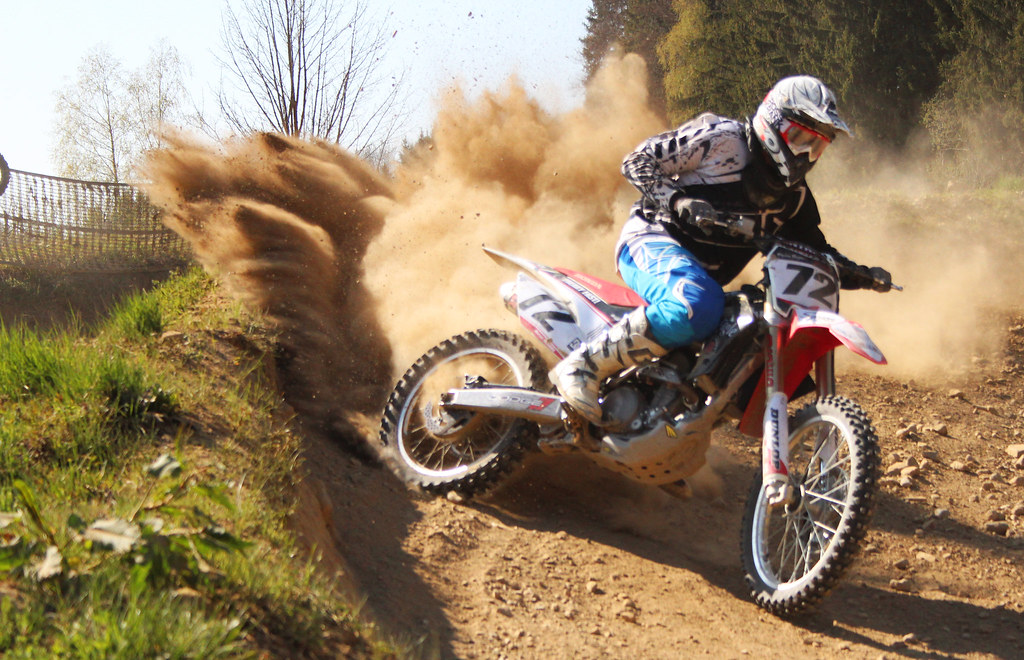
Shutter speed is the length of time the shutter is open to allow light into the camera and fall on the sensor. It depends on the values you set and helps with capturing images creatively – shorter speed for freezing moments or longer exposures to capture movements. It is also one of the factors that controls exposure in images. This article is a beginner's guide to understanding the basics of shutter speed.
What Is ISO In Photography?
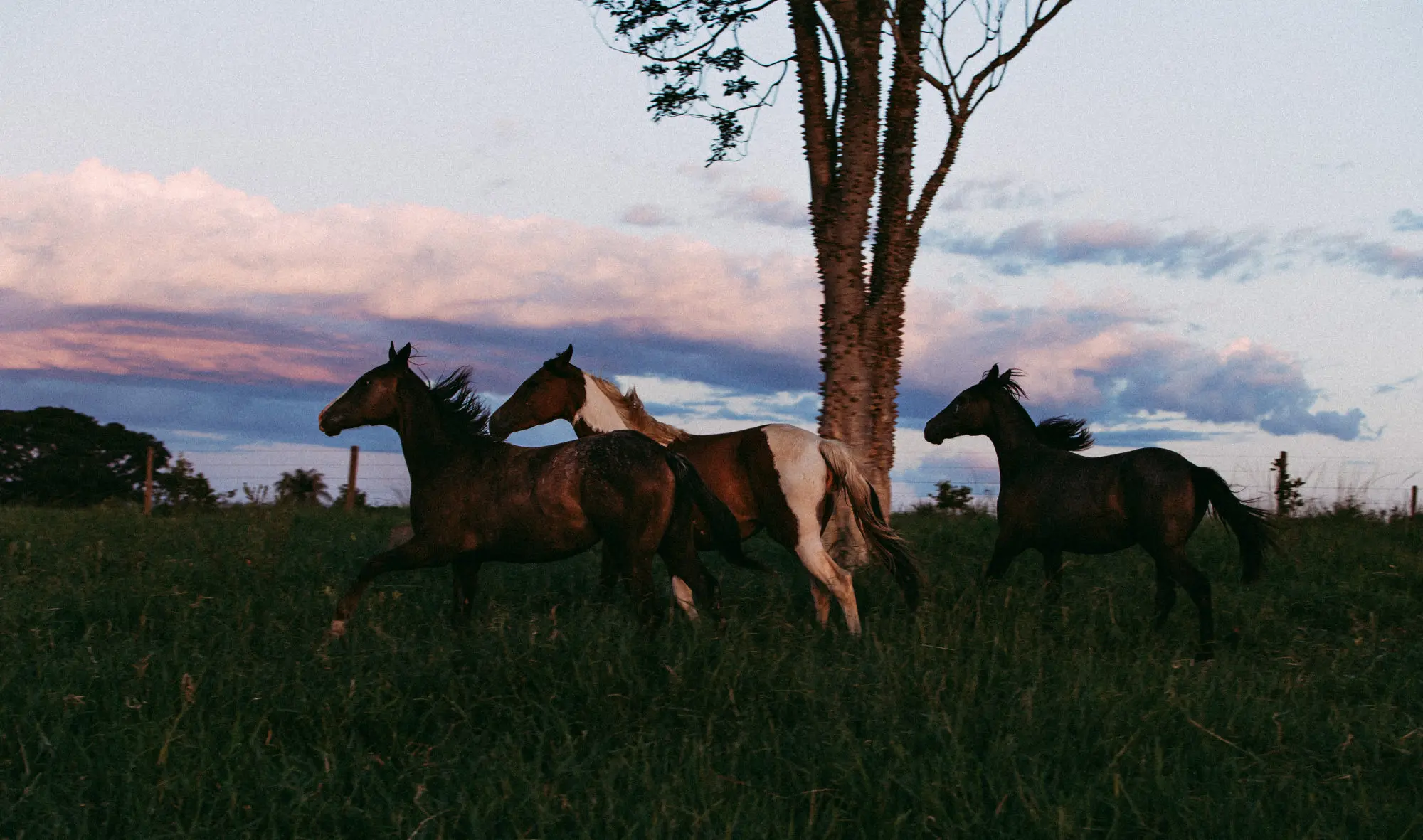
Iso is the camera's ability to capture light – it is a measure of how sensitive the camera's sensor is to light. Increasing or decreasing the iso can make the camera's sensor more or less sensitive to light and therefore make the image brighter or darker. Along with aperture and shutter speed, the iso also helps with controlling exposure in images. This article is a detailed guide to understanding iso in cameras and photography.
The Exposure Triangle And How It Affects Your Photos
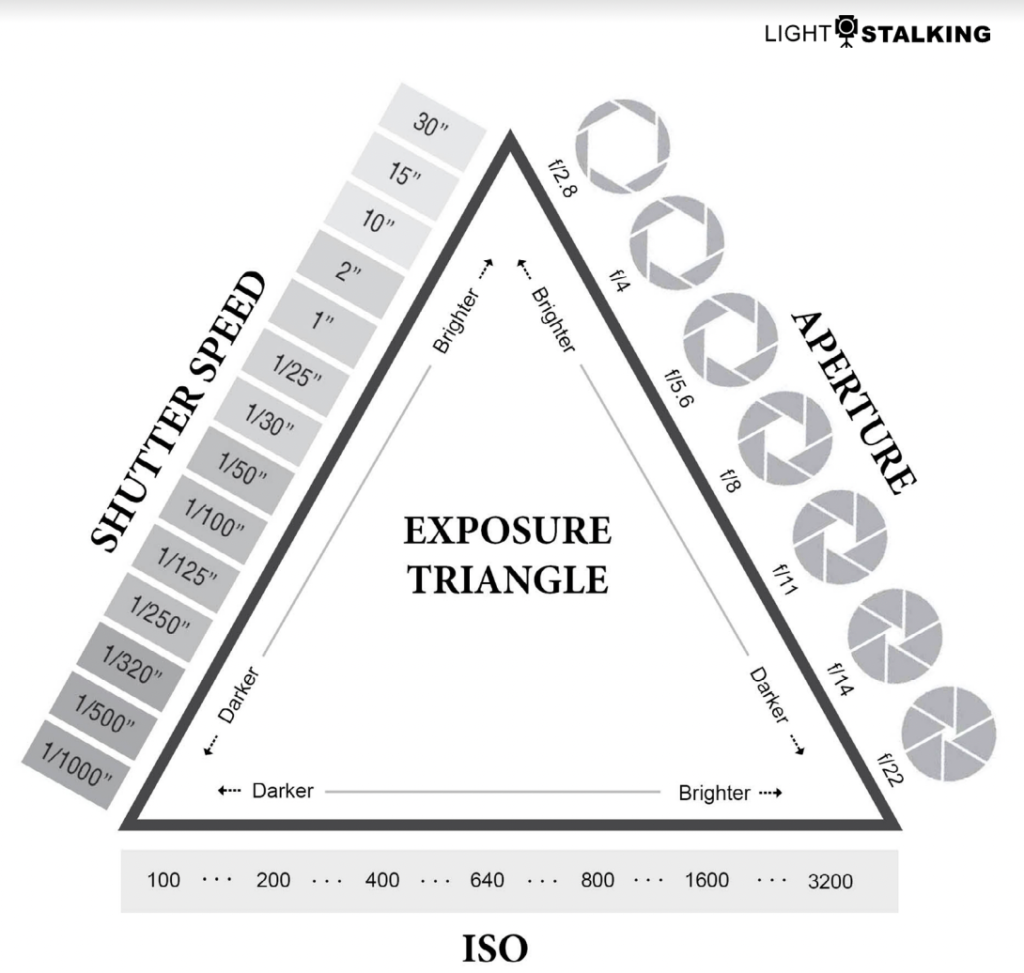
Understanding the exposure triangle is important to make creative decisions on the field and the three factors that form the exposure triangle are the aperture, shutter speed and iso. Changing one of these values for a given exposure means, you will need to change the values of one or more of the other to get the same exposure. This article will help you to understand how the exposure triangle works.
Depth Of Field And How to Use it for Better Photos
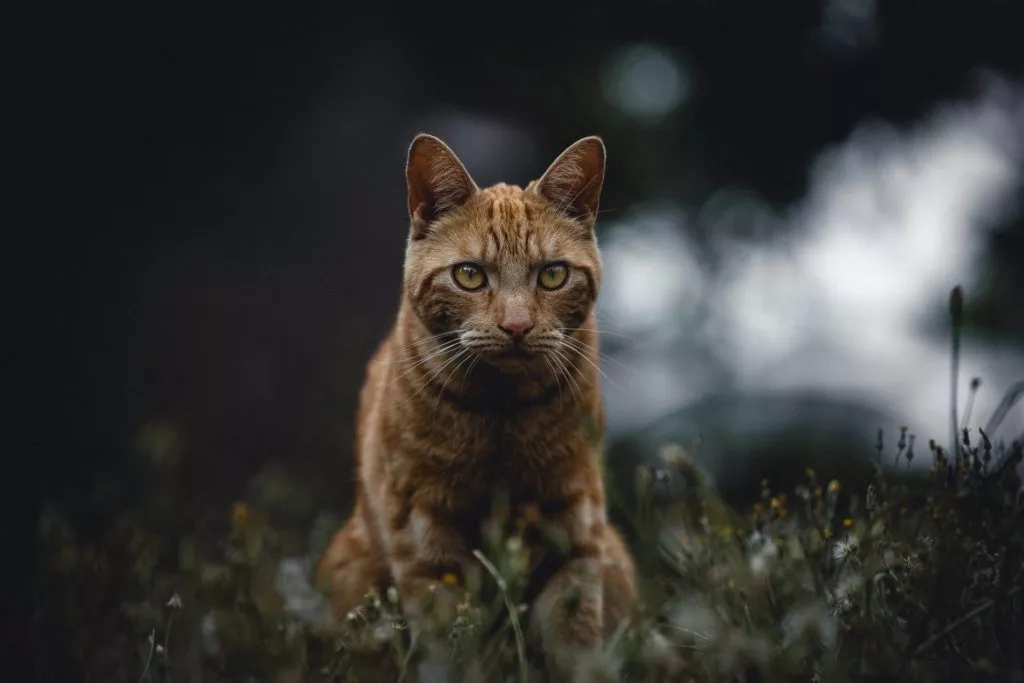
Depth of field is the area, depth or zone that has acceptable sharpness in an image. It is also called depth of focus sometimes. The distance between the nearest and farthest planes that are acceptably sharp is called the depth of field. Aperture is the factor that decides or controls the depth of field while it also depends on a few other factors like camera's sensor size, focal lengths, distance etc. This article is a great resource to understand depth of field in great detail.
Bite Size Tips: How to Get the Perfect Exposure with a Histogram
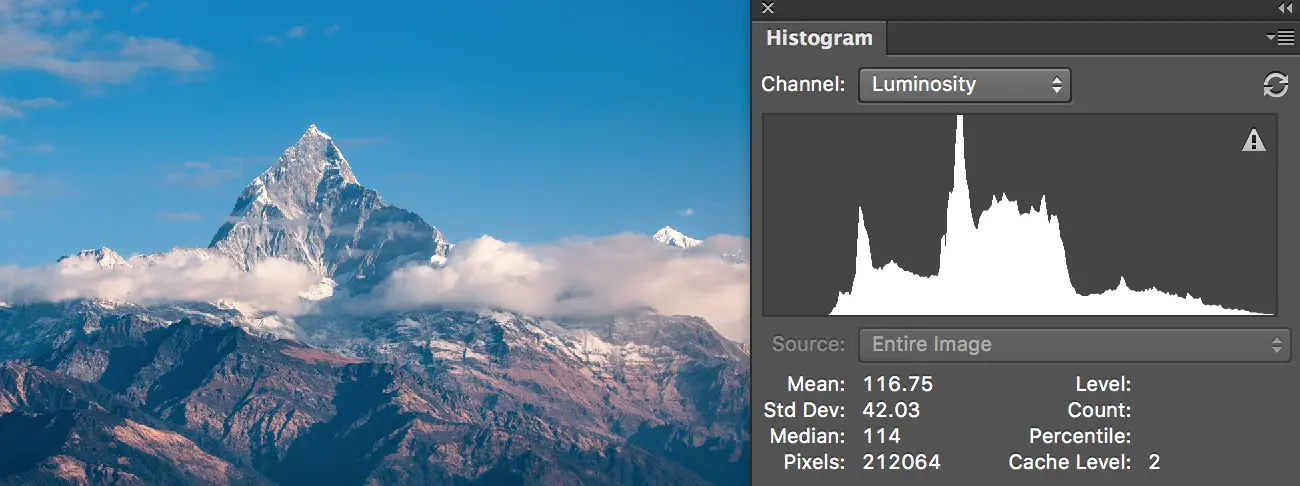
The histogram is a powerful tool in photography and will help you to make decisions on good exposures, especially in tricky light conditions. It is a graphical representation of the tonal values in a photo with the x-axis representing the tonal variations and the y-axis representing the amount of pixels for each tonal value. This article is a quick but detailed guide to understanding the histogram, so you can take better photos.
How to Set Your White Balance Manually
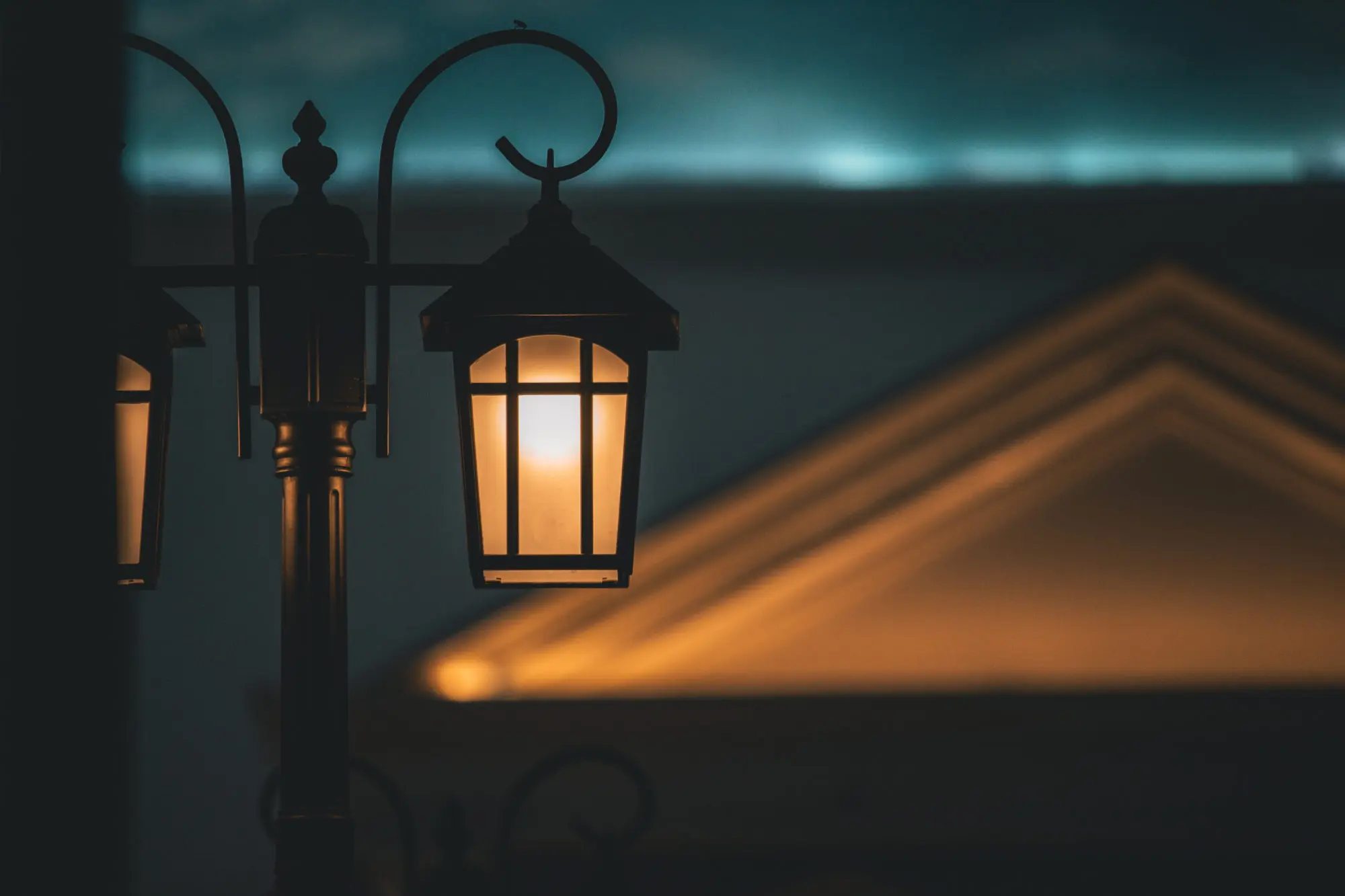
White balance represents the colour temperature of a photo – that is how warm or how cool the colours look in your photograph. When we capture photographs, we want the colours to look natural and this can be achieved with the help of the right white balance setting. Although the camera comes with presets for different light conditions and auto white balance settings, knowing to set the white balance manually will be of great help and this article discusses that in great detail.
A Basic Introduction To Understanding Metering Modes
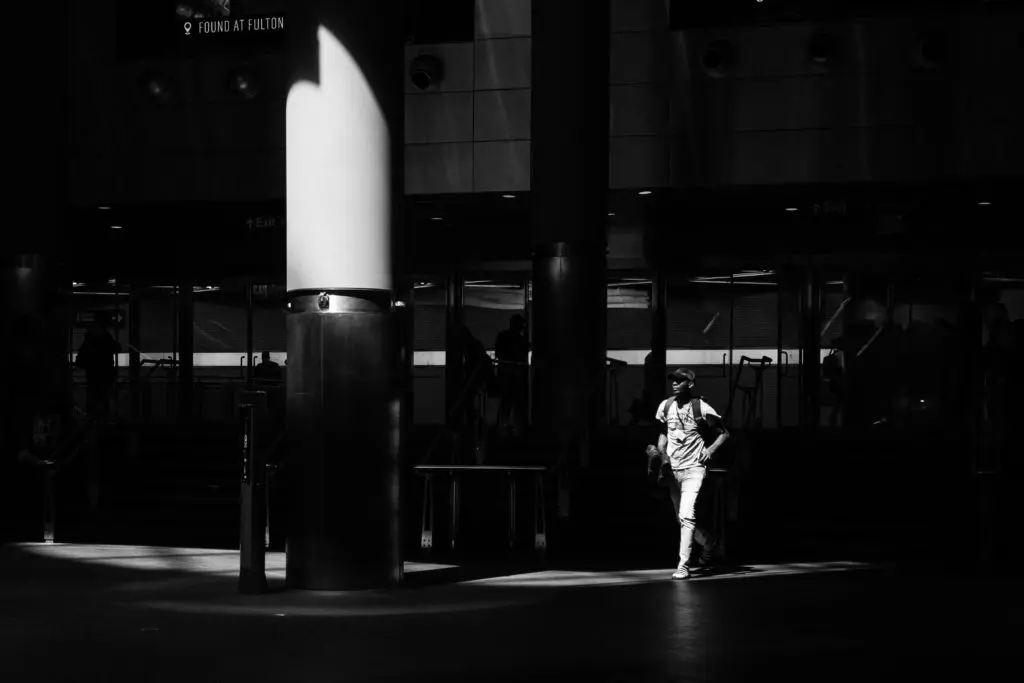
A lot of beginners in photography do not care to make use of the various metering modes available in cameras. It can seem quite complicated and understanding these modes come with practice. With metering modes, using them in the right situation will help to capture shots creatively and with the right exposure. Cameras come with a few metering modes and this article discusses these modes and explains their roles in determining exposure.
How to Shoot in Manual Mode
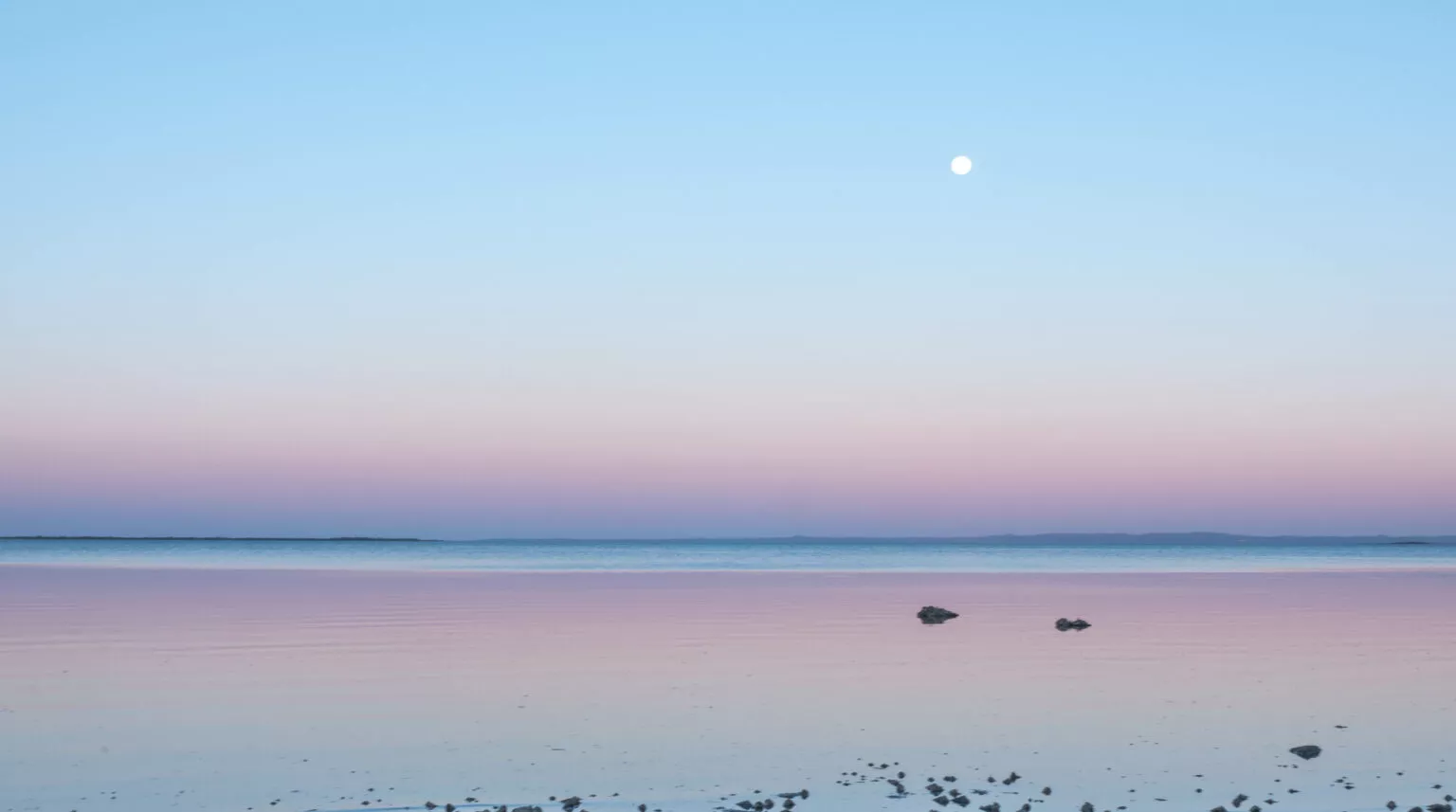
Beginners in photography are usually confused about manually making settings to control exposure. It is quite a complicated experience till you understand the exposure triangle and after that, if you have time to slow down and continue your photography, you will enjoy using the manual mode, especially when shooting portraits, landscape, still life, astrophotography, etc. This article discusses how to start shooting in manual mode.
Why Aperture Priority is the Most Preferred Shooting Mode by Photographers
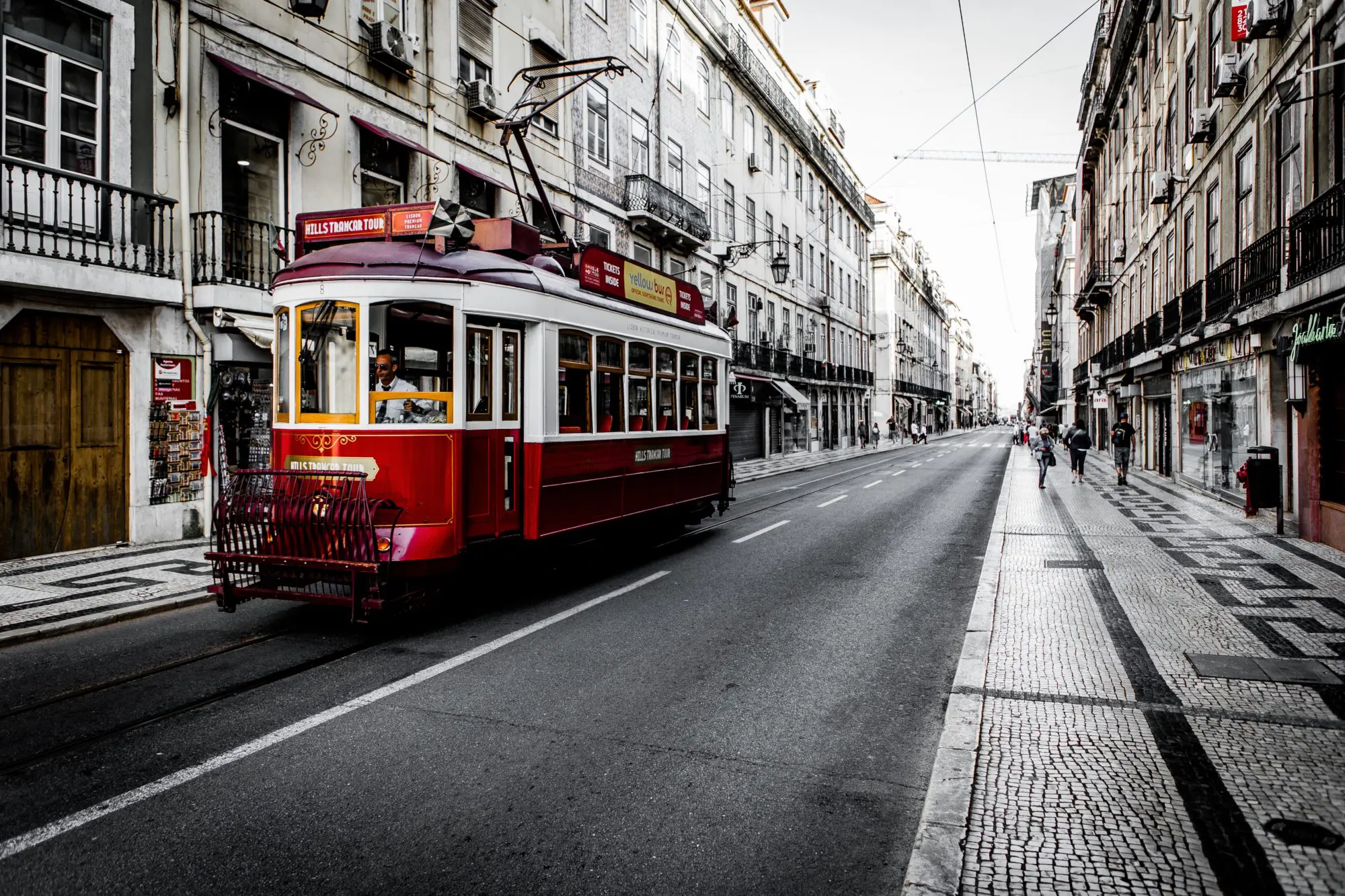
Manual mode in photography is interesting and allows the photographer to be creative but there are times when you cannot make changes to each and every photo that you capture. For example, when you are capturing events, sports, wildlife, etc., you may want to quickly make changes to exposure settings on the field and doing that often means you may miss the most important moments. So modes like aperture and shutter priority come in handy and aperture priority is used in situations where the aperture settings are a priority above the other settings. This article discusses that in great detail.
Shutter Priority Mode: A Beginner’s Guide
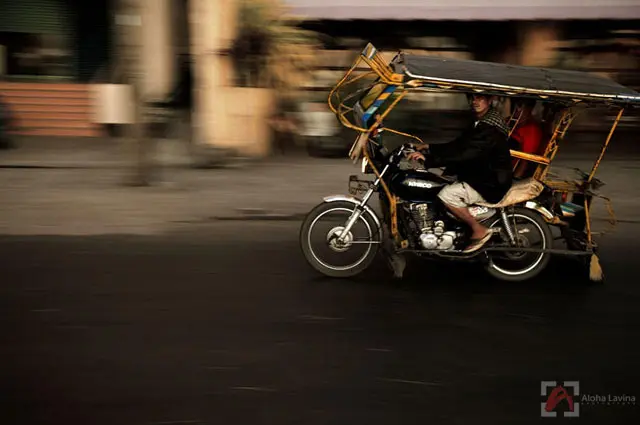
When it comes to sports and wildlife photography where shutter speed is of high priority, manual mode cannot always be helpful. Sometimes you may want to shoot at optimal speeds but when the subject is moving, you will want to shoot at faster speeds while also keeping an eye on the iso values. In these situations, shutter priority mode can be very helpful and this article discusses that.