
Black and white photography is classic – timeless and at some point, all photographers dive into this genre and some stay with it. While black and white photography can look simple, for example removing the colours by dragging the saturation slider all the way down to the negative side, it is not how you convert images to black and white.
Since there are no colours in black and white images, it solely depends on tonal variations, depth, shapes, forms, textures, etc. Capturing black and white landscapes means, you need to make sure you pay attention to these factors in order to capture effective shots. Here is a list of tutorials that will help you to capture stunning black and white landscapes.
Note: Not all of these tutorials are aimed specifically at landscapes, but these tips apply to capturing beautiful black and white landscapes and other subjects.
Five Keys to Better Black and White Landscapes

Although landscapes look beautiful and vibrant in colour, their black and white version evokes a certain emotion that colour versions do not. Black and white photos speak to us in terms of light and shadows, contrast, tonal variations, shapes, forms, etc. Taking these factors into account will help to create powerful black and white landscape photos and this article discusses that.
Capture And Edit Stunning Fine Art Black And White Photographs With These Tips
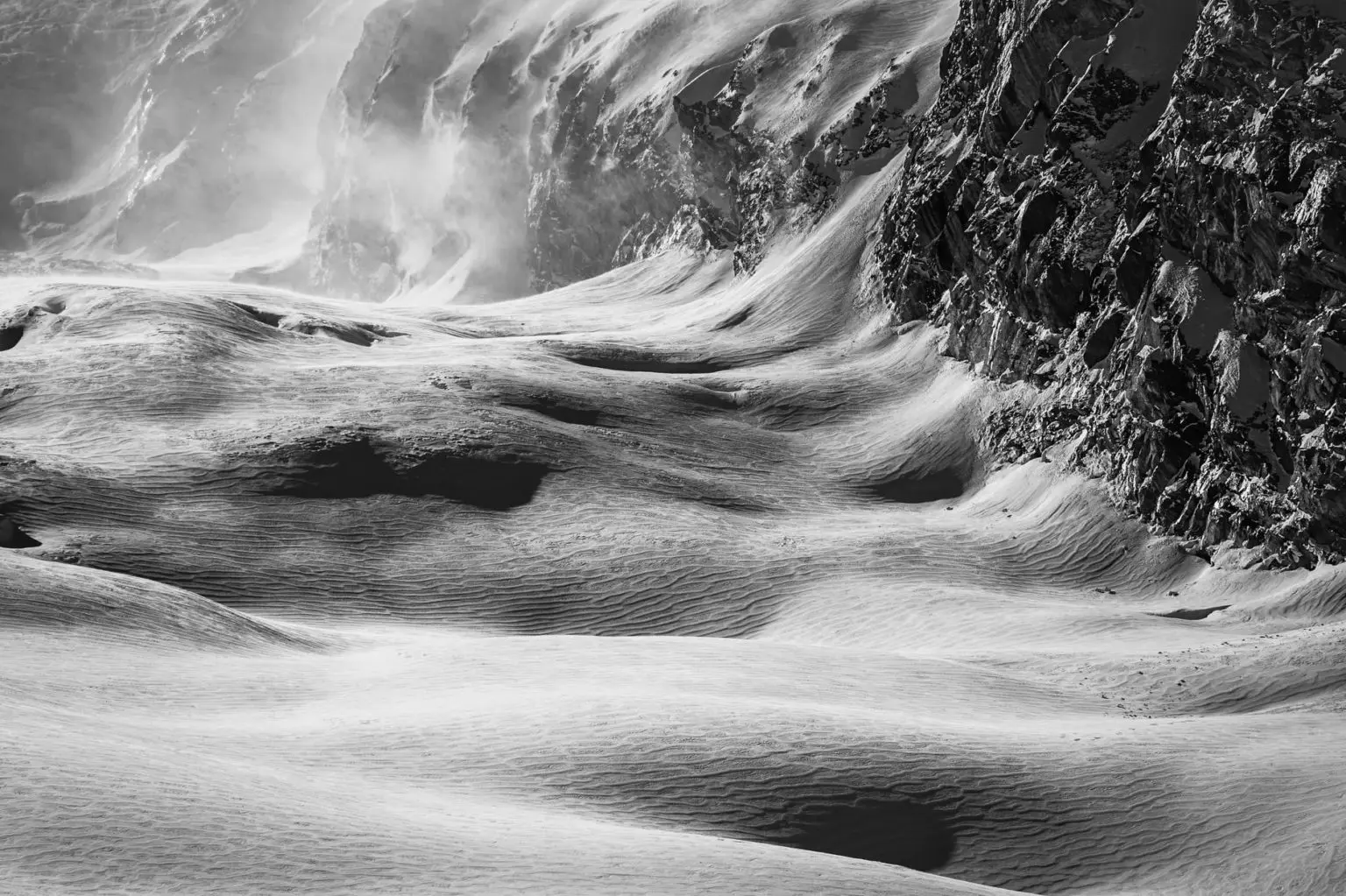
When shooting for black and white landscapes and other scenes, it is important to choose compelling subjects and supporting elements along with powerful compositional guidelines. Lines, shapes and forms help to add depth and meaning to a photo while keeping the viewers engaged. Choosing the right angles and perspectives are also important because it changes how you see the light falling on the landscape transforming the look of the landscape and the elements in there. This article discusses how to capture and edit fine art black and white photos.
5 Ways To Tell If A Shot Will Make A Great Black and White

When shooting for black and white, a few factors need to be taken into account in order for the photo to work well. If you look at a great black and white photo, it will have a good tonal variation and this added with depth and textures will give a three dimensional look to the photo. This article discusses some ways to tell if a shot will make a great black and white photo.
How to Use Your Eyes to Create Better Black and White Images

When you are in front of a landscape or any scene that you wish to convert to black and white, you need to learn to imagine how it would look in black and white. Look at the elements in the landscape and see how light interacts with them, look for textures and shapes that add interest when light falls on them at a particular angle and intensity, look for contrasts in terms of light and tones. Practicing these and capturing images consistently for black and white, will help you to master this art. You can learn from what you photograph and see what needs changing. This article discusses how to use your eyes to create better black and white images.
5 Things To Think About When Getting Into Black And White Photography

If you are looking to take up black and white photography, there are some things to keep in mind and some skills that you need to master. When it comes to black and white photography, there are various looks one can achieve during black and white conversion and each depends on the photographer's creative vision and visual appeal. Not all scenes or images will work great for black and white and the right choice of colours are also essential with some work done when post-processing. Here are some things to think about when getting into black and white photography.
Four Reasons You Should Shoot Black And White Photography
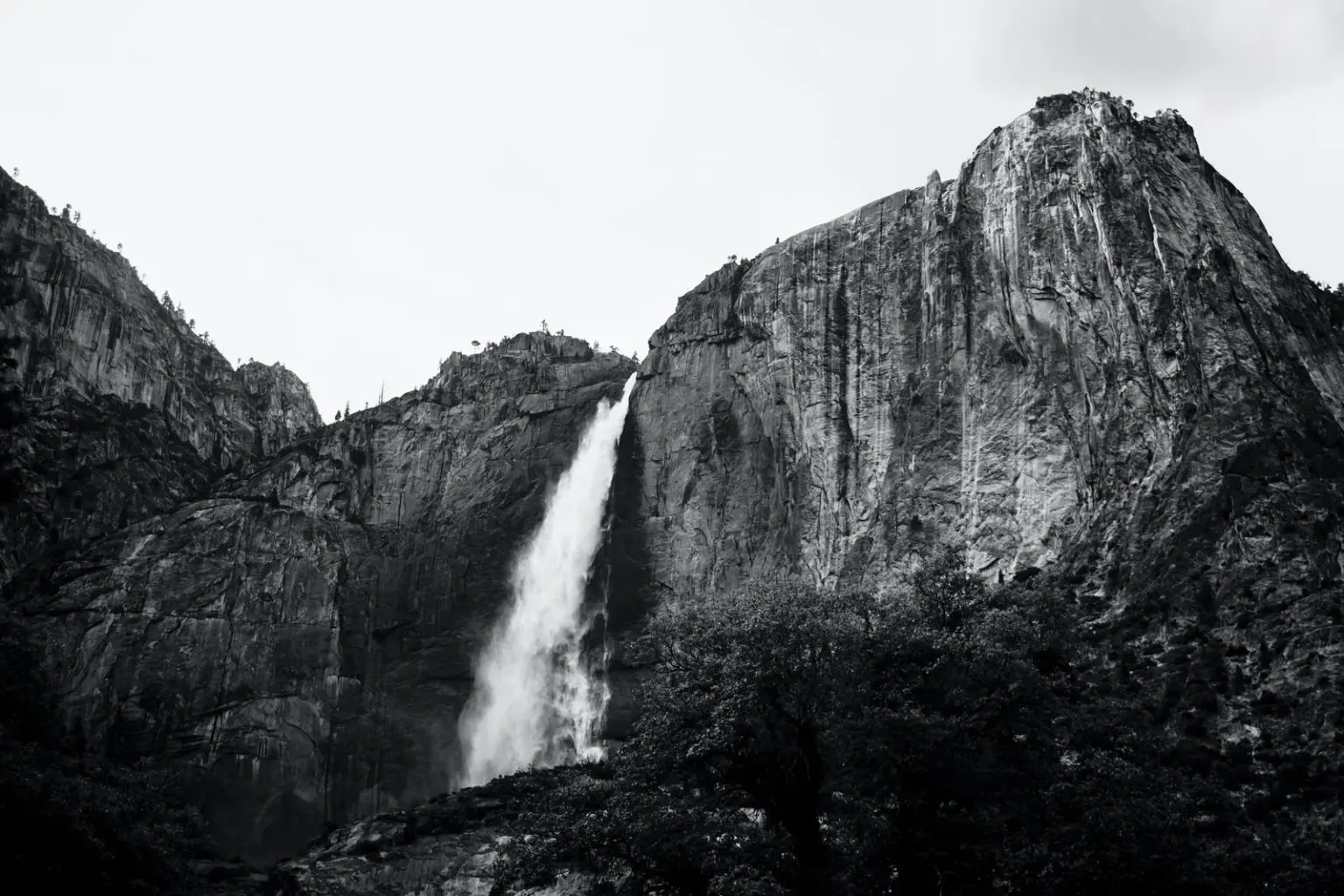
We all love black and white photography, but some photographers do not take serious effort and time to convert images to black and white. Black and white has many advantages over colour images – it is classic, light, lines, shapes, etc., can be used to compose powerful images, it allows the viewer to immerse themselves in the photo without getting distracted by colours, and even harsh lighting works great for black and white photos. Read this article to find out more about the advantages of black and white photography,
This Is How To Decide If A Photo Should Be Color Or Black And White

If you do not have the time to shoot for black and white, you can try converting some of your old photos to black and white photos. This is a great way to master the craft. You can observe and analyse photos based on the colours, tonal contrast, elements and see how they convert to black and white. This will give you an idea on what colours translate to black and white well and what sort of light conditions work well for black and white photography. This article will teach you how to decide if a photo will work well for black and white conversion.
How To Master The Art Of Black And White Post Production
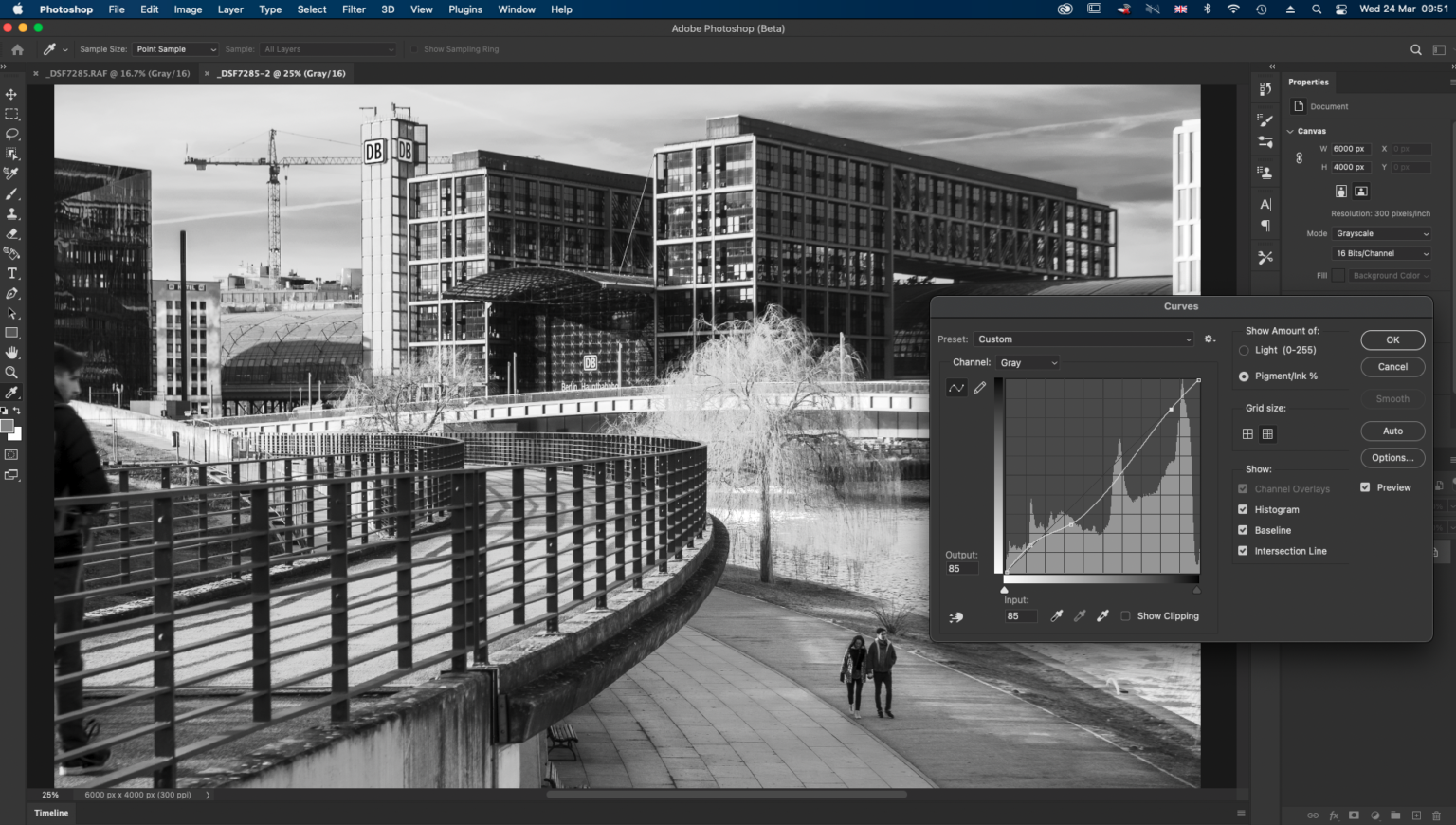
As we know, all images do not work great when converted to black and white. Learning to see a scene in black and white is a skill. You need to look for the light, how the light illuminates the scene and accentuates the textures, creates depth, and how light and shadow play adds beauty and contrast to the scene. After capturing the image in raw format, some important steps need to be followed when post-processing black and white photos and this article discusses those steps. You can also check out this article – How to Use Channel Mixer in Photoshop to Create Amazing Black and White Images


