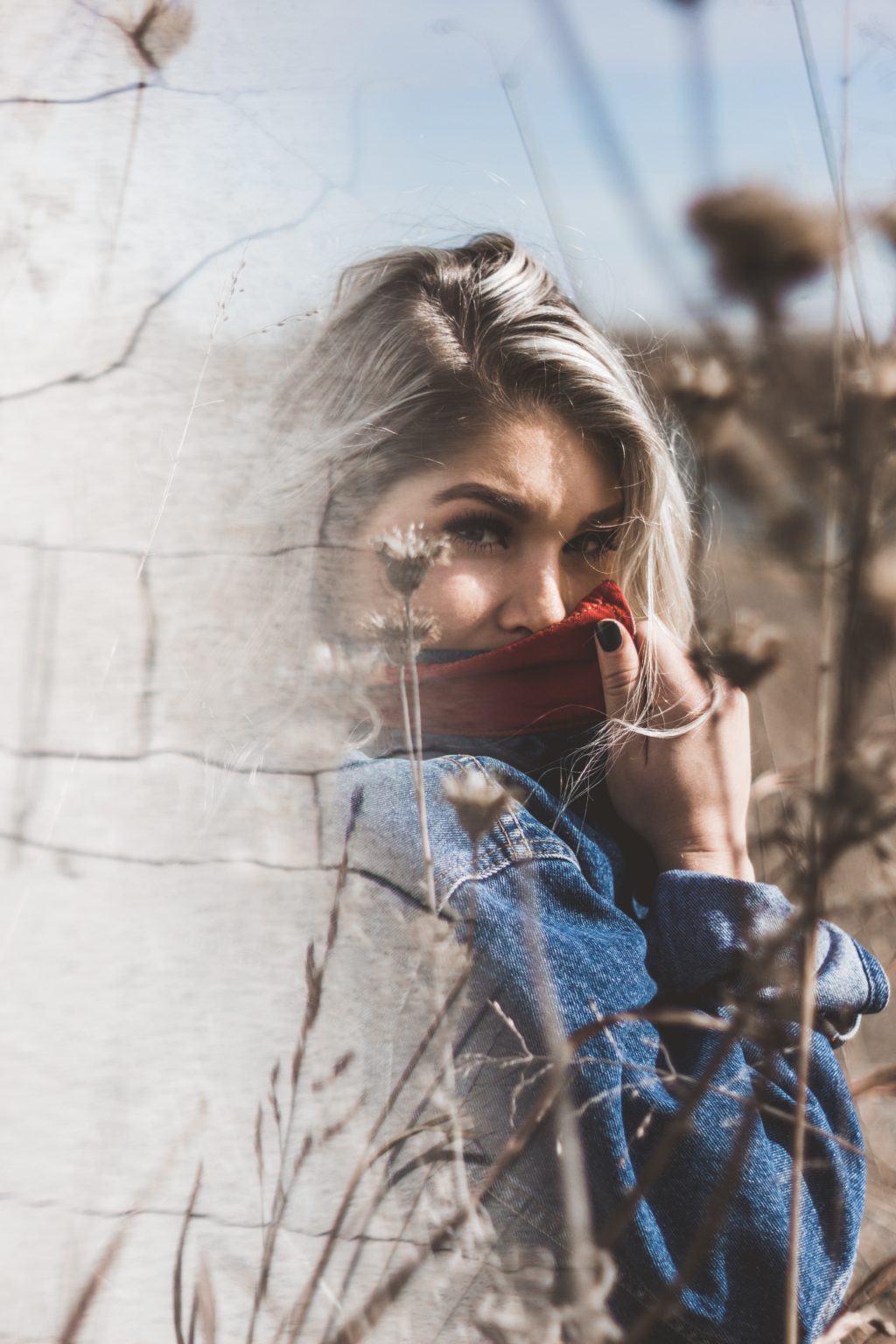
As photographers, it is not always possible to come up with new ideas and techniques to capture photos creatively. There are times when creative block can have a huge impact and the feeling of being stuck can be quite frustrating. When you take up photography, the first thing to master should be exposure and understanding the exposure triangle will help you to get creative.
Aperture and shutter speed can be creatively used in order to capture interesting photos, with the help of creative iso values too. Besides, learning to use the lens and camera creatively, using intentional movements or even using elements in front of the lens intentionally can help to capture beautiful photos. In this article, we have put together a few ideas that will help you to come out of your creative block.
Using A Prism For Creative Photography

You may have checked online or tried for yourself a few DIY hacks in photography. Shooting through Vaseline coated transparent papers, stockings, sieve, etc., are some commonly used DIY hacks and one interesting element or an optical subject that can be used in front of the lens is a prism. Light behaves differently depending on the position of the prism and the way it is placed in front of the lens. When starting out, it is good to put your camera on a tripod and rotate the prism to see how various effects are created. This article talks about using a prism for creative photography.
Try Zoom Burst By Zooming The Lens During Exposure

Have you ever tried zooming your lens in or out (when using a zoom lens) when making an exposure? Even accidental zooms can result in abstract images. If you are looking to create neat zoom burst images, mount the camera on a tripod, use slightly narrow apertures and longer exposure times (1 to few seconds depending on available light) and focus on a subject by zooming in or out. Then zoom the lens out or in depending on your scenario when making the exposure. This article discusses how to create a zoom burst photo in detail.
Capture Exposures For A Harris Shutter Effect Photograph

During the days of film photography, Robert Harris used a device that had three coloured filters separated by opaque sections. This setup was allowed to slide in front of the lens during a long exposure to achieve the Harris Shutter Effect. This had to be done on scenes with moving elements or subjects to see the effect. Harris shutter effect can be achieved in various ways – by using different coloured filters using multiple exposure technique or when post processing and this article discusses that in detail.
A Tricky Technique Called Freelensing – Try At Your Own Risk

Freelensing as the name suggests is a detached free lens in front of the camera, tilted at various angles to get dreamy effects or results. There are a lot of risks involved – the lens is detached, so care needs to be taken to not drop it, also dust can enter the camera and the back elements of the lens. If you have a very old spare camera and lens that you do not mind risking for this experiment, then it can be a great choice. Check out this article to learn more about freelensing and the effects it can produce.
Paint With Light Using Long Exposures

Light Painting is a technique that has been around for a long time and has become increasingly popular over the last decade. It is a form of long exposure photography and during the exposure time, different sources of lights are used to illuminate the subjects and make the exposure in various ways. The ideas and creativity with this genre of photography is endless. If you have never tried light painting before, we highly recommend you to give it a try and this article will help you to get started.
Note: Also check out How To Light Paint Landscapes At Night Using A Drone
Pan Your Camera To Capture Movements
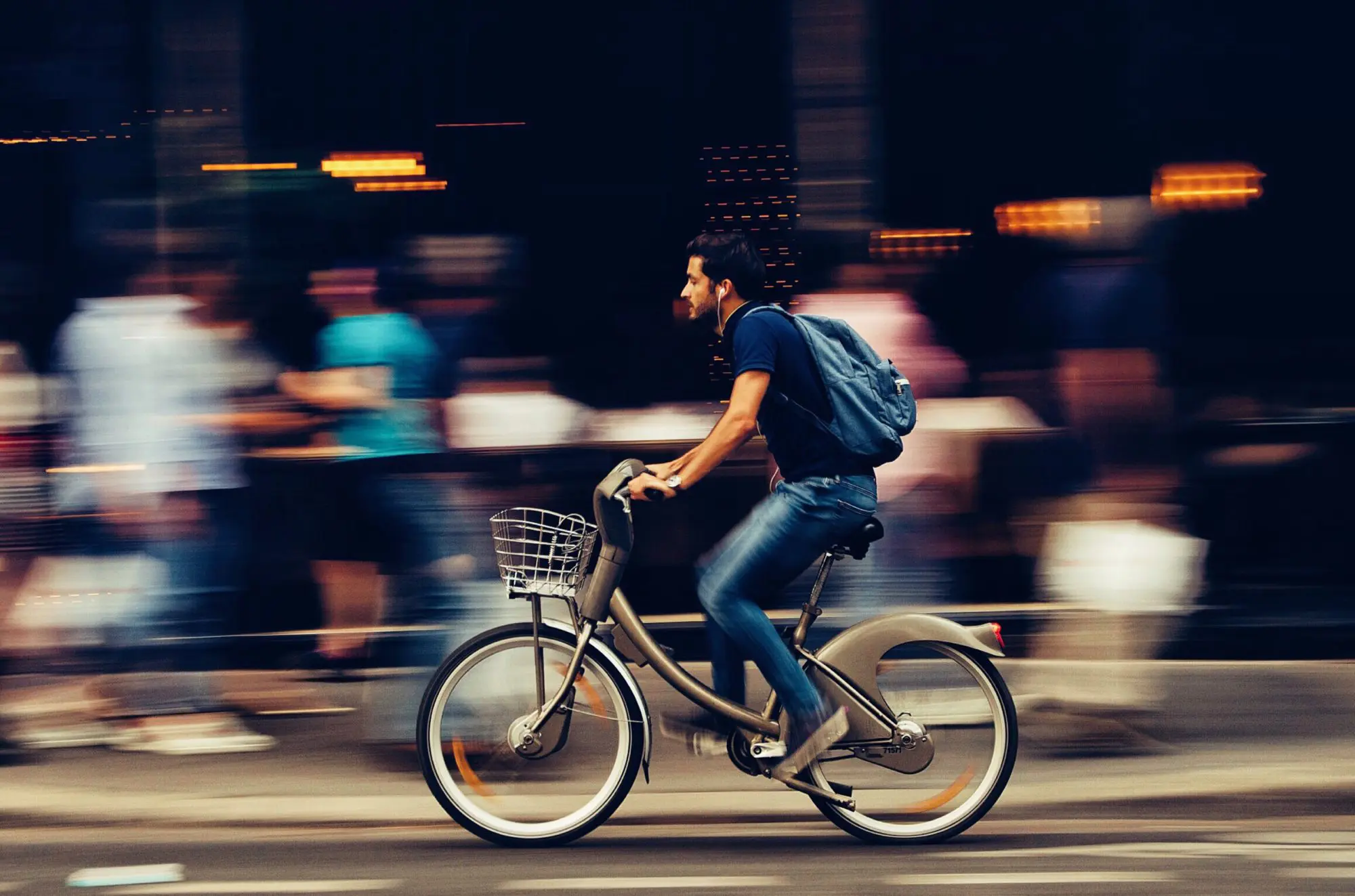
Panning is intentionally moving the camera to capture moving subjects, but in this technique, the most important part of the frame which is the subject, should be in focus. Moreover, this technique is used to photograph moving subjects and the panning technique shows how fast the subject is moving. You need to stand steadily and also need a steady hand while panning, to get the best results, as this is a long exposure technique. A tripod may not be helpful in all situations and this article discusses how to pan for better results.
Try Timelapse – Condense A Long Memorable Event Into A Few Seconds Or Minutes
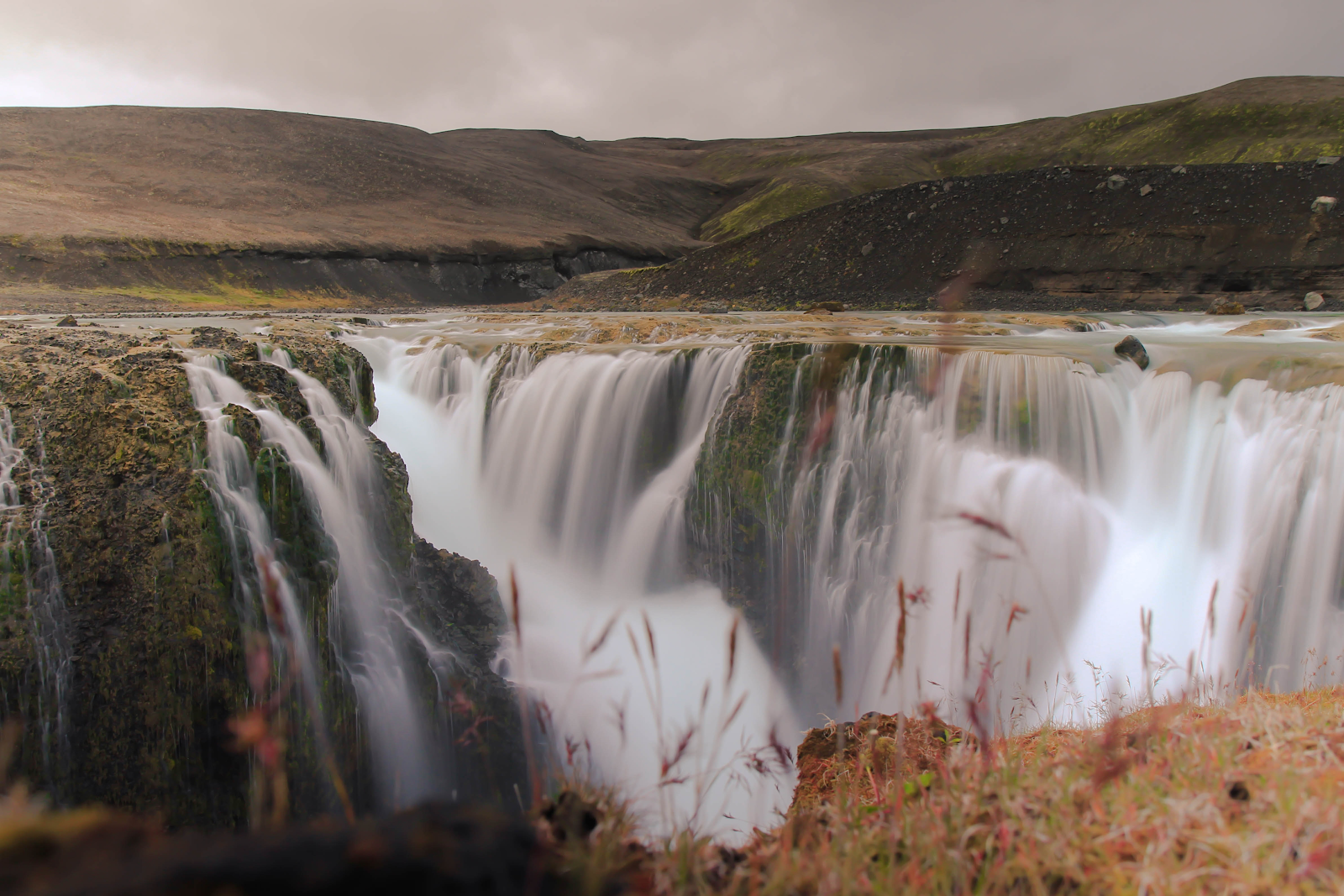
Timelapse photography is amazing. Some events are photographed or videoed across several minutes or hours and photographers may want to condense the event into a few minutes. This is where timelapse photography comes in play and it is capturing sequential photos over a period of few hours and then converting them into a short video of a few minutes. Timelapse photography also looks stunning and this article discusses everything you need to know about timelapse photography.
Note: Also check out this detailed article on How To Set Up Your Camera For Photographing A Landscape Time-Lapse
Intentionally Move Your Camera Creatively For Abstract Results

Intentional camera movement is a technique that can be used to create abstract photos of natural subjects or landscapes. It can also be applied to other genre of photography like street and portraits. You will need to use slightly longer shutter speeds and move the camera in the desired way or you can even rotate it after mounting on a tripod. There are endless possibilities to how intentional camera movements can be used for creative photography and this article will help you to get started.