If you are a beginner in photography, you will need to understand various techniques in order to improve your photography. Of course everyone can point and shoot a scene in auto mode and capture any number of snapshots, but if you understand certain techniques, you can make creative decisions on the field and go home with great photos.
In this article, we have put together some tips that will help you to kickstart your photography creatively.
Understand The Exposure Triangle
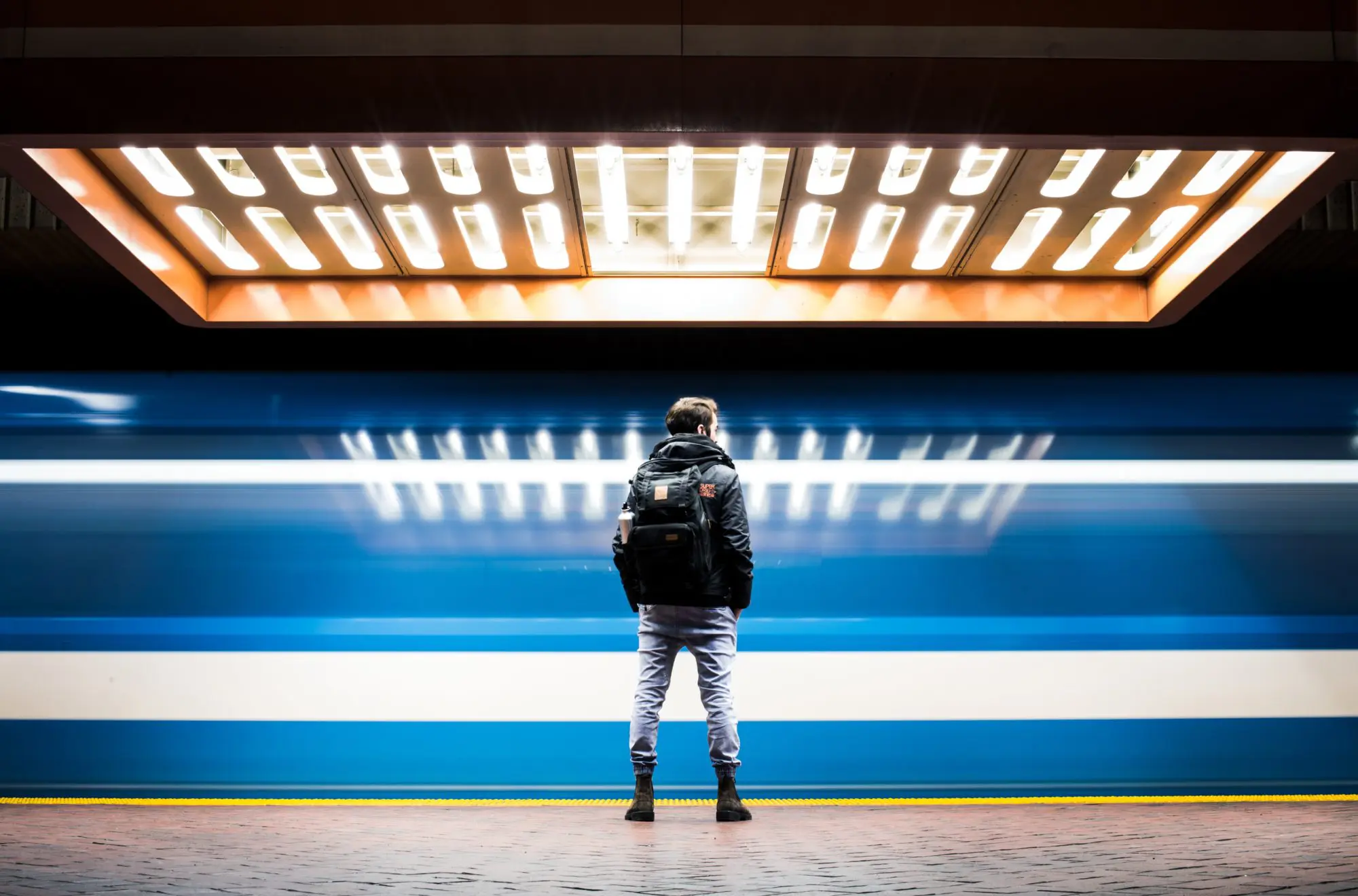
When working with auto mode in your camera, the camera can choose random settings in order to get an exposure. This result may not be creative and give you the desired results. For example, aperture values need to be chosen differently for portraits and landscapes, shutter speeds need to be different when shooting still life and sports. A camera's auto mode will not be able to judge a scene taking into account the subjects or their movements and in order to make effective decisions on the field, you need to understand how the aperture, shutter speed and iso values are related to each other and what happens when you change one or more of these values. Check out this article to understand the exposure triangle.
Also, to understand exposure better, check out A Guide To Reciprocity In Photography.
Learn to Use The Histogram
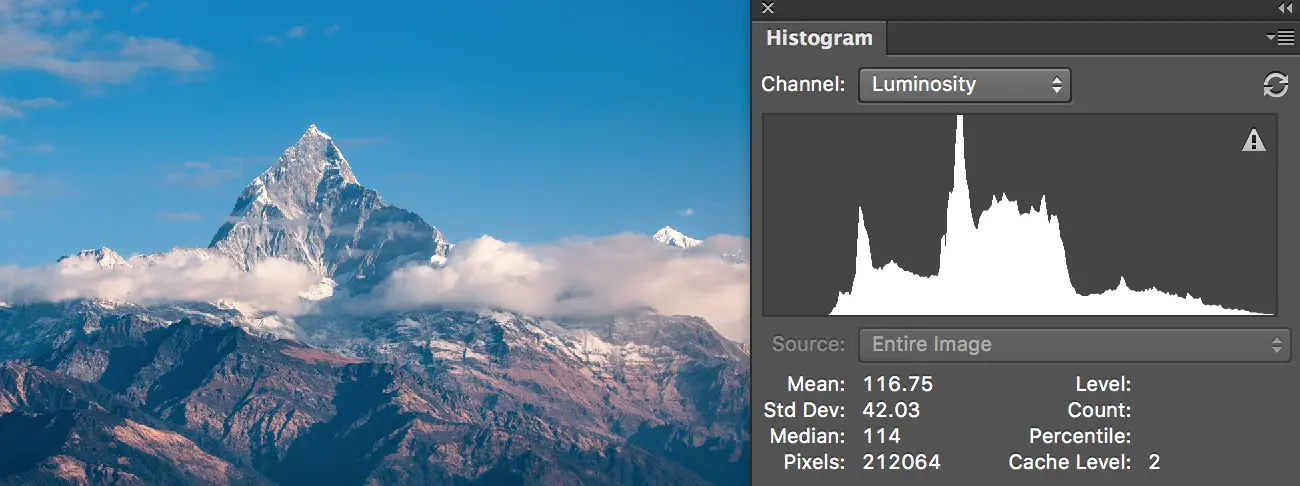
Most beginners in photography are unaware of the term “Histogram” and why it is important for better photography. It can seem quite complicated but it is one of the most useful tools to evaluate proper exposures. In tricky light situations, the camera's light meter will not do a very good job and in order to get the exposure neat in the image in both the shadow and highlight areas, it is important to understand the histogram and use it. Check out this article to learn more about the histogram for better photography.
Also check out,
Start With Aperture And Shutter Priority and Move To Manual Mode

Shooting in manual mode is something that is preached by many professional photographers. While it will help you to understand exposure and make creative decisions, not all scenarios can benefit from shooting in manual mode. For example, if you are a sports or wildlife photographer, with changing lights and subject speeds, you will not be able to make manual adjustments in location all the time, as it will result in missing some very important moments. So based on the scene that you are shooting, subject movements and the results you are looking to achieve, it is important to shoot in aperture or shutter priority. The following articles will help you to understand these shooting modes.
- Why Aperture Priority is the Most Preferred Shooting Mode by Photographers
- Shutter Priority Mode: A Beginner’s Guide
- How to Shoot in Manual Mode
Learn to Control Depth Of Field For Better Photos
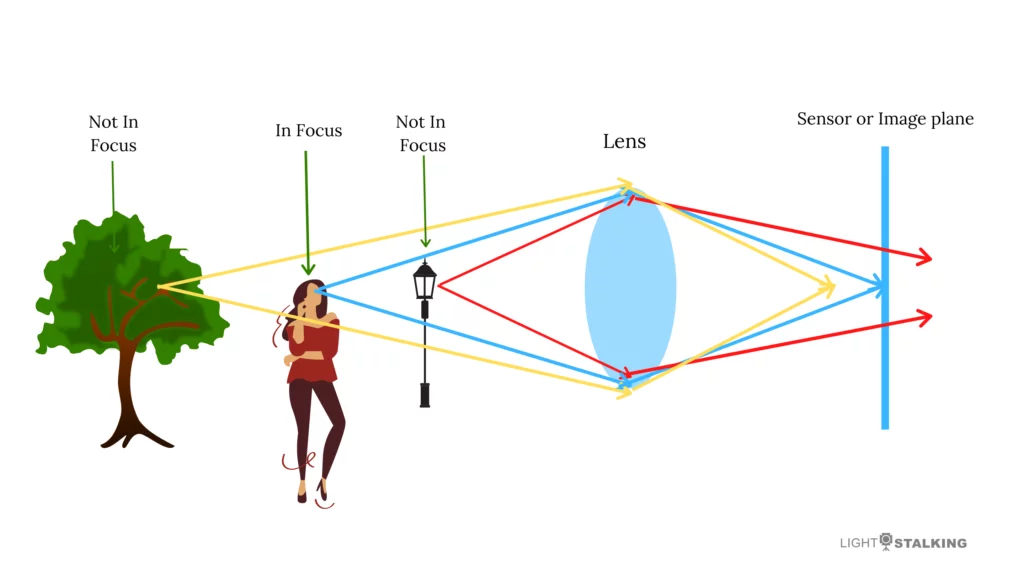
Depth of field is the area, depth or zone in a scene that is of acceptable sharpness in an image. Remember that there is only one plane that is perfectly sharp and the rest are all acceptably sharp. Depth of field in a photo depends on various factors like aperture values, distance, focal length, focusing angle and so on. Understanding depth of field is very important in order to make creative decisions and this article discusses that in great detail.
Also read
Experiment With Shutter Speed For Creative Results

Shutter speed is a factor that plays a major role in how a resulting image looks. For example, freezing moments with faster shutter speed or lengthening exposures to capture movements. Most scenes can be captured differently if shutter speed is creatively used while having a good understanding of the scene in front of you. This article discusses how shutter speed can be used to achieve creative results in photography.
Also read for more understanding:
Learn The Basic Rules Of Composition

When capturing a photograph, just capturing the scene in front of you can lead to boring ineffective photographs. Look through your viewfinder and choose your subject, place it in the frame where it gets the most attention, then add elements to support your main subject if needed. Beginners have a habit of placing subjects in the center of the frame. While this may work for certain situations and is a compositional guideline, it will not work well for all situations. Start with the rule of thirds, leading lines, etc., and then move on to advanced compositional guidelines. This article discusses some simple photography compositional guidelines for beginners.
Once you have mastered the basics, advance your compositional skills using the resources below:
Understand The Fundamentals Of Light For Better Photos

Photography is all about light. When we expose for a scene, the images gets painted with the help of available light and the resulting image depends on the amount of light available, the type of light, direction of light and so on. Depending on the available light, the photographer needs to make decisions to use that light for better images. Having a good understanding of light will help you to use the available light, manipulate it and use it to your advantage. This article discusses some fundamentals of light for beginners in photography.
More resources:
Metering Modes For Wise Decisions On The Field – A Basic Introduction
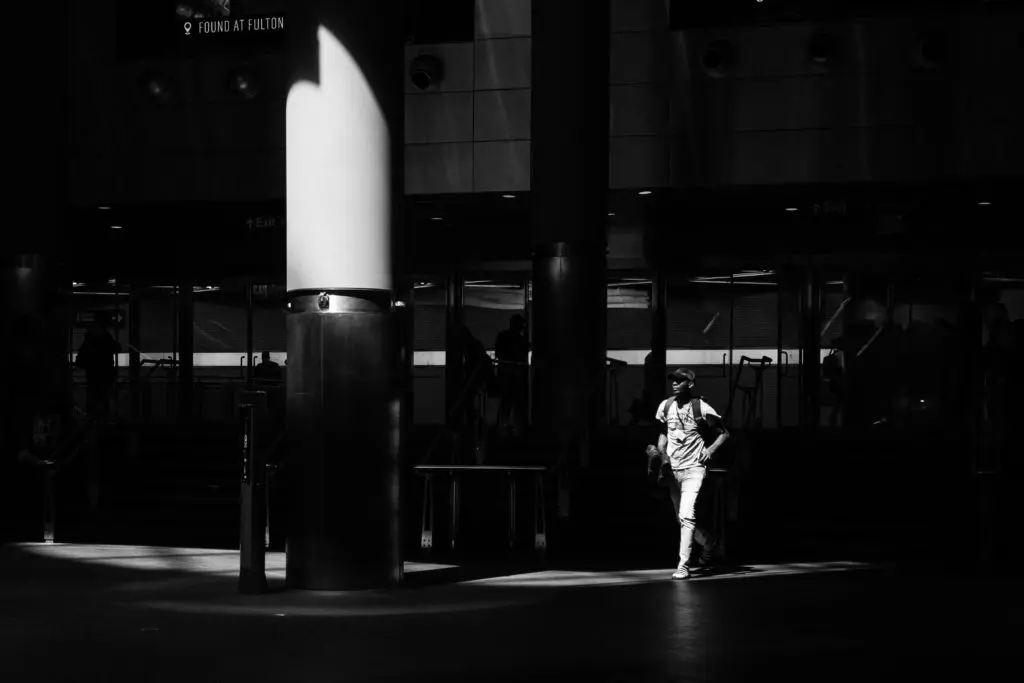
A lot of beginners in photography have very less to no idea of how the different metering modes work in the camera. Some photographers tend to use the matrix metering mode for all light situations, that is usually set by default in their cameras. While this metering mode works for most light situations, there are some tricky situations that will benefit from other metering modes, for example, spot metering. This article is an introduction to the metering modes that are available in most cameras.
If Using A Smartphone, Learn Its Features For The Best Results
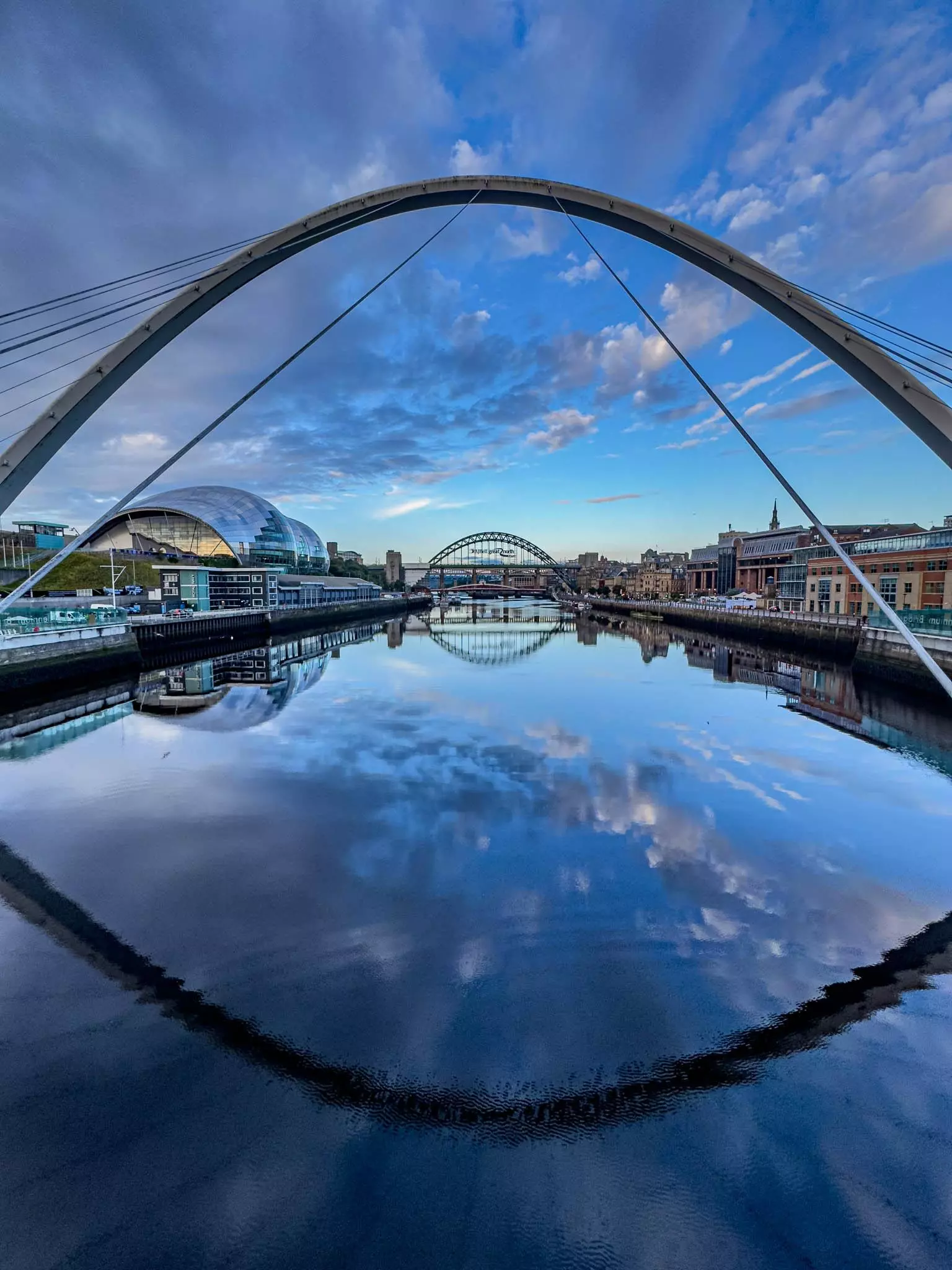
A lot of photographers these days have embraced smartphone photography and it is a camera that is with us at all times even during unplanned times when there is a photographic opportunity. Beginners most of the time start photography using a smartphone for many reasons. While a smartphone cannot replace a traditional camera for photography, it still can be a great tool to capture photos and videos if you take care of a few things. This article discusses some tips for better smartphone photography.
Some more references: