
Astrophotography is an adventurous genre because the more you explore the night sky and the objects in it, the more curious you become making the genre all the more interesting. The night sky changes with the seasons and there are different deep sky objects in the night sky as the year progresses. The moon is an object that can be seen in the night sky most of the nights and then there is the Milky Way that is up in the sky for many months in a year.
If you are a beginner in astrophotography or are looking to get started in this genre, some of the most common subjects that can be photographed easily in the night sky are the moon and the Milky way. These beginner resources will help you to get started in astrophotography and help to capture these sky objects.
How to Photograph The Moon (With 10 Great Examples)

The moon is one of the easiest subjects to photograph in the night sky, but bear in mind that you need to take care of a few settings in order to get good moon photographs. If you have a camera with a moderate telephoto lens, then you can capture perfect moon photographs for a start. This article discusses several tips to photograph the moon along with some great examples.
Moon Photography Tips
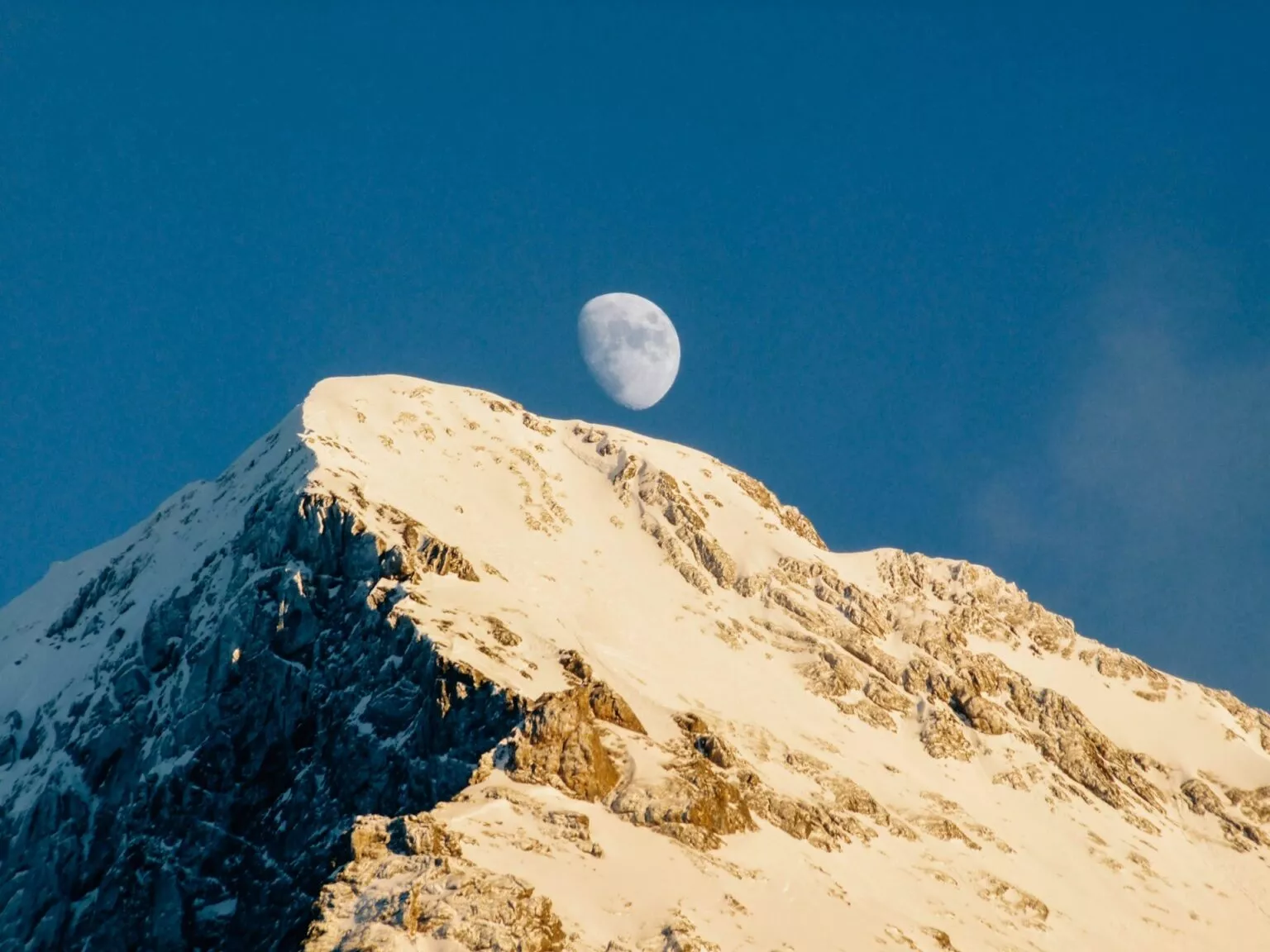
Beginners are often looking for some quick tips on how to photograph the moon, and this article will be of great help for quick reference. This article has a checklist for you to go through but you will need to make minor adjustments based on the light conditions where you are, atmospheric conditions and phase of the moon. Check out these quick and simple moon photography tips.
Photograph The Moon With An iPhone Or An Android

In the recent years, a lot of photographers have made their smartphones as their primary photography equipment. Some begin with smartphones and move on to traditional cameras, while other stay with just the smartphone. Considering the phone camera, capturing a good photo of the moon can be quite tricky but with some patience, practice and understanding camera settings, you can capture good photos of the moon with your smartphone and this article discusses that.
How To Photograph And Edit a Mineral Moon
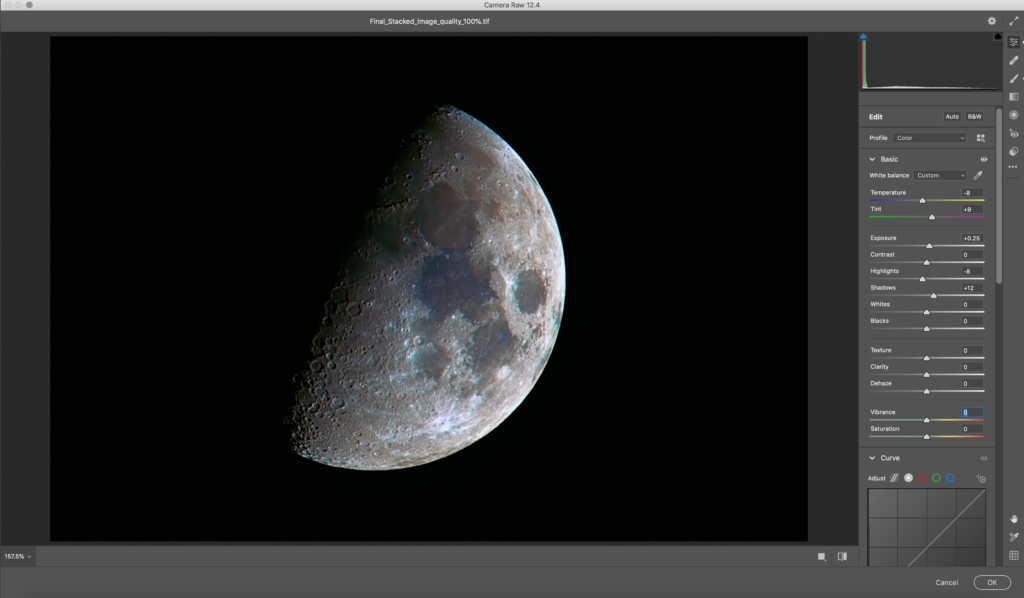
Have you seen colours on the moon's surface? It is hard to observe the colours when you look at the moon with your eyes, but zooming in to the lunar landscape with a zoom lens on live view, will reveal colours if the atmospheric conditions are good. You need clear skies in order to see the colours. If you are getting a bit curious and wish to photograph the colours on the moon's landscape, this article provides all the steps needed.
So What Is The Looney 11 Rule In Photography?
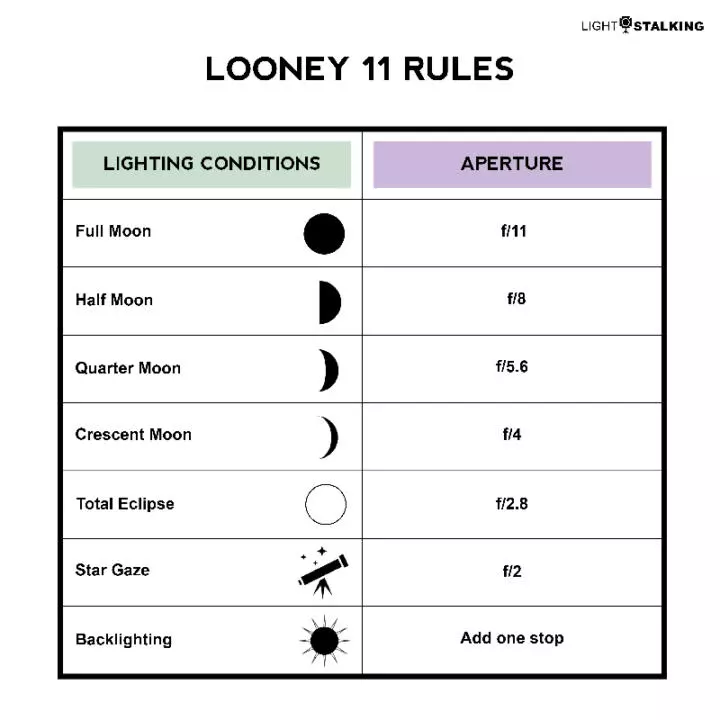
When you get started in moon photography, you may wish that you had some settings in hand that you can refer to quickly in order to get the shot. While this may not be the best solution for capturing moon photos, the Looney 11 rule provides you with a rough estimate of what settings may work for a particular aperture and iso combination. In simple terms, set aperture to f/11 and shutter speed to the reciprocal value of ISO. Check out this article to know about this rule in more detail.
How To Photograph The Milky Way In 12 Steps
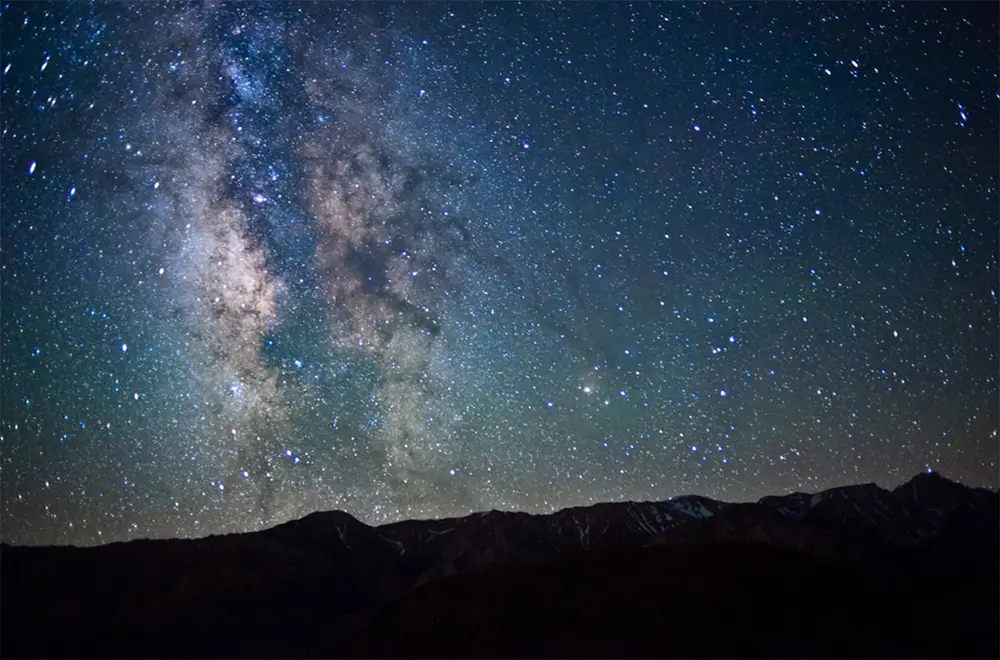
The Milky Way is a fascinating object and is up in the night sky, but the core which is the brightest and the most beautiful part of the galaxy is only visible a few months every year. You need to have clear and dark skies in order to view and photograph the Milky Way and also not have the moon in the sky as it can wash away the details. This article gives you step-by-step information to photograph the Milky Way.
What is the 500 Rule in Photography?
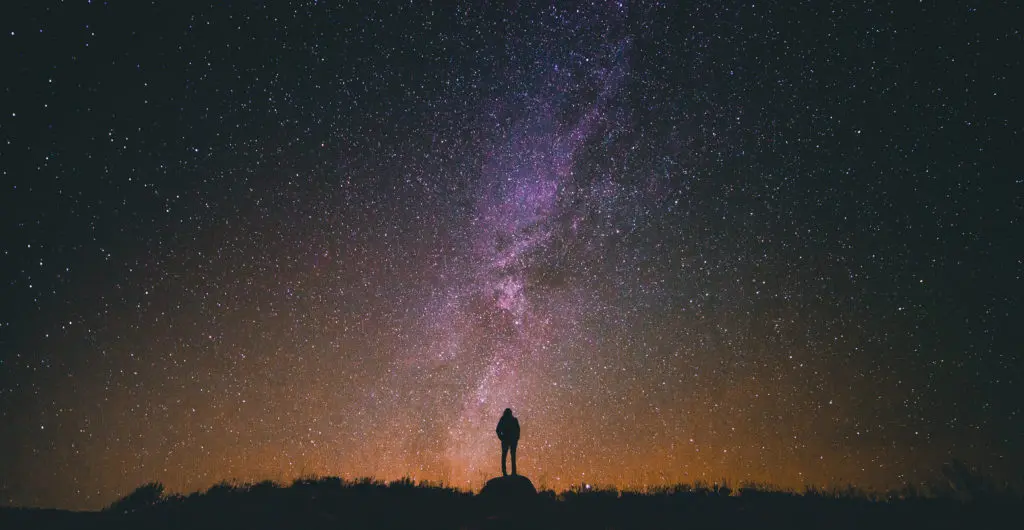
Just like the Looney 11 rule for moon photography, if you are a beginner and looking for quick settings to photograph the Milky Way, then the 500 rule will help you to get started. The 500 rule is not accurate and with recent cameras that have good low light performance, this rule may not be a great fit. According to this rule, set your camera to ISO 3200 or 6400, your Aperture to f/2.8 (or as wide as possible) and your shutter speed to 500 divided by the focal length, taking into account the crop factor of your camera. For a more accurate calculation based on specific cameras and lens combinations, check out the NPF rule.
Star Photography: Dos And Don’ts When Photographing The Stars
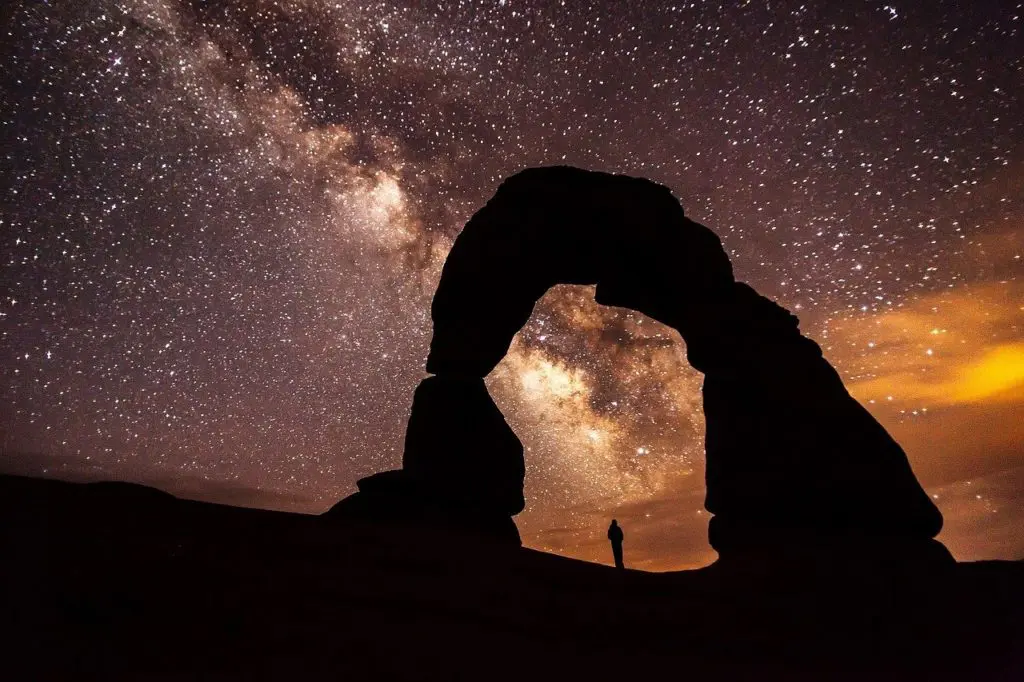
Star photography may seem easy, but capturing pin point stars with neat details and colours takes some effort. Besides, you will need to keep an eye on the weather conditions when getting out for star photography, and also pay attention to useful gear and accessories. This article discusses several tips for better star photos.
Should You Turn Noise Reduction On Or Off For Astrophotography?
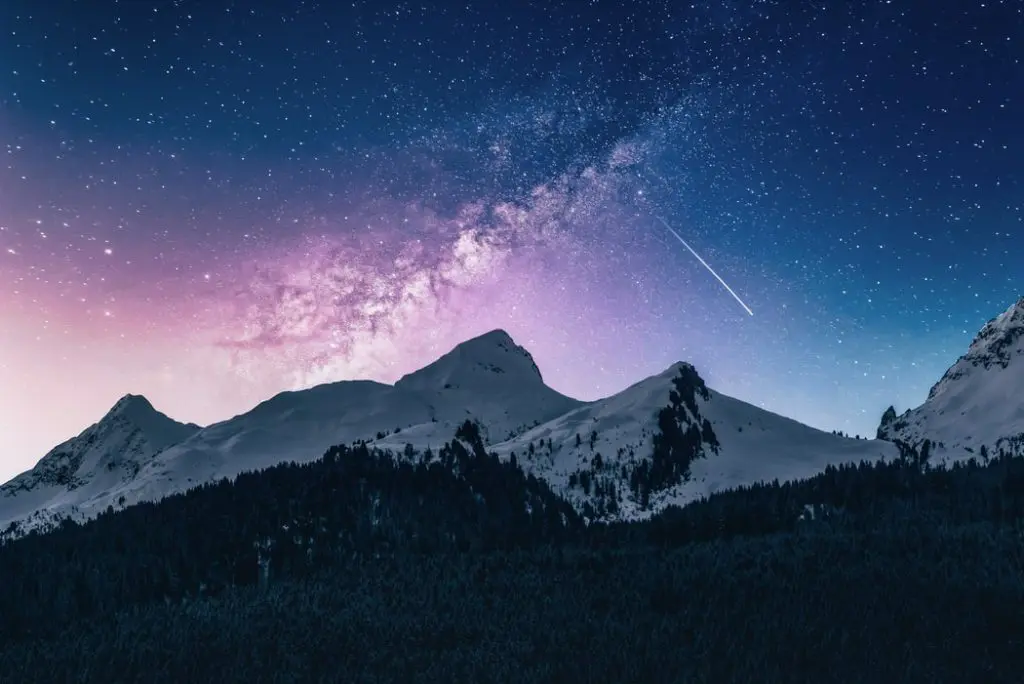
Cameras come with features like noise reduction and there are two types of noise reduction in cameras – the high iso noise reduction and the long exposure noise reduction. Based on your shooting conditions, you may be using high iso and long exposures, but should you urn them on? This article explains what these are and why you should or should not turn these features on in your camera for star photography.
How To Reduce Noise In Astrophotography

Most of the time when we are capturing long exposure shots of the night sky, depending on the camera, the settings, the light, atmospheric conditions we will be seeing some noise or a lot of noise in the resulting images. Noise can look visually unappealing and hinder the colours and sharp details. This article discusses how to reduce noise for astrophotography.


