If you are a photographer, the three most common settings that you often use will be – Aperture, Shutter Speed and ISO. These settings help the photographer to control the exposure in an image and changing one value means, adjusting one or both of the other values to get the exposure right.
When you are a beginner in photography, the first thing to understand in order to get better at photography is the exposure triangle. You will need a good understanding of what happens when you change aperture values, shutter speeds and ISO. In this article, we have put together several resources, that will help you to understand these three factors and in turn understand the exposure triangle to capture better photos.
What Is Aperture: A Beginner’s Guide To Aperture In Photography

The aperture is one of the factors that helps with exposure in photography. It is the opening in the lens that allows light in, and the wider the aperture (smaller f values), the more light enters the lens and falls on the sensor. Besides exposure, aperture also controls the depth of field while depth of field is also controlled by a few other factors. This article provides a beginner's guide to aperture.
This is What You Need to Know About Camera Aperture

Here is another article that touches more on the f values when dealing with aperture. When the f value is small, for example f/1.8 or f/2.8, the physical size of the aperture opening is large or wide and this lets in more light as well as provides a shallow depth of field, yielding smooth or creamy bokeh. When the f value is large, for example, f/11 or f/16, the aperture opening is physically small or narrow and lets in less light. Also the depth of field is quite deep. Learn more about this in the article above.
Getting Started with Shutter Speed: A Beginner’s Guide

Shutter speed is the amount of time the shutter remains open during exposures. If the shutter remains open during a shorter period of time, for example 1/2000s or 1/1000s, it lets in less light and can be helpful to freeze fast actions, example sports, wildlife, etc. If the shutter remains open for a longer period of time, for example 1/10s or several seconds, it will let in more light and this helps to capture intentional blur or capture more light when the camera is on a tripod. This article is a beginner's guide to understanding shutter speed.
How Shutter Speed Affects What You Photograph

In photography, there is a creative part and a technical part. Many photographers tend to lean more towards the creative side, which is not a bad thing, but if you know the technical aspect as well and then make decisions on creative exposures, you will be able to make even more powerful photos.
Shutter speed is a creative factor that will allow you to capture various types of images and exposing the shutter for different length of times means, the resulting images can be creatively different. Check out this article that will help you understand how shutter speed affects what you photograph.
How to Use Shutter Speed for More Powerful Images

If you are looking to show the speed or energy in your photo, it can be achieved using only the shutter speed. It is the only factor that will allow you to freeze or record movements in a scene. By adjusting the shutter speed, you can capture movements in various ways – calm and soothing or strong, crisp and powerful. Shutter speed can add loads of creativity to your otherwise static image and this article discusses how it can be used to capture powerful images.
How to Effectively Combine Aperture and Shutter Speed

Now that we have a good understanding of aperture and shutter speed, know that you can combine these two factors in various ways to capture stunning and creative images – wide aperture for stunning bokeh, narrow aperture for sharp landscapes, slow shutter speed to show movement, high shutter speed to freeze actions, etc. Check out this article that will show you various ways in which these two factors can be combined for creative photography.
What Is ISO In Photography?
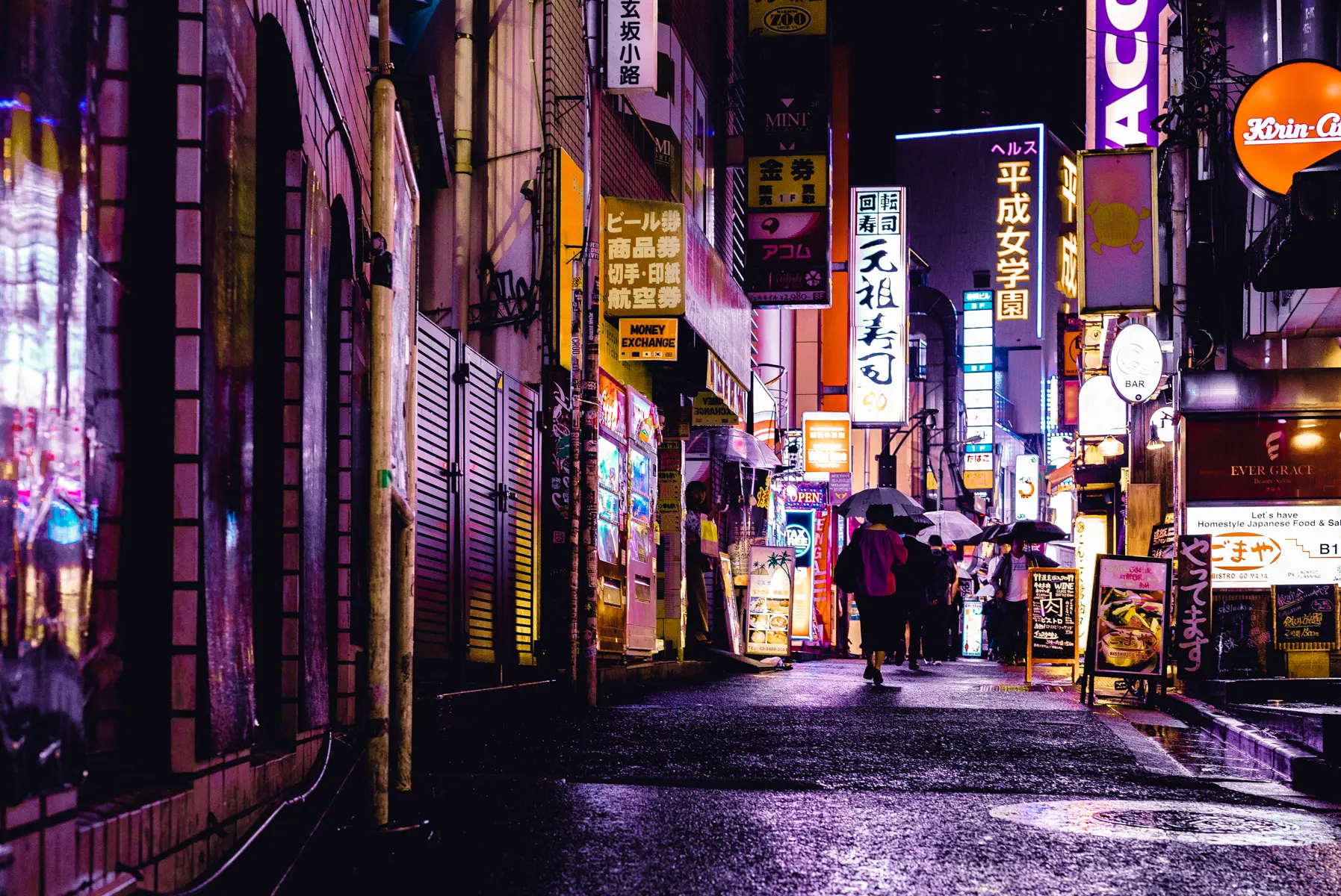
ISO is one term that most beginners in photography tend to be confused about. In simple terms, ISO is a measure of how sensitive your camera's sensor is to light. Lower iso values mean, less sensitive to light and higher iso means, highly sensitive to light and iso plays a huge role in exposure control. Higher iso values also introduce noise in images, but recent cameras deal with this issue pretty effectively. Learn more about iso, its purpose and how to choose it for effective photography.
How Light, Aperture, Time and Sensitivity Affect Exposure

We have seen now and gained some understanding on how the three factors called aperture, shutter speed and iso affect exposure in photography. We all know that without light there is no photography and different types of light sources can affect the exposure differently in terms of intensity and quality. The camera also may not always read this light well depending on various factors. This article discusses how light along with the three exposure controlling factors affect exposure in photography.
The Exposure Triangle And How It Affects Your Photos
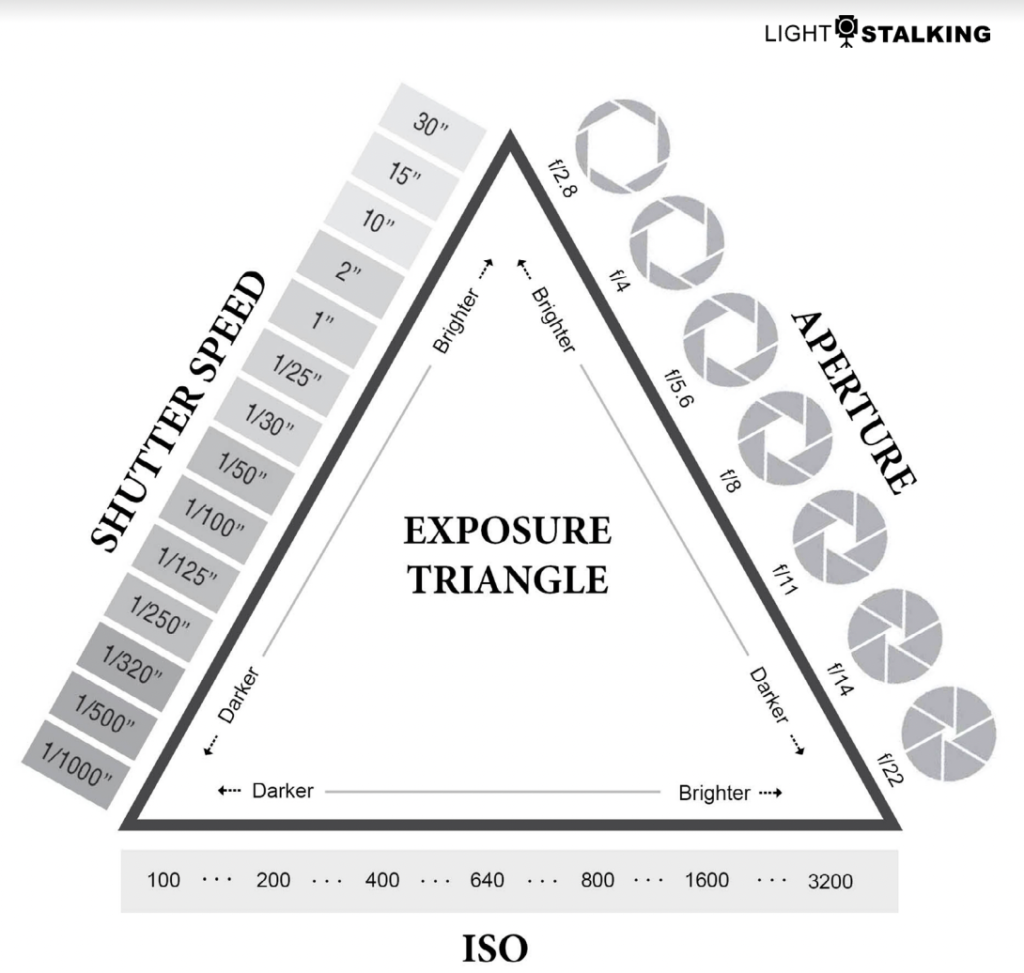
The exposure triangle, as the name suggests is made up of the three most important factors in photography that control exposure – Aperture, shutter speed and iso. Once you get an understanding of how the different factors work, then understanding how they work together is the next step towards understanding exposure in order to make better photos. This article will provide you a good understanding of the exposure triangle and how it will affect your photos.
The Rule of Equivalent Exposure (With Quick Quiz)
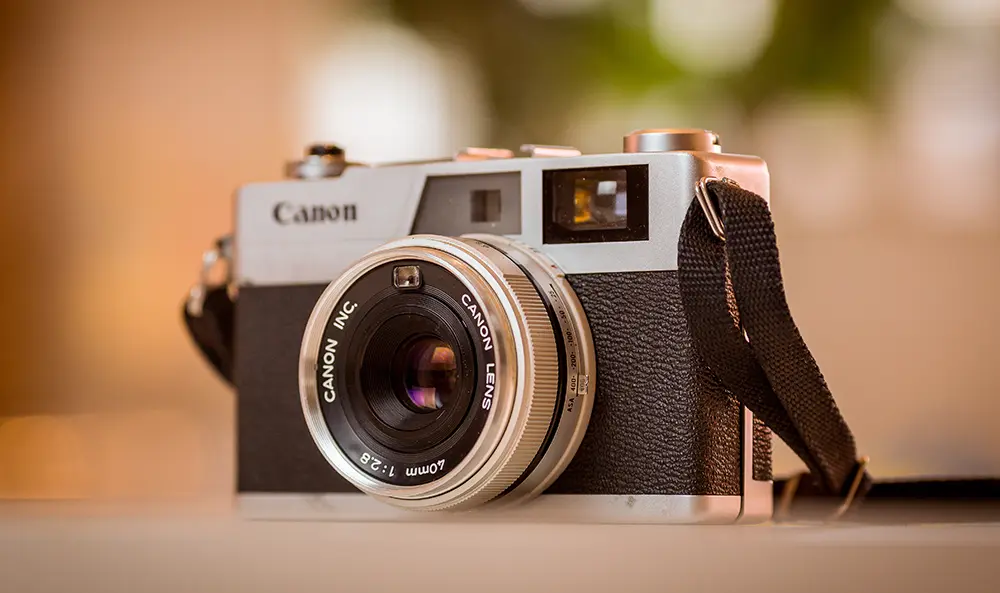
With an understanding of the above factors that affect the exposure and how the exposure triangle works, the rule of equivalent exposure can be understood easily and it is based on these factors. There are several combinations of aperture, iso and shutter speed that can produce the same exposure and this is called equivalent exposure because, the exposure may be the same, but the resulting image can look visually different as a result of differing aperture values, shutter speed and iso. Read this article to find more about equivalent exposure – also includes a practice section.
In the future posts, we will be getting a bit more into the advanced understanding of exposure and its related factors. Stay tuned!