In photography, capturing sharp photos is very important, unless you want to intentionally capture blur or have soft focus in your images. In order to capture sharp images, you need to take care of a few settings and controls in your camera. Capturing sharp images will sometimes depend on the smallest setting that we often tend to ignore.
In this article, we have put together a list of tutorials that will help you to capture tack sharp images every time.
Aperture And Depth Of Field

Aperture is one of the deciding factors when it comes to sharpness in images. Shooting using very wide aperture values or very narrow aperture values can cause softness in images for different reasons. You need to learn your lens and find the sweet spot that will produce the sharpest results. Aperture is also the factor that decides how much of the scene or subject will be in focus. This article is an in-depth guide to understanding aperture and depth of field.
Shutter Speed

Shutter speed is the amount of time the shutter remains open to let light into the lens or to make the exposure. The longer or slower the shutter speed, more the amount of light that enters, but it also means that more movement is recorded if there are moving elements in the frame. In order to freeze movements and capture a sharp image, one needs to choose optimal shutter speed depending on the speed with which the subject is moving. This article talks about shutter speed and how it affects your photography.
Optimal ISO Values

Iso is a measure of how sensitive the camera's sensor is to light. We think that shooting at low iso values is the best way to capture a neat photo. While that is true and will result in clean sharp images, there are times when the light may be low and you will need to raise your iso to capture sharp images of moving subjects. Without compromising on the shutter speed, the photographer will need to make decisions on choosing slightly higher iso values. This article discusses why you should not fear to use higher iso values for sharper results.
Image Stabilisation

Image stabilisation is a feature in cameras and lenses that reduces shake or vibration when the camera is handheld. There are various types of image stabilisation – Lens, sensor and digital stabilisation and each one performs in its own way. Lens stabilisation is regarded the most effective and this article discusses all the types of image stabilisations in detail.
Perfect Focus

Having perfect focus is of paramount importance when it comes to capturing sharp images. Depending on the results you have visualised, lack of focus can mostly break a photo, unless it was intentional. Getting the light, composition, and other settings perfect will not help if your photo lacks the right focus. Error in focusing may depend on various factors and this article discusses some tips on how to get perfect focus every time you take a photo.
Manual Focus

Recent cameras come with amazing features for autofocus and to track subjects, eyes, etc, accurately. There are times when cameras struggle with autofocus or we may be using older cameras and this happens when the aperture is too wide, the light is too low, or when capturing extreme macro shots, etc. The best option during these times is to use manual focus to get the focus right where we want them to be. This article discusses situations that will benefit from manual focus.
Back Button Focus

Back button focusing is a feature that is highly effective, but one that is not used by many photographers. In order to use this feature, a button at the back of the camera is assigned to focus on the scene or subject. The benefits of using this feature are many – you can lock focus avoiding re-focus issues each time you press the shutter button, easily track focus which means you can use the back button to switch between single focus and continuous focus, etc. This article discusses everything you need to know about back button focusing.
Understanding Diffraction

Most lenses have very narrow aperture options and while this can be great to capture sharp images or to control the amount of light entering the lens, when the light is too harsh, it comes with its own drawbacks, one of which is diffraction. Diffraction is bending of light waves around the edges of obstacles – so when you close down the aperture too much, the diffraction effect can be very prominent, making the edges of your subject look soft with artefacts. This article is a guide to help you understand diffraction and its effect in your photographs.
Lens' Sweet Spot

Photographers can go crazy about shooting wide or narrow apertures depending on their subjects, scenes or their creative vision. Shooting at the widest, narrowest or close to these aperture values can result in not so sharp images and introduce artefacts and other optical effects which can be undesirable in the resulting images. Images are usually sharp in the mid range aperture values and if you are keen on having the sharpest image possible, you will have to find your lens' sweet spot. This article discusses the sweet spot setting for a lens.
Hyperfocal Distance
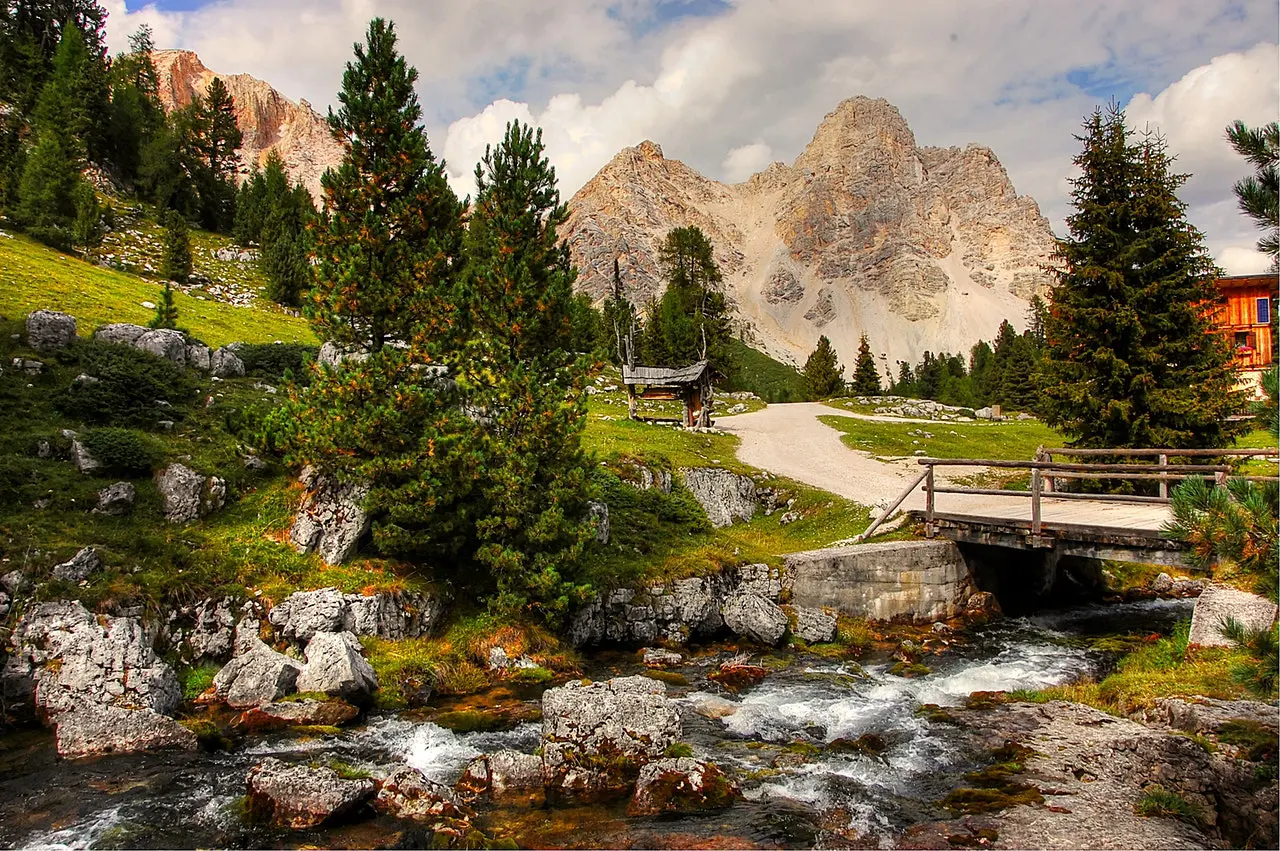
Hyperfocal distance is an old photographic principle used by landscape photographers to get the sharpest image possible – that is, for all elements right from the foreground to the background to be in focus. It is the closest focusing distance that gives the deepest depth of field in order to get a sharp landscape. Hyperfocal distance depends on many factors including the focal length and aperture values used. This article discusses hyperfocal distance in detail.
Camera Shake

In the early days of taking up photography, one of the most frustrating issues that photographers come across is blurry images due to camera shake. There are a lot of reasons why there can be a camera shake and many times beginners think that is due to a problem in their camera or due to wrong focus issues. Camera shake can occur during shutter release, while using the wrong shutter speed, not holding the camera correctly, etc., and this article discusses these issues in detail.
Digital Noise

Noise can be a big problem when looking to capture sharp images, while in some cases, the effect of noise can be appreciated and considered artistic. Noise in images can be due to various reasons – high iso, thermal noise, underexposed images, very low light, etc. If you need very sharp resulting images, a few things need to be taken care of and noise to some extent can also be eliminated or reduced when post-processing. This article discusses some tips on minimising noise for sharper images.
Further Reading
- How To Get Tack Sharp Images With Lightroom’s Sharpening Panel
- These 7 Camera Controls Will Give You Sharper Images
- Sharpen Your Images With Some Useful Photoshop Techniques
- 8 Quick Tips for Getting Sharp Eyes in Portrait Photography
- The 10 Keys to Super Sharp Photographs
- 5 Common Reasons You Aren’t Getting Sharp Photos And How To Fix It