There are no rules in photography, only guidelines – but, there are times when we photographers may need a quick reference or a setting to capture something on the field. For example, capturing a landscape, photograph the moon, starting to photograph the night sky, especially the milky way, or setting out in street photography.
There are no set rules to capture any subjects or elements in photography and the settings depend on your creative vision and how you intend your resulting photograph to be. In this article, we have put together a set of rules or guidelines that will help you get started with some of the basics in some genre of photography.
Understanding The Sunny 16 Rule

The Sunny 16 rule or the sunny f/16 rule is a method used to estimate the right exposure in bright daylight without the help of a light meter. You will need to set the aperture value to f/16 and the shutter speed to the reciprocal of iso. For example, for iso 100, the shutter speed will be 1/100s. This article discusses how to use the sunny 16 rule when photographing on a sunny day.
So What Is The Looney 11 Rule In Photography?
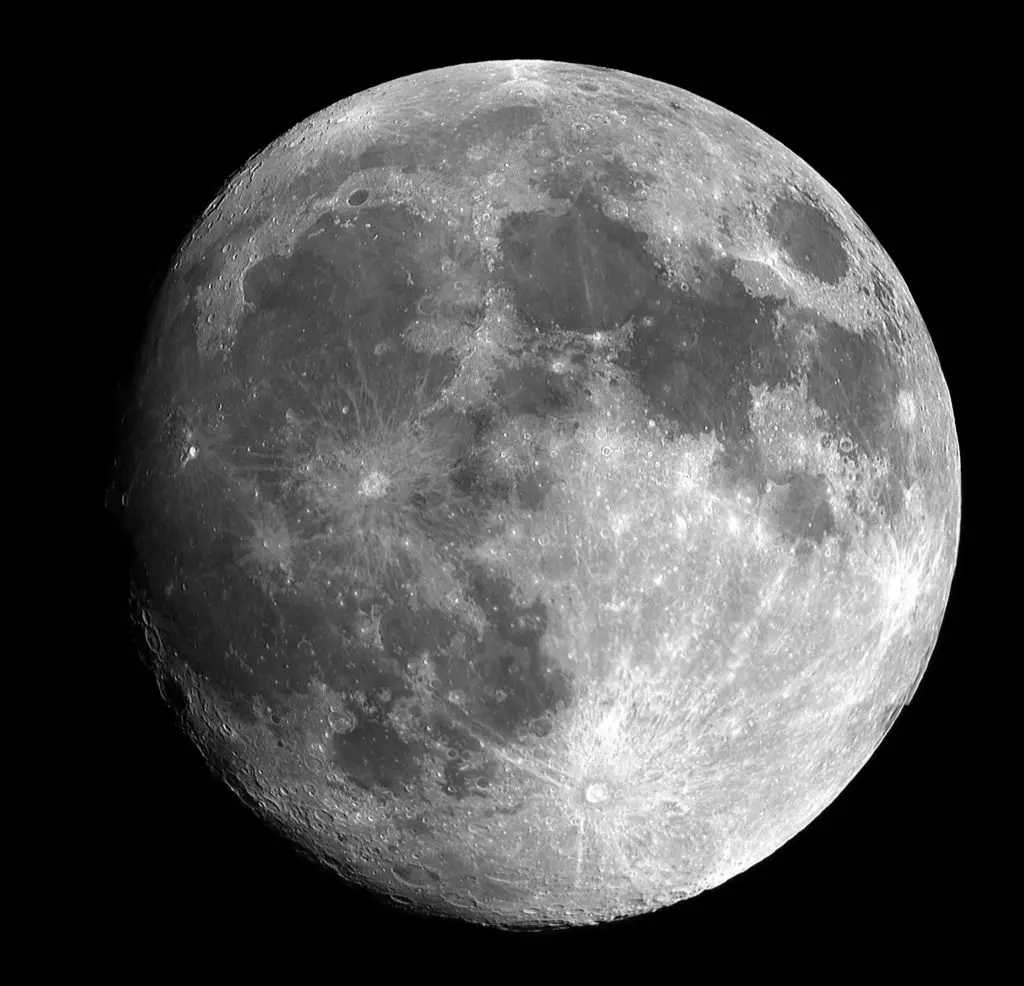
Capturing the photo of a moon can be quite a daunting experience if you are a beginner in photography. The exposure settings may seem quite confusing and to start with, the Looney 11 rule can help to capture stunning images of the moon. You may have to make slight adjustments to get the exposures right depending on the phase of the moon and the focal lengths that you use. The looney 11 rule is similar to the sunny 16 rule. For the Looney 11 rule, set the aperture to f/11 and the shutter speed to the reciprocal of iso.
How To Calculate And Use Hyperfocal Distance For Better Landscape Photography
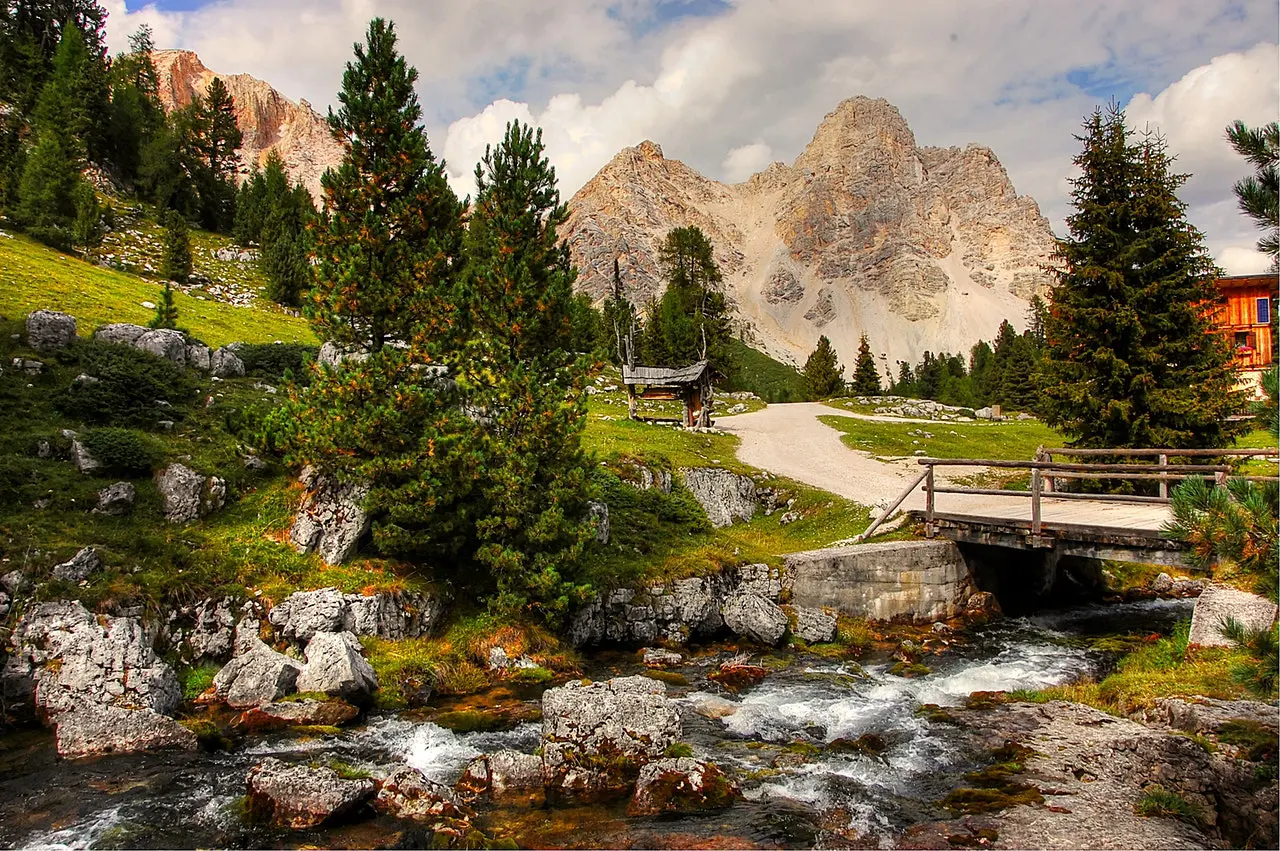
When capturing landscape images, you will want the elements in the frame to be in sharp focus all across the frame, right from the foreground to the background. In order to achieve this, based on the lens, aperture and focal length that you use, you will need to focus on a certain area called the hyperfocal distance. This article discusses how to calculate hyperfocal distance when photographing landscapes.
Note: A quick and simple tip is to narrow down the aperture to between f/11 and f/16 and focus one-third into the frame.
What is the 500 Rule in Photography? (With Calculator)

When photographing the stars in the night sky, you want them as pin point sharp spots in the photo. Due to the rotation of earth, if you do not set the exposure values right, you will have star trails in your photos. To avoid this, a simple rule called the 500 rule can be used to calculate approximate shutter speed values. The shutter speed needs to be “500 divided by the focal length of the lens,” taking into account the crop factor. This article discusses the 500 rule in detail.
Use The NPF Rule For Brilliant Star Photography (With Calculator)
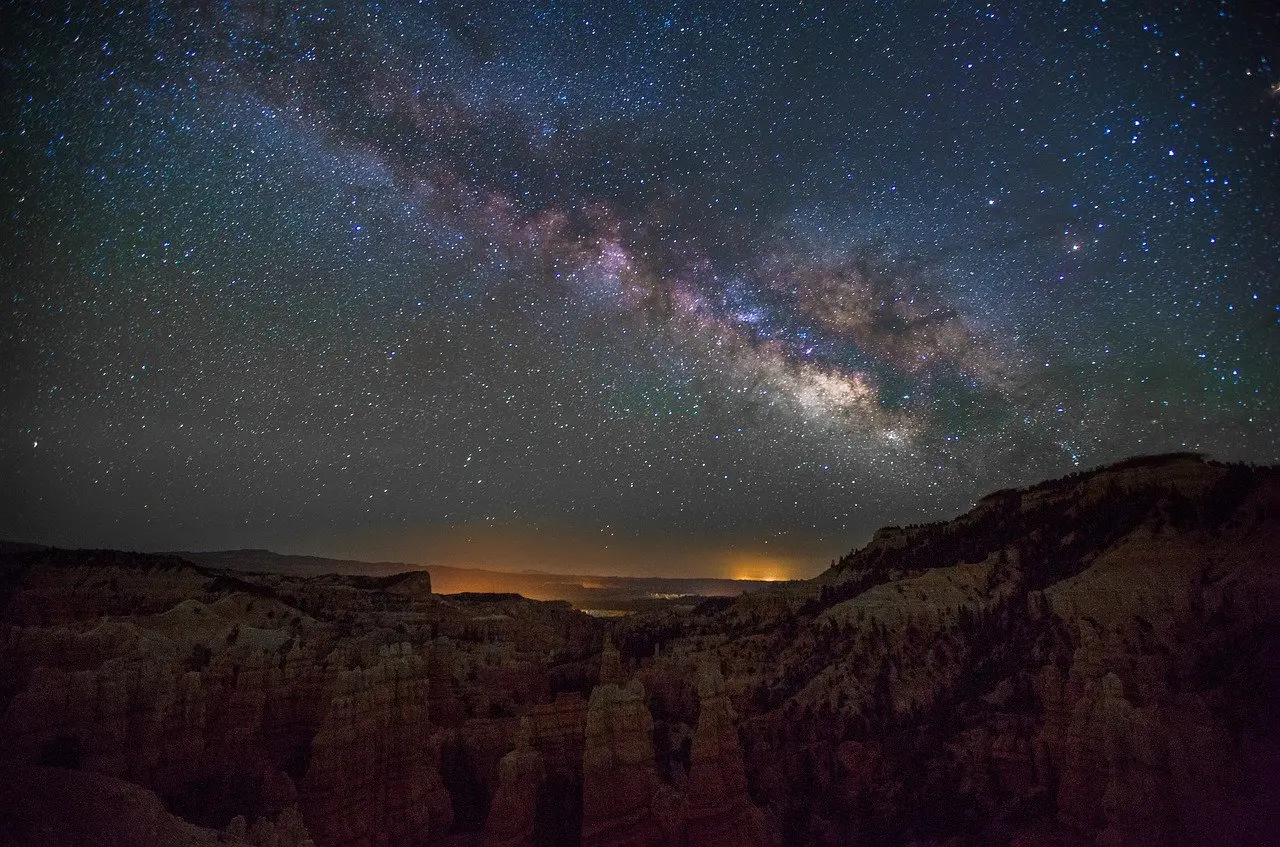
There are rules like the 500 rule or 600 rule in photography to calculate the shutter speed or exposure time for night sky photography. But, based on the type of camera and lens that you are using, the exposure times may vary and if you are printing large prints of your night sky images, you will need a very accurate exposure time. The NPF rule will help to calculate the exposure time accurately for night sky photography and this article discusses that.
A Guide To Reciprocity In Photography
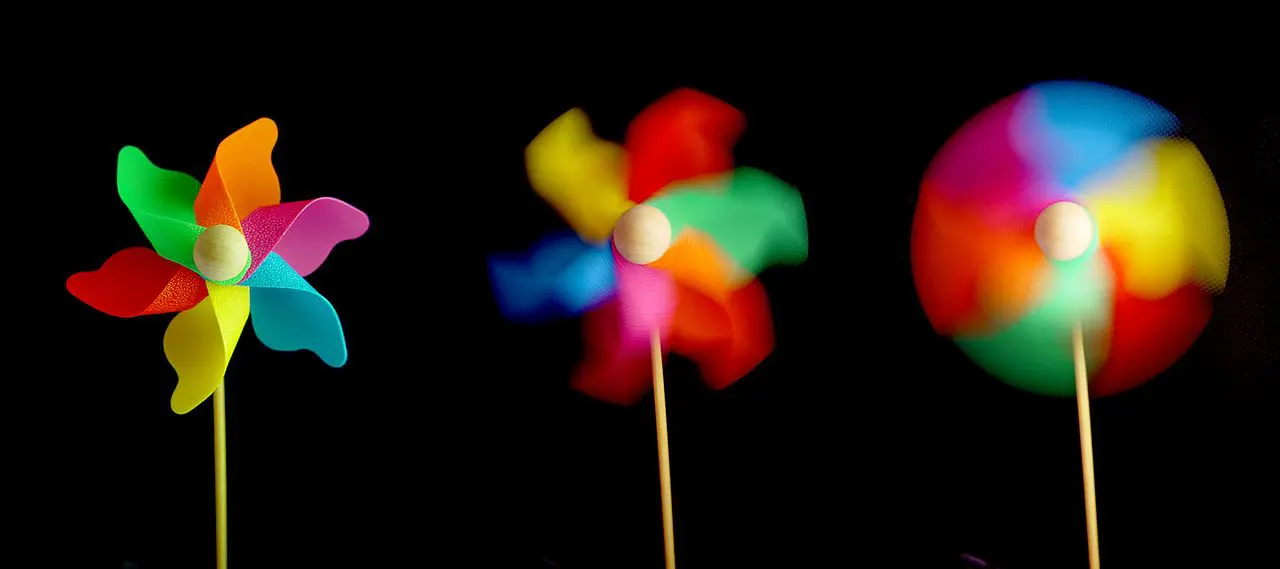
Reciprocity in photography refers to the relationship between the aperture and shutter speed values and these are inversely proportional. Understanding reciprocity will help the photographer to master manual mode and use exposure creatively in photography. This article is a detailed guide to understanding reciprocity.
The Rule of Equivalent Exposure (With Quick Quiz)
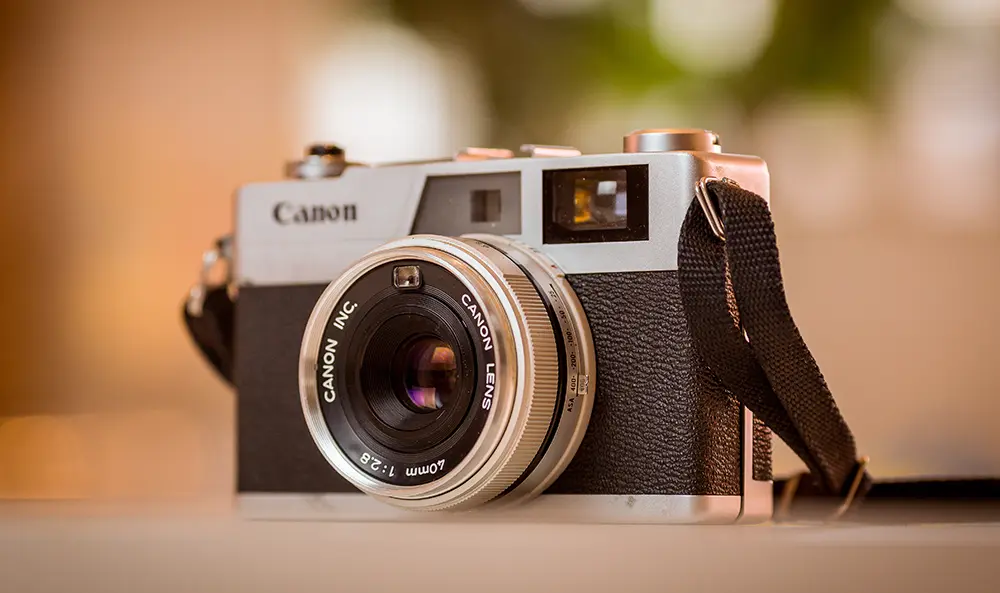
Equivalent exposure in photography is getting the same exposure using different settings for aperture, shutter speed and iso. There are multiple combinations of these three values that can provide an equivalent exposure. This article talks in detail about equivalent exposure along with a quick quiz.
What Can Photographers Learn from the Classic Rules of Composition?

Compositional rules or guidelines are great ways to improve a photo. This can be achieved by just moving around or just moving the elements around, using different perspectives, angles, etc. An image does not become better by being technically perfect but poorly composed. There are no rules for composing photos but one can know what guidelines can be used and then improve from there. This article talks about some classic rules of composition.
77 Life Rules for Photographers
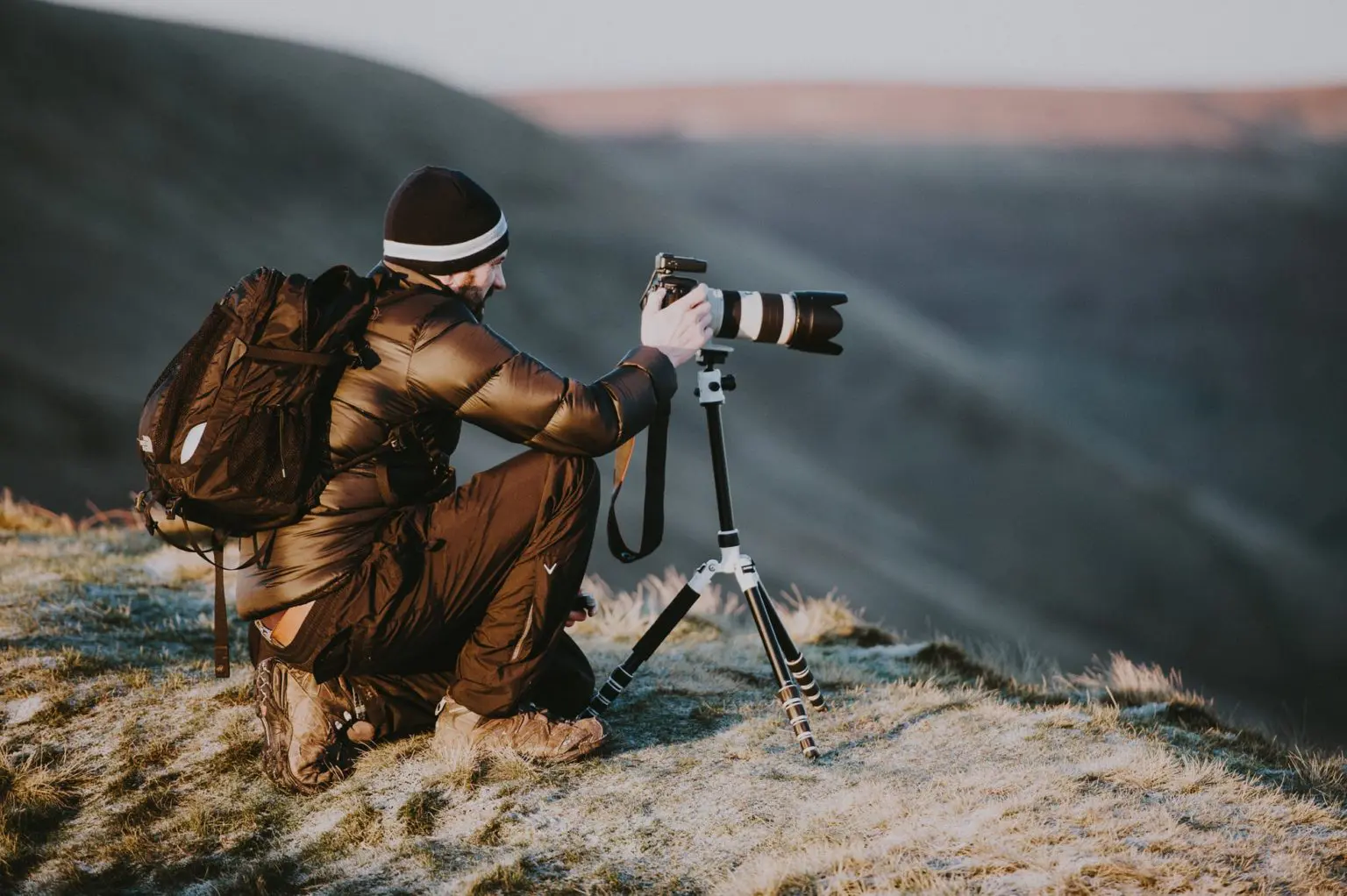
As photographers, sometimes we may be taken advantage of, by people around us or by people who view our works online. Some may also take our works for granted, not giving enough credit or value to the work put in to achieve the results. This article talks about 77 life rules for photographers.
How to Take Better Photos With Any Camera: 71 Useful Rules
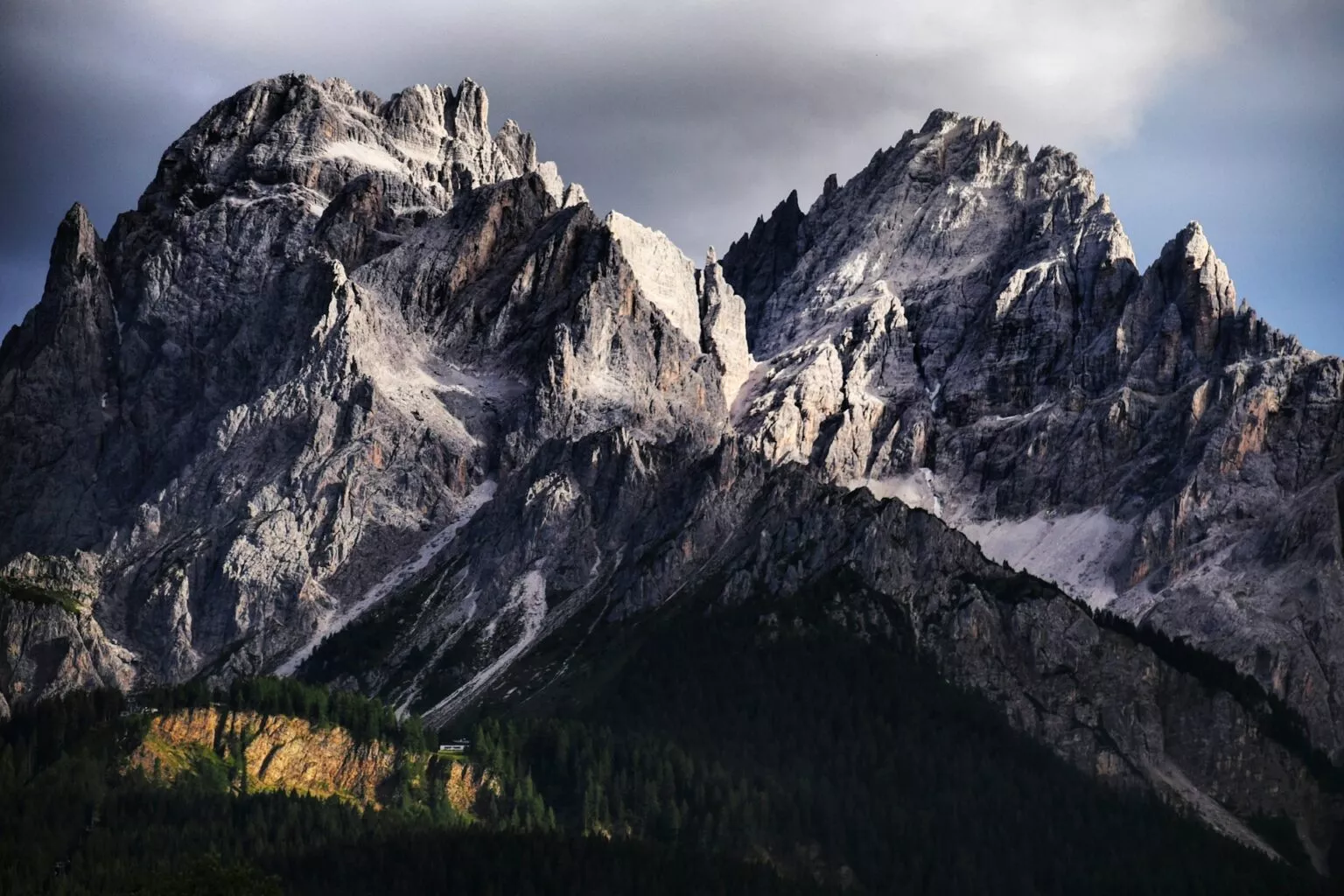
A camera does not take a great picture, but the photographer does. As photographers, we should be able to capture images with the camera that we already have. Of course cameras come in different specifications and may serve various purposes but it is not mandatory to upgrade to newer cameras or better cameras to get good images. This article talks about some very interesting rules to take better photos.