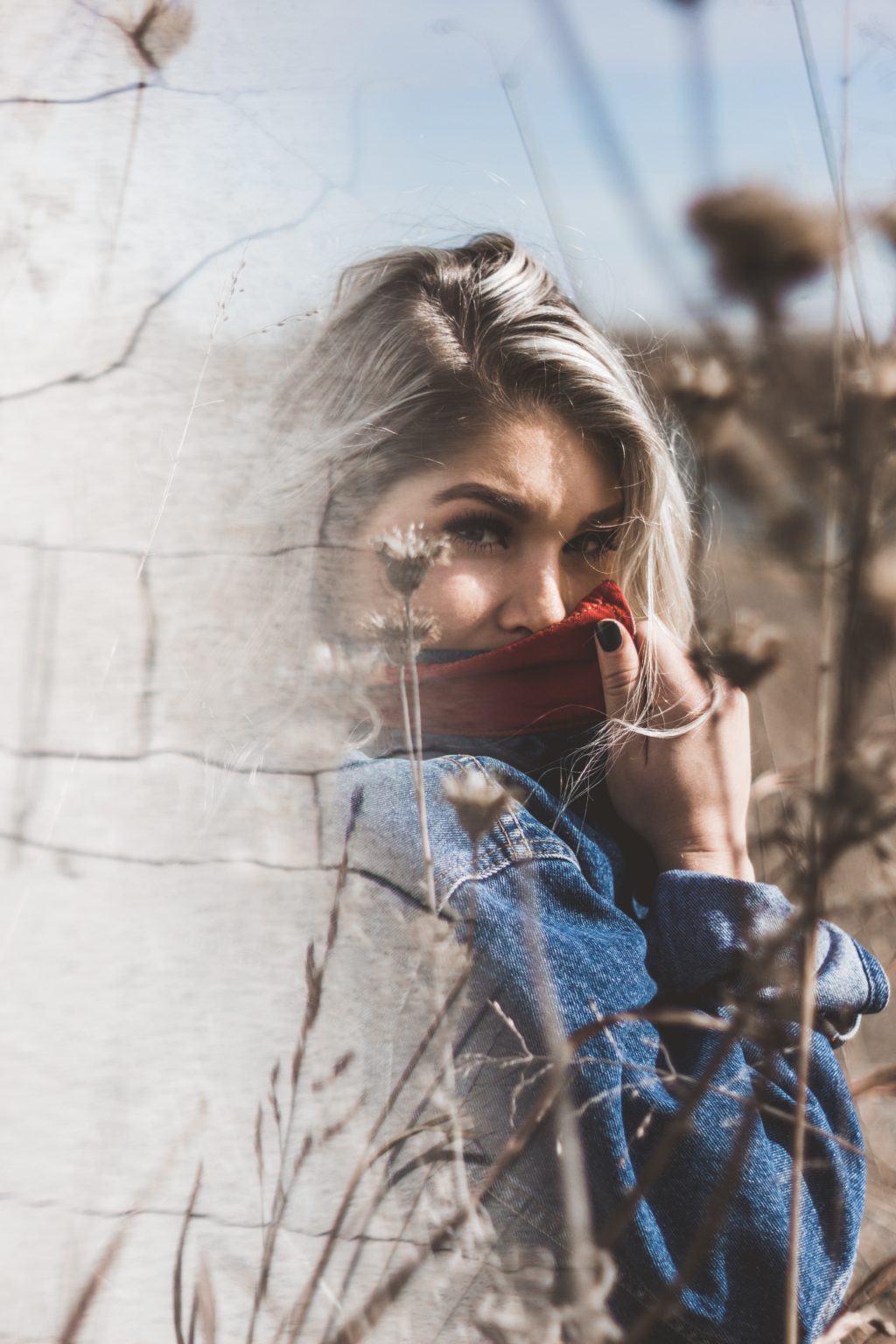
Dynamic range is something that landscape photographers struggle with most of the time and it is the contrast between the brightest and darkest areas in a frame. The amount of dynamic range depends on the difference in contrast of light in the scene. For example, sunset shots or midday shots will have a huge dynamic range between the darkest and lightest parts of the frame.
If photographers follow some tips and are careful in choosing the right shooting process, issues with dynamic range can be overcome and improved in the resulting images. There are various ways in which dynamic range can be improved in images and we have put together a few resources that will help!
What You Need to Know About Dynamic Range (And How It Can Improve Your Images)

We know that dynamic range is the contrast between the lightest and darkest areas in a scene and when it comes to a camera's dynamic range, it is a measure of how efficiently the camera's sensor can capture this contrast. There are some tips that can be followed to improve the dynamic range in your photos and this article discusses dynamic range in detail and what can be done to improve the images.
Exposure Bracketing: What Every Good Photographer Should Know
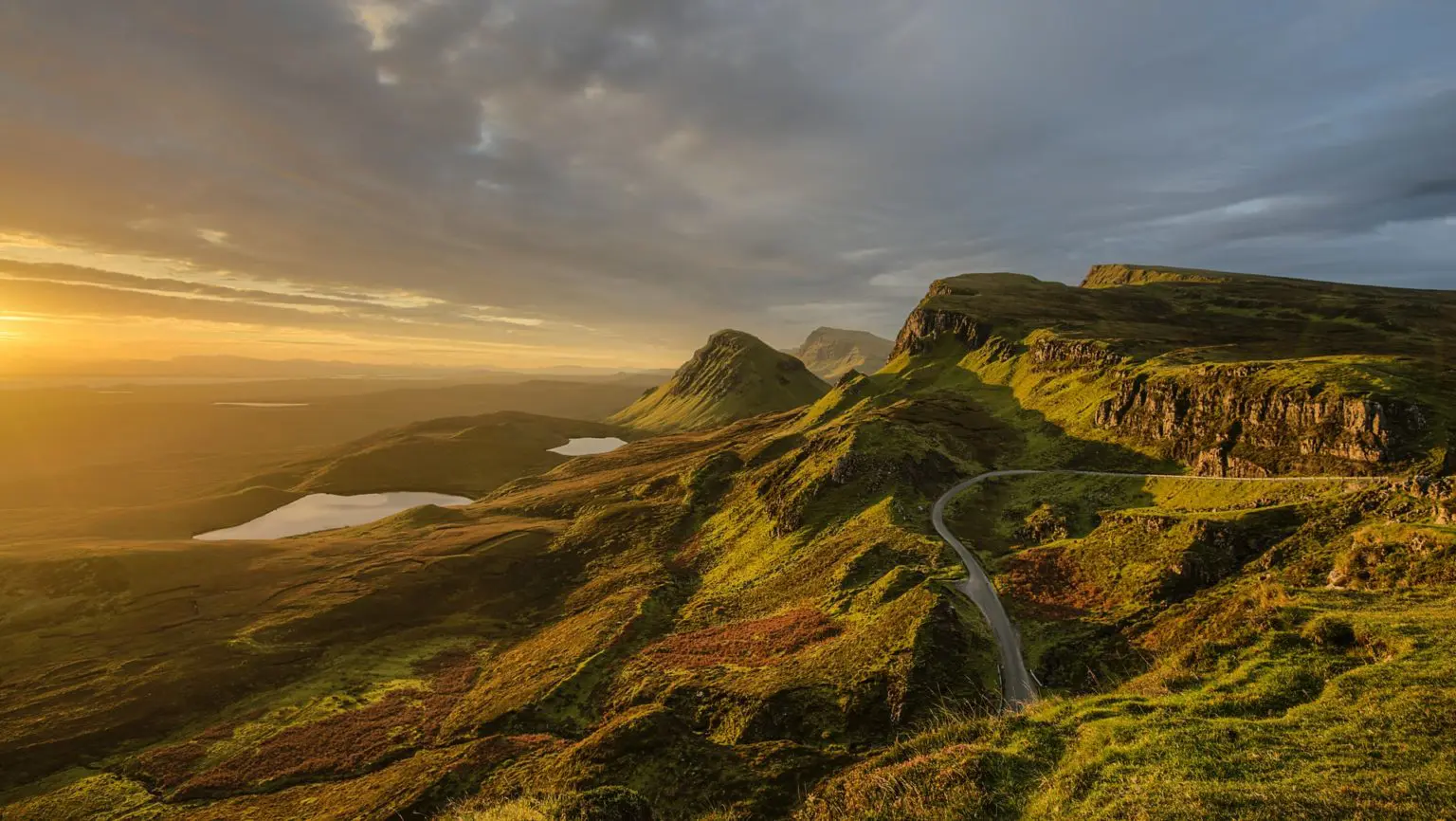
One of the many ways in which you can improve the dynamic range in your image is through exposure bracketing. Exposure bracketing is a process where you capture one image at the correct exposure, then one or two images overexposed and underexposed by 1/3rd or 1/2 stops each. These images are then combined when post processing to get a resulting image with a good dynamic range. This article discusses how you can capture dynamic range in your images using the exposure bracketing technique.
Bite Size Tips: How to Get the Perfect Exposure with a Histogram
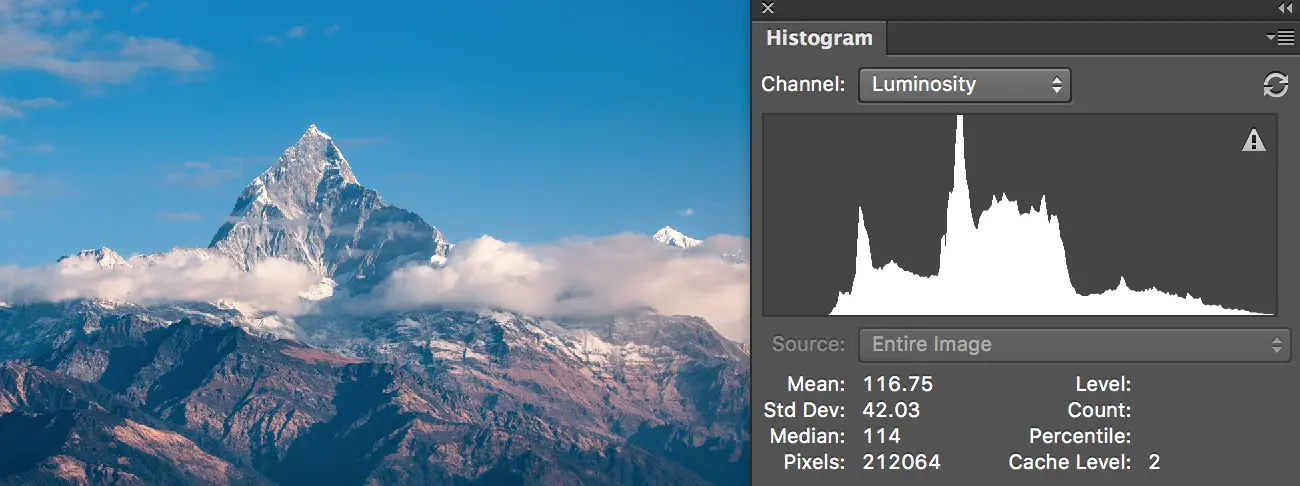
A histogram helps to check exposures in an image and is a representation of the tonal variations from black to white and the the Y axis also represents the amount of pixels for a given tonal value. Keeping an eye on the histogram when capturing the images will help you to capture a good dynamic range. You need to make sure that the histogram has an even spread and is not touching the ends. This article will help you understand the histogram and use it in your photography.
Bite Size Tips: 9 Ways To Avoid Clipping The Highlights In Your Photos
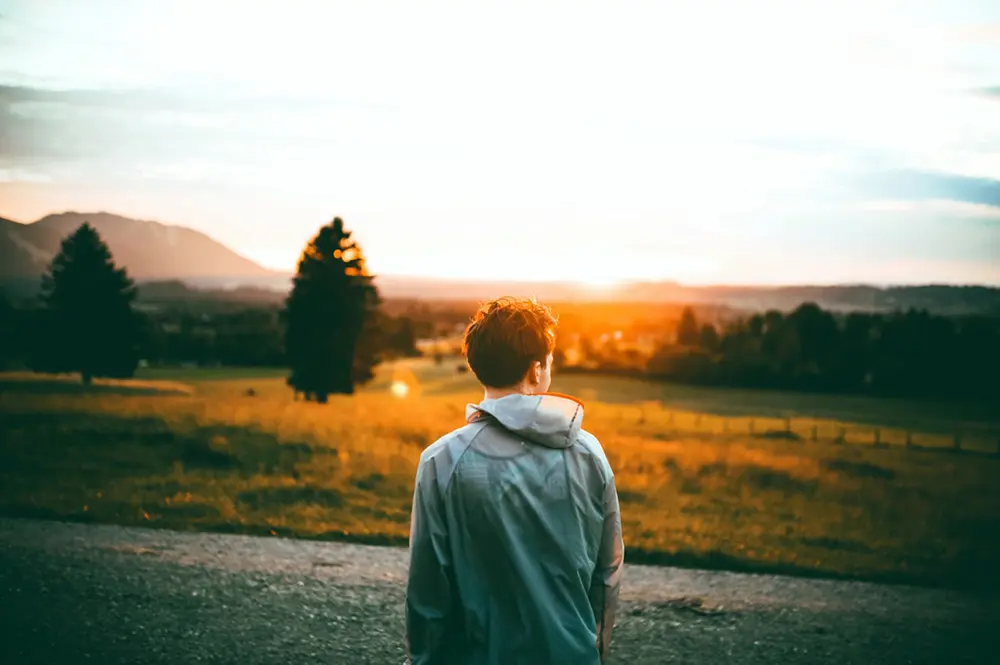
When photographing a scene that has a huge dynamic range, if the photographer exposes for the darker areas in the frame, chances are that the brightest area (highlights) in the scene will be overexposed with no details (blown out) and this is called clipping or highlight clipping. There are many ways in which this situation can be avoided to capture details in all areas of the frame. This article discusses 9 ways in which clipping the highlights can be avoided.
A Basic Introduction To Understanding Metering Modes
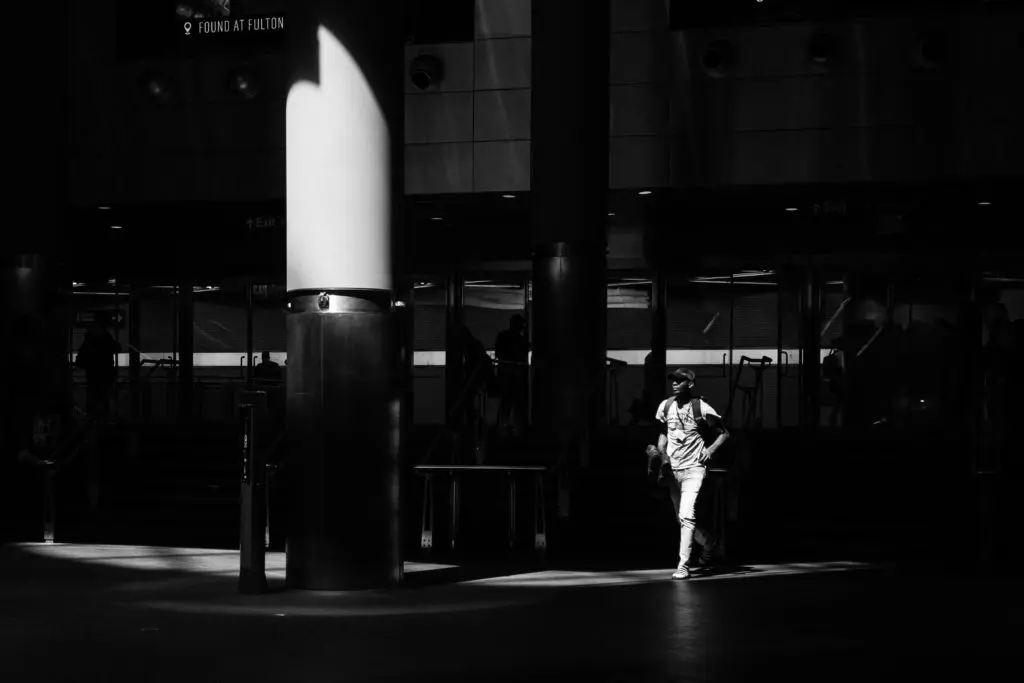
A lot of photographers do not pay much attention or give importance to metering modes in their cameras. Most of the time beginners do not care about this setting or they just skip it but metering modes are there for a reason and they are very helpful if used wisely depending on the scene. There are many metering modes and the terminologies may slightly vary between camera manufacturers but understanding metering modes is key to understanding exposure and capturing images with good dynamic range. Check out this article to understand the various metering modes and what they do.
The Advantages and Disadvantages of Shooting Raw
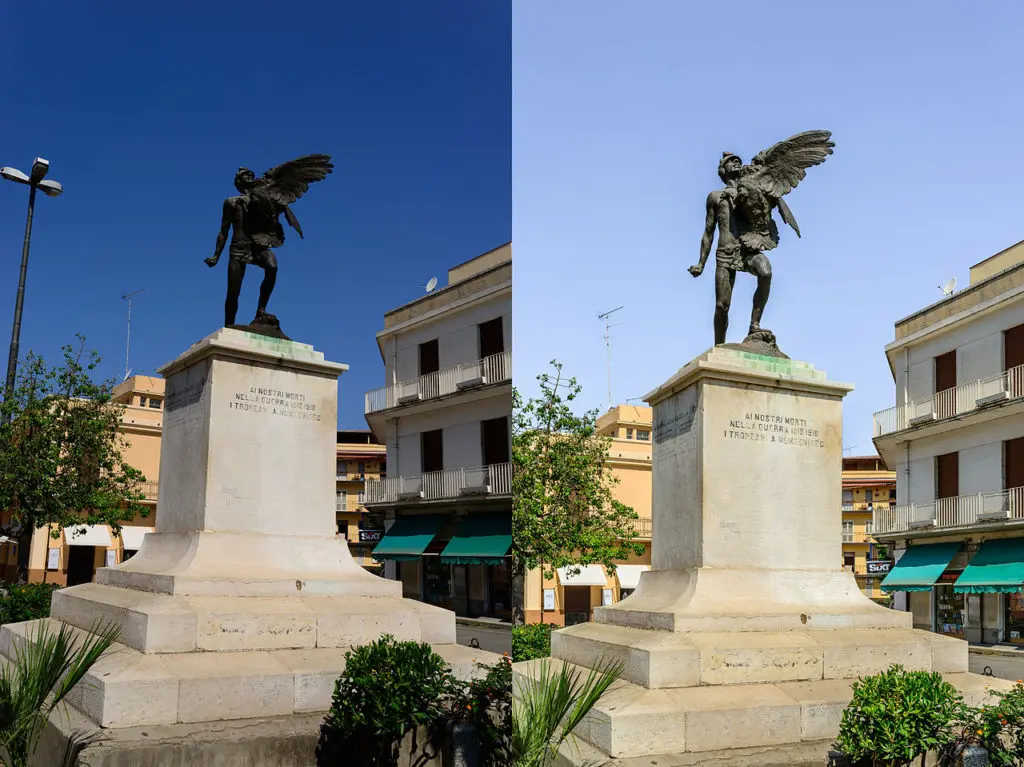
We all know that raw files capture all the information needed and are greatly useful in bringing out all the details and colours in a photo. It also means that raw files are useful in situations where the scene has a huge dynamic range and the camera is able to capture the details of this huge contrast in the raw file. Capturing raw files will help to retrieve information from bright highlights and dark shadow areas and this article discusses the advantages and disadvantages of shooting raw.
How To Boost Dynamic Range Using A Single RAW File
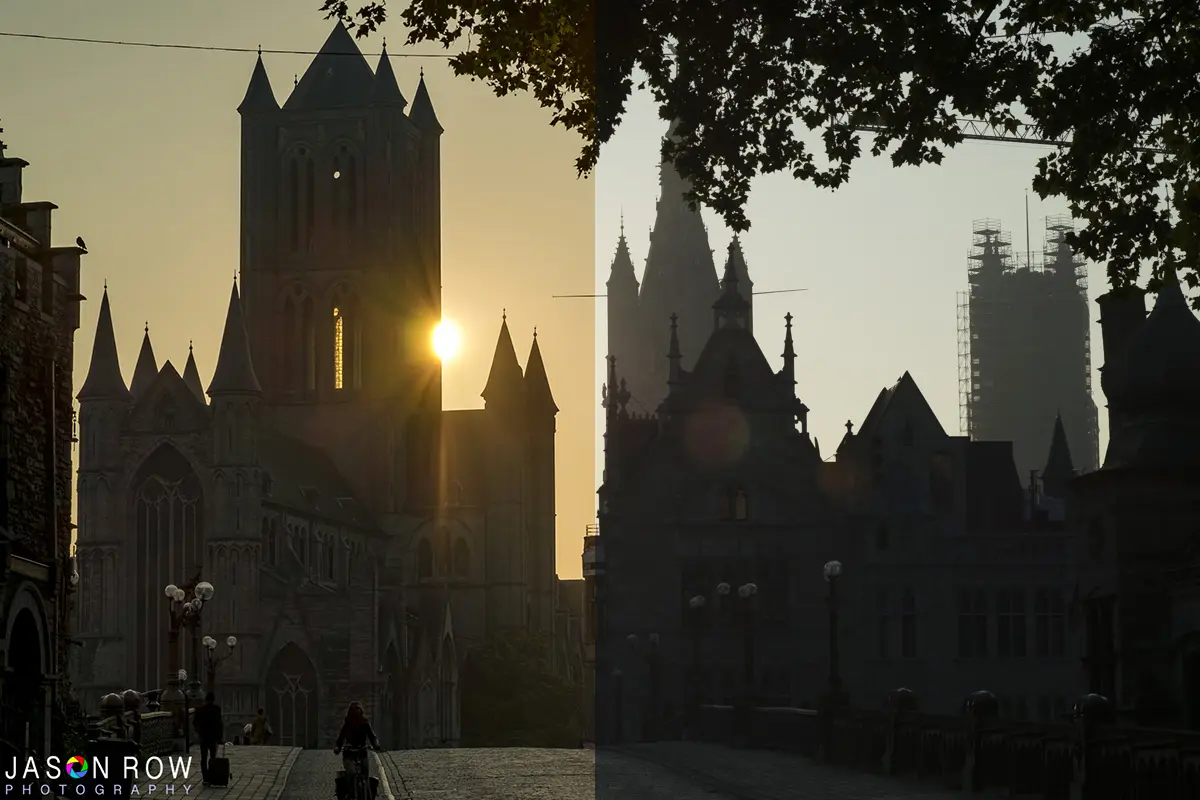
If you generally shoot in raw, then if there is an issue with the dynamic range in the image, you can boost it using that single raw file. It is more like the bracketed shots technique, but the over and underexposed shots are created from a single raw file and then merged when post processing. This is one of those advantages when shooting raw. This article explains in detail how you can boost the dynamic range in an image using a single raw file.
Exposure Compensation: An Easy Guide

Even though our camera's light meter can be almost accurate, there are times when the exposure can be less or more depending on the elements in the frame. Keeping an eye on the histogram, you can adjust for a positive or negative exposure compensation to get the exposure right. This way, enough details can be captured in all areas of the frame without clipping, thereby improving the dynamic range of the images. Check out this article to understand exposure compensation better.
Is Exposing To The Right Still Relevant?

Exposing to the right or ETTR is a technique that is similar to positive exposure compensation and this also helps to expand the dynamic range of the sensor. What you need to do is, adjust the exposure setting so that the histogram is shifted to the right, but without clipping the highlights. This helps to capture better high contrast scenes and will also reduce noise in shadow areas. Read more in the above article on how ETTR helps with better results!
HDR – Garish Throwback or Powerful Tool?

Creating HDR images is another way to capture the dynamic range in a scene. The technique is similar to bracketing shots and depending on the amount of contrast or the difference in contrast, the photographer will need to take five or seven exposures and then combine these images when post processing. Care needs to be taken to not over-process the images and make them look garish. This article is a discussion on how HDR can be a powerful tool in photography.
Further Reading
- Know About Dynamic Range To Improve Your Images – Useful Resources You Need
- What Your Camera’s Auto Bracketing Feature Can Do and How to Use It
- Histograms: The Key to Perfect Exposure
- Here Is Why I Exposure Bracket Every Shot
- How to Avoid Blown Highlights in Your Photographs Before It’s Too Late
- 6 Simple Ways To Achieve The Extended Dynamic Range In Your Photos